Partix Auto Partix Auto

2026 Top Suspension Systems How to Prevent Wear?

Time:2026-09-14 Author:Aria
0%

Suspension systems will face tougher demands in 2026 as vehicles become heavier, quieter, and more electronically controlled. A modern suspension is not only a spring and damper. It includes control arms, bushings, ball joints, mounts, sensors, and carefully calibrated tires. Small deterioration can create steering vibration, uneven tire wear, or a metallic knock over a rough road.

Industry evidence supports closer maintenance. The U.S. Federal Highway Administration’s annual highway condition data shows that pavement quality remains uneven across many routes. Repeated impacts from potholes and broken surfaces transfer energy directly into suspension joints. SAE International technical studies also explain how heat, contamination, corrosion, and cyclic loading accelerate elastomer and metal fatigue. Meanwhile, DVSA MOT testing data in the United Kingdom consistently identifies suspension and steering condition as important inspection concerns. These sources do not predict every failure. Vehicle age, load, climate, driving style, and repair quality still change the result.

So, how to prevent wear in suspension systems? Begin with measurable checks, not assumptions. Inspect bushings for cracking, listen for repeated knocks, and compare ride height across all four corners. Check tire pressure monthly, because underinflation increases impact loading and heat. Replace damaged dust boots before water reaches the joint. Use torque specifications, proper support stands, and manufacturer-approved components during repairs.

This guide examines the leading suspension designs for 2026 and their wear risks. It also compares inspection intervals, lubrication practices, alignment needs, and corrosion protection. Some recommendations remain debated. Real-world testing is still necessary. A quiet test drive does not prove a healthy suspension.
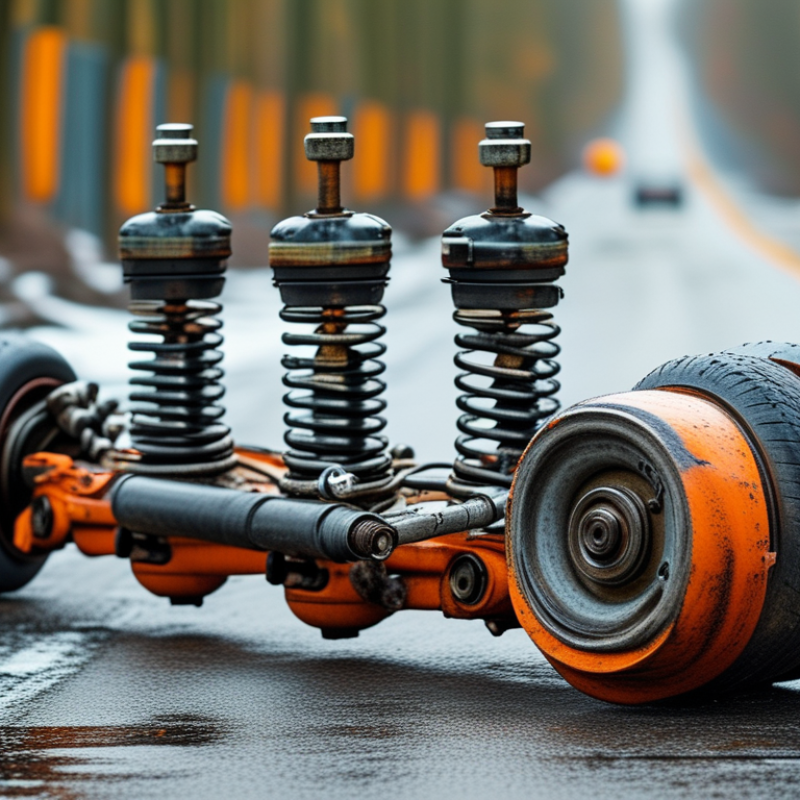
2026 Top Suspension Systems How to Prevent Wear?

Suspension System Basics and Key Wear-Prone Components

2026 Top Suspension Systems: How to Prevent Wear?

Suspension System Basics and Key Wear-Prone Components

A suspension system links the vehicle body, wheels, and road surface. Its springs support weight, while dampers control bouncing after bumps. Control arms guide wheel movement, and bushings reduce vibration between metal parts. Independent systems allow each wheel to react separately, while dependent systems connect wheel movement across an axle. Both designs can perform well when inspected correctly.

The most wear-prone parts are dampers, rubber bushings, ball joints, tie-rod ends, and spring seats. Look for leaking fluid around a damper, cracked rubber, uneven tire wear, or a loose steering response.

A dull knock over a pothole deserves attention. Small noises can become expensive faults. Do not ignore them.

Regular checks help prevent accelerated wear. Keep tires at the specified pressure, because underinflation increases suspension loading. Remove mud and salt from exposed components after severe driving conditions. During service, a technician should check ride height, fastener tightness, wheel alignment, and joint movement. A visual inspection alone may miss internal damage. That is an easy mistake.

In practical maintenance, replacing one worn bushing may not solve the problem if nearby joints are also deteriorated. Parts should be assessed as a working system, not separately. Use service information from reliable technical sources, and measure symptoms before replacing components. Suspension care is sometimes less certain than it appears. A careful second inspection can prevent the wrong repair.

How Driving Conditions Accelerate Suspension Wear

2026 Top Suspension Systems: How to Prevent Wear?
How Driving Conditions Accelerate Suspension Wear

Suspension parts rarely wear from mileage alone. Potholes deliver sharp impacts through springs, struts, control arms, and bushings. Rough gravel roads create repeated vibration and loosen already-tired joints. Heavy loads push components beyond their normal working range. Hard braking can also transfer extra stress to the front suspension.

Wet roads may hide deep potholes. Winter salt can encourage corrosion around mounting points and fasteners. Extreme heat dries rubber bushings, while freezing weather makes them less flexible. A vehicle that feels stable in town may behave differently on a broken rural road. Watch for uneven tire wear, steering pull, clunking sounds, or excessive bouncing. These signs deserve a professional inspection, not a guess.

Tips: Reduce speed before rough surfaces. Avoid carrying unnecessary weight. Check tire pressure regularly, because underinflation increases impact forces. After a severe pothole strike, inspect the wheels and suspension promptly. No routine is perfect. It is easy to overlook a small bushing crack until steering feels vague. A qualified technician should compare both sides, check ride height, and follow the vehicle manufacturer’s service guidance before replacing parts.

2026 Top Suspension Systems How to Prevent Wear? - How Driving Conditions Accelerate Suspension Wear
Driving Condition Suspension Parts Most Affected How Wear Accelerates Common Warning Signs Relative Wear Risk Recommended Prevention
Potholes and broken pavement Shock absorbers, struts, control arms, ball joints, wheel bearings, springs Sharp vertical impacts transfer high loads through the wheel and suspension assembly. Repeated impacts can damage seals, bend components, or loosen mounting hardware. Vehicle bouncing after a bump, steering pull, uneven tire wear, clunking noises, or a bent wheel High Reduce speed before the pothole, keep both hands on the wheel, avoid sudden braking while the wheel is inside the pothole, and inspect the suspension after a severe impact.
Speed bumps and road humps Struts, shock absorbers, springs, bump stops, top mounts Approaching too quickly creates compression and rebound forces that increase heat and stress in dampers and mounts. Excessive nose dive during braking, repeated bouncing, rattling, or fluid leakage from a damper Medium to High Slow down before the bump, cross it straight when possible, and avoid accelerating or braking sharply while passing over it.
Unpaved roads and gravel Shock absorbers, bushings, ball joints, tie-rod ends, dust boots Continuous vibration increases fatigue in rubber components and mounting points. Dust and stones can damage protective boots and contaminate joints. Loose steering feel, vibration, squeaks, cracked boots, or knocking over rough surfaces High Drive at a controlled speed, wash accumulated dirt from the underbody, and check boots, bushings, and fasteners during routine service.
Heavy vehicle loads or towing Coil springs, leaf springs, dampers, bushings, control arms, brakes Additional mass increases suspension compression, braking load, and heat generation. Overloading can cause premature spring sag and reduced ride height. Rear-end sag, bottoming out, longer stopping distance, uneven tire wear, or unstable handling High Stay within the vehicle's payload and towing limits, distribute cargo evenly, maintain correct tire pressure, and use the specified towing equipment.
Frequent short trips Rubber bushings, mounts, springs, dampers, fasteners Frequent low-speed starts over uneven surfaces create repeated suspension cycles. Moisture and corrosion may also remain on components when the vehicle is rarely driven for longer periods. Squeaks, stiffness, surface rust, or noise that is more noticeable during initial driving Medium Inspect suspension components regularly, keep drain paths clear, and occasionally drive the vehicle long enough to dry moisture from exposed areas.
Salted or corrosive roads Coil springs, fasteners, brake lines, control arms, subframes, shock bodies Road salt and moisture accelerate corrosion. Rust can weaken springs, seize adjusters, and reduce the structural strength of suspension components. Flaking metal, rust stains, seized fasteners, broken spring ends, or visible corrosion around mounting points High Rinse the underbody regularly during salt season, avoid directing high-pressure water at damaged seals, and repair corrosion before it affects structural parts.
Hot climates and high ambient temperatures Shock absorbers, rubber bushings, dust boots, spring seats Higher temperatures can increase damper fluid temperature and accelerate aging or hardening of rubber materials, especially under heavy use. Reduced damping, squeaking, cracked rubber, or inconsistent ride comfort Medium Use components with the correct specifications, inspect rubber parts for cracking, and allow heavily loaded vehicles to cool after demanding driving.
Aggressive cornering and hard braking Control arms, bushings, ball joints, tie rods, struts, wheel bearings High lateral and longitudinal forces increase load on suspension joints and bushings and can expose existing looseness or alignment problems. Steering vibration, uneven tire wear, wandering, clunks, or excessive body roll Medium to High Maintain smooth steering and braking inputs, keep tires properly inflated, and correct wheel-alignment issues promptly.
Incorrect tire pressure or mismatched tires Springs, dampers, bushings, wheel bearings, steering components Incorrect pressure changes the tire's ability to absorb impacts and can transfer more shock and vibration to the suspension. Uneven tread wear, harsh ride, steering pull, vibration, or increased road noise Medium Check cold tire pressure at least monthly and before long trips, use the vehicle's recommended pressure, and fit matching tires on the same axle.
Poor wheel alignment Control arms, tie rods, ball joints, wheel bearings, tires Incorrect toe, camber, or caster increases rolling resistance and places continuous uneven loads on suspension joints and tires. Vehicle pulling, off-center steering wheel, feathered tread, or rapid inside/outside tire wear Medium Check alignment after major impacts, suspension repairs, or persistent steering symptoms. Inspect tire wear as an early warning signal.
Water crossings and persistent standing water Wheel bearings, ball joints, bushings, fasteners, shock absorbers Water can remove lubricant from sealed areas, promote corrosion, and enter damaged dust boots or electrical wheel-speed sensors. Grinding, humming, rust, stiff joints, or changes in ABS and stability-control operation Medium Avoid deep water where possible, drive slowly through unavoidable standing water, and inspect bearings and boots after repeated exposure.
Low ground clearance or modified suspension Springs, dampers, bump stops, control arms, ball joints, tires Reduced travel makes bottoming out more likely. Incorrectly matched springs and dampers can increase impact loads and compromise suspension geometry. Frequent bottoming, tire contact with the body, harsh ride, or unstable handling High Use compatible components, preserve adequate suspension travel, verify alignment after changes, and avoid exceeding the clearance limits of the vehicle.
Normal mixed-road driving All suspension components gradually experience normal fatigue and aging Rubber hardens over time, dampers lose performance gradually, and joints accumulate wear even without obvious impact damage. Increasing body roll, longer braking nose dive, uneven tire wear, or new suspension noise Low to Medium Follow the vehicle maintenance schedule, inspect suspension during routine servicing, replace worn parts in axle pairs when appropriate, and perform a road test after repairs.
Maintenance note: Inspection intervals vary by vehicle design, mileage, age, climate, and driving conditions. Always follow the vehicle manufacturer's service schedule and replace damaged or leaking suspension components promptly.

Early Warning Signs of Suspension Damage

2026 Top Suspension Systems: How to Prevent Wear?
Early Warning Signs of Suspension Damage

Suspension damage often begins quietly. A slight pull, uneven tire wear, or a soft cornering feel may signal trouble. Listen for knocking over speed bumps. Notice repeated bouncing after a dip. These signs can indicate worn shocks, damaged springs, loose bushings, or failing ball joints. S&P Global Mobility reported that the average U.S. vehicle age reached 12.6 years in 2024. Older vehicles deserve closer suspension checks. The TÜV Report 2025 recorded significant defects in 20.6% of cars aged 12 to 13 years. Suspension and steering problems become more likely as mileage and road impact accumulate.

Do not wait for a dramatic failure. A steering wheel that vibrates during braking needs inspection. So does a car that sits lower on one side. Check for oily shock absorbers, cracked rubber mounts, and tire tread worn in patches. I have seen drivers blame alignment for every handling change. That assumption can waste time. Alignment may be the symptom, not the cause.

Tips: Photograph unusual tire wear before visiting a technician. Measure ride height on level ground. Replace suspension components in axle pairs when recommended. Ask for a written inspection report, including bushing play and spring condition. Recheck the vehicle after rough roads, potholes, or heavy loads. Small clues matter.

Step-by-Step Suspension Inspection and Maintenance

Preventing suspension wear starts with a repeatable inspection, not a quick glance. Park on level ground and let the vehicle cool. Check tire pressure before examining suspension parts. Uneven pressure can imitate alignment or spring problems. Look for cracked bushings, leaking dampers, bent links, and damaged protective boots. A small oil film matters. Confirm every fastener appears secure, but never tighten parts by guesswork.

Use a flashlight around control arms, mounts, ball joints, and stabilizer links. Compare the left and right sides. Excessive rust, torn rubber, or unusual movement needs professional assessment. With the vehicle safely lifted, a qualified technician can test wheel play and bearing condition. Follow the vehicle service manual for lifting points and torque values. I have found that rushing this step causes more mistakes than worn parts do.

A careful road test should follow the visual inspection. Drive slowly over a smooth surface, then listen for knocks, creaks, or repeated bouncing. Do not test on unsafe roads. Afterward, inspect for fresh leaks and record the mileage, symptoms, and replaced components. Recheck fasteners after the recommended distance. Even experienced inspectors miss small cracks. A second look helps. Maintenance intervals should reflect road quality, load, weather, and driving habits, rather than a calendar alone.

Choosing Modern Suspension Systems for Longer Service Life

2026 Top Suspension Systems How to Prevent Wear?

Choosing Modern Suspension Systems for Longer Service Life

Modern suspension systems should be selected for durability, not only ride comfort. Longer service life begins with correct vehicle fit, realistic load ratings, and proven material quality. In field inspections, worn bushings often show cracking around mounting points. Corrosion can also weaken springs before drivers notice serious handling changes. Sealed joints, protected wiring, and corrosion-resistant components help reduce these risks.

Choose systems with adaptive damping, accurate load control, and clear diagnostic feedback when conditions require them. These features can reduce shock loads on rough roads and support steadier tire contact. That assumption can fail. Electronic controls cannot repair poor installation or neglected alignment. Independent durability testing and accessible service procedures matter more than impressive specifications. Ask for test data, replacement intervals, and temperature limits before purchasing.

Small details matter. A technician should inspect fasteners, bushings, ride height, and uneven tire wear after installation. Keep records. Regular checks become more valuable when vehicles carry heavy loads or travel through salted winter roads. In my view, a slightly simpler system may last longer if local technicians can service it correctly. The best choice balances technology, repair access, operating conditions, and verified engineering evidence. Recheck the setup after the first 1,000 to 2,000 kilometers, because early noise or height changes can reveal installation problems.

2026 Top Suspension Systems: How to Prevent Wear?

Typical suspension component service life varies with road conditions, vehicle load, driving style, corrosion, and maintenance quality. Regular inspections, correct wheel alignment, clean suspension components, and timely replacement of worn bushings or dampers can significantly extend service life.

FAQS

What does a vehicle suspension system do?

It connects the body, wheels, and road. Springs carry weight, while dampers control bouncing.

Which suspension parts usually wear first?

Common wear points include dampers, bushings, ball joints, tie-rod ends, and spring seats. Rubber often cracks first.

What are early signs of suspension damage?

Watch for knocking, repeated bouncing, uneven tire wear, steering vibration, or a car sitting low on one side.

How can tire pressure affect suspension wear?

Underinflated tires increase suspension loading. Check pressure regularly, especially before carrying heavy loads.

Can alignment problems cause uneven tire wear?

Yes, but alignment may be only the symptom. Worn joints, bushings, or springs can create the real problem.

Is a visual inspection enough?

Not always. Hidden joint play or internal damper damage may require movement checks and measurements.

Should worn suspension components be replaced individually?

Not automatically. Nearby parts may also be deteriorated, so assess the complete working system.

How should modern suspension systems be selected?

Consider vehicle fit, load rating, service access, material quality, and local road conditions. Advanced controls are not magic.

What should be checked after suspension installation?

Inspect fasteners, ride height, bushings, alignment, and tire wear. Recheck the vehicle after 1,000 to 2,000 kilometers.

When should a technician inspect the suspension?

Arrange an inspection after pothole impacts, rough roads, heavy loads, or new handling changes. Small noises matter.

Conclusion

Understanding suspension systems is essential for maintaining vehicle safety, comfort, and handling. This guide explains the function of major components, including springs, dampers, control arms, bushings, and ball joints, while identifying the parts most vulnerable to wear. It also examines how rough roads, heavy loads, frequent braking, harsh weather, and aggressive driving can accelerate damage. Recognizing warning signs such as unusual noises, uneven tire wear, excessive bouncing, steering instability, or fluid leakage allows problems to be addressed before they become more serious.

The article provides a practical, step-by-step approach to suspension inspection and maintenance, including checking clearances, fasteners, component condition, tire patterns, and alignment. It also explains how to prevent wear in suspension systems through regular inspections, correct tire pressure, balanced loading, timely replacement of damaged parts, and smooth driving habits. Finally, it discusses how modern suspension designs and durable materials can improve service life when properly matched to driving conditions and maintained according to technical requirements.

Aria

Aria

Aria is a dedicated marketing professional with a deep passion for innovative strategies and a keen understanding of our company's product offerings. With a wealth of experience in the industry, Aria excels at crafting engaging content that highlights the unique features and benefits of our......