Partix Auto Partix Auto

2026 Best Ways to Reduce Vehicle Maintenance Costs?

Time:2026-11-17 Author:Amelia
0%

Vehicle ownership costs rarely arrive all at once. They build through neglected tire pressure, overdue oil changes, worn brake pads, and small leaks that go unnoticed. This guide explores how to reduce maintenance costs in vehicles without compromising safety or reliability. The aim is practical: spend on timely care, not guesswork.

Automotive educator ChrisFix often demonstrates the value of regular checks in his repair videos. His maintenance message can be summarized this way: “Catch small problems early, before they become expensive repairs.” That is a useful principle, not a promise that every breakdown can be prevented. A five-minute check of tire pressure, fluid levels, and dashboard warnings may reveal a problem while it is still manageable. Keep receipts and record dates, mileage, and work completed. Those notes can help identify recurring issues and support informed conversations with a mechanic.

The best plan depends on the vehicle, its age, driving conditions, and the manufacturer’s schedule. A car used for short trips, dusty roads, or frequent towing may need closer attention. Compare repair estimates, ask what a service includes, and use parts that meet the vehicle’s specifications. Cheap work can become expensive twice. Still, maintenance advice is not always easy to interpret, and some recommendations may be unnecessary for a particular car. Check the owner’s manual, request clear explanations, and pause before approving unfamiliar work. A little doubt can be useful. The goal is steady, documented care—not chasing every possible service or waiting until a warning light becomes a roadside problem.
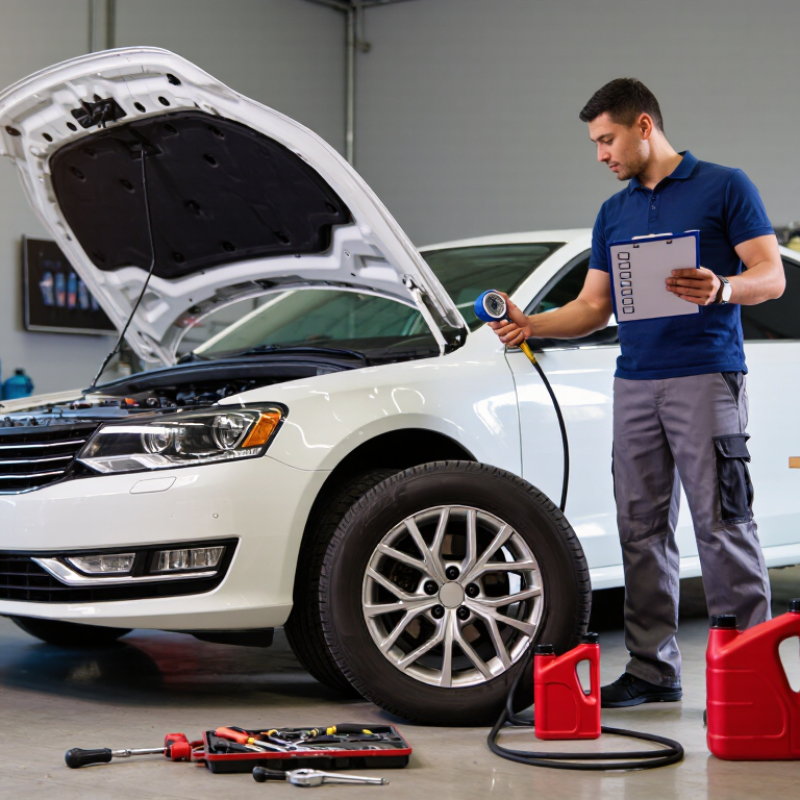
2026 Best Ways to Reduce Vehicle Maintenance Costs?

Understand the Main Factors Behind Vehicle Maintenance Costs in 2026

2026 maintenance costs are shaped by more than mileage. Vehicle age, design complexity, local labor rates, and parts availability all matter. Newer vehicles may need fewer routine repairs, yet sensors and specialized diagnostics can raise the price of a single visit. Labor is often the hidden multiplier. A repair that takes longer can cost more even when the part is modest.

Driving conditions change wear. Short trips, stop-and-go traffic, dusty roads, heavy loads, and extreme temperatures can shorten the life of batteries, brakes, tires, and fluids. For example, frequent braking in city traffic may wear pads sooner than steady highway driving. Maintenance intervals vary by vehicle, so the owner’s manual is a safer guide than a generic online schedule. That adds up.

Parts prices and shop capacity also shift from month to month. Delays can mean extra diagnostic time or rental expenses, while choosing the lowest estimate without checking its details can lead to repeat work. Ask for an itemized quote covering labor, parts, fluids, and inspection fees. Keep service records and note warning lights, unusual sounds, or leaks early. Costs vary, and a small issue may stay small, though not always.

Follow the Manufacturer’s Service Schedule to Prevent Costly Repairs

Following the Manufacturer’s Service Schedule to Prevent Costly Repairs

Your vehicle’s maintenance schedule is more than a list of suggestions. It reflects the maker’s testing for mileage, time, and driving conditions. Check the owner’s manual, since service intervals can differ between vehicles. Some schedules also change when you drive short trips, carry heavy loads, or spend time in dusty conditions. A missed oil or filter change may not cause immediate trouble, but neglected fluids and worn parts can lead to larger repairs. Small steps matter.

Keep a record of each service, including the date, mileage, and work completed. A notebook or phone calendar is enough. When a warning light appears, or you notice a new noise or leak, ask a qualified technician rather than guessing. Routine inspections can identify worn belts, low fluid levels, or uneven tire wear early. Still, more service is not always better; follow the vehicle’s guidance and ask for a clear reason before approving extra work. I’ve put off paperwork before, and then struggled to remember what was done.

Tips: Set reminders for both mileage and calendar intervals. Keep receipts in one folder. Check tire pressure monthly, using the figure in the manual or door placard. If your driving conditions change, review the schedule again. Don’t ignore unusual changes.

Perform Routine Checks and Simple Maintenance Tasks

A cold morning is the right time to check tire pressure; warm tires can give misleading readings. The U.S. Department of Energy says properly inflated tires can improve fuel economy by up to 3%. Use the pressure listed on the driver’s door placard, not the maximum printed on the tire. Check monthly, and look for nails, cracks, or uneven wear. Small checks matter.

AAA’s 2024 Your Driving Costs report estimates maintenance, repairs, and tires at about 10.13 cents per mile for a new vehicle. Regular checks cannot prevent every repair, but they may help catch small issues before they grow. Check engine oil and coolant only as directed in the owner’s manual, and never open a hot cooling system. Top up washer fluid when the reservoir runs low. Keep it simple.

Listen for new squeaks, watch for warning lights, and note changes in braking or steering. A dated phone reminder can help, though reminders are easy to ignore. A checklist is not a substitute for scheduled service, either. I still think people underestimate how quickly a small leak can become an expensive problem. Record fluid top-ups and tire-pressure readings; patterns can be more useful than one hurried inspection.

Compare Repair Shops, Parts, and Service Options

Compare repair estimates line by line, not by the final price alone. AAA’s 2024 Your Driving Costs report estimates annual maintenance, repair, and tire costs at $1,186 for a new vehicle. That is a planning average, not a promise about your car. Ask each shop to separate diagnostic fees, labor, parts, and taxes. A printed estimate makes differences easier to spot.

Parts matter. Ask whether the quote uses original-equipment, aftermarket, or remanufactured parts, and what warranty applies. Then compare the warranty and expected service life, not just the sticker price. The U.S. Bureau of Labor Statistics tracks motor-vehicle maintenance and repair in its Consumer Price Index, a useful reference for broader price changes. It cannot tell you which nearby shop offers the best value.

I have to admit, the lowest quote can be tempting. But vague descriptions like “front-end work” leave too much room for surprises. Request the specific repair, labor hours, and approval before extra work begins. Check whether a maintenance item is due now or merely suggested; your owner’s manual can help settle that question. A second opinion takes time. Sometimes, it prevents an unnecessary repair.

2026 Best Ways to Reduce Vehicle Maintenance Costs

Compare estimated costs for common services across DIY, independent repair shops, and dealerships.

These illustrative U.S. planning estimates are per service: an oil change, a pair of brake pads for one axle, and a replacement battery. Actual prices vary by vehicle, location, parts, and labor. Compare written quotes and confirm parts quality and warranty coverage before choosing a service option.

Track Maintenance Expenses and Adjust Your Vehicle Care Plan

Reducing vehicle maintenance costs starts with a clear record, not guesswork. Keep a simple log with the date, odometer reading, service performed, and total bill. Note parts and labor separately when the invoice allows it. A spreadsheet or notebook is enough. Add fuel or repair details only if they help reveal a useful pattern. Keep receipts together, even if the system is not perfect.

Review the log once a month. Compare spending across several months, and calculate costs per mile if you drive regularly. A set of repeated tire repairs may point to pressure or alignment issues. Frequent battery trouble could warrant a charging-system check. These clues are not diagnoses, but they help you ask a mechanic focused questions. Small details matter.

Adjust your care plan to your vehicle’s age, mileage, driving conditions, and manufacturer’s maintenance schedule. Short trips, heavy loads, dusty roads, and extreme temperatures can call for closer attention. Don’t stretch oil or brake service intervals just to lower a bill; delayed repairs can become more expensive or unsafe. Still, schedules are not always easy to follow. If you miss a receipt or service date, record what you remember and verify details at the next visit. The plan should fit the car you actually drive.

FAQS

What affects vehicle maintenance costs in 2026?

Vehicle age, design complexity, local labor rates, and parts availability all affect costs. A sensor check can make one visit expensive, even when the part is modest. Labor adds up.

Which driving conditions can increase wear?

Short trips, stop-and-go traffic, dusty roads, heavy loads, and extreme temperatures can wear parts faster. Frequent city braking may wear brake pads sooner than steady highway driving. Small differences matter.

How can I compare repair estimates?

Ask for an itemized quote showing diagnostic fees, labor, parts, fluids, and taxes. Compare each line, not only the final total. Get approval details in writing.

Is the lowest repair estimate always the best choice?

Not necessarily. Vague descriptions, such as “front-end work,” can hide what the shop plans to do. Ask for the specific repair, labor hours, and approval before extra work begins. A second opinion takes time.

What should I ask about replacement parts?

Ask whether the estimate uses original-equipment, aftermarket, or remanufactured parts. Compare the warranty and expected service life, not just the price. Cheaper may not mean better.

How can I track maintenance spending?

Record the date, odometer reading, service performed, and total bill in a notebook or spreadsheet. Separate parts and labor when possible. A notebook works.

Can maintenance records reveal vehicle problems?

Repeated tire repairs may point to pressure or alignment issues. Frequent battery trouble may warrant a charging-system check. These patterns are clues, not diagnoses.

How should I adjust my maintenance plan?

Follow the vehicle’s manual and consider its age, mileage, and driving conditions. Don’t delay oil or brake service just to lower a bill; repairs may grow costlier. Schedules can be hard to follow.

What if I have missing service records?

Write down what you remember, then verify details at your next visit. Records are rarely perfect. A small issue may stay small, though not always.

Conclusion

Reducing vehicle maintenance costs in 2026 starts with understanding what drives them. A vehicle’s age, mileage, driving conditions, and maintenance history can all affect how often it needs attention. Following the manufacturer’s service schedule helps catch wear early and prevent small issues from becoming expensive repairs. Regularly checking tire pressure, fluid levels, lights, and brakes can also help identify problems sooner, while simple upkeep keeps the vehicle in better condition.

To learn how to reduce maintenance costs in vehicles, compare estimates from repair shops and ask about suitable parts and service options before approving work. Keep a record of repairs, routine services, and related expenses so you can spot patterns and plan ahead. Review that information periodically and adjust your vehicle care plan to fit its condition and your driving habits.

Amelia

Amelia

Amelia is a seasoned marketing professional with a wealth of expertise in our company’s core offerings. With an unwavering passion for driving growth and innovation, she plays a pivotal role in shaping our marketing strategies and enhancing brand visibility. A key aspect of her responsibilities......