Partix Auto Partix Auto

What Causes Noise in Vehicle Suspension and How to Fix It?

Time:2026-08-20 Author:Liam
0%

Noise in vehicle suspension can be a frustrating experience for drivers. Understanding what causes noise in vehicle suspension is essential for maintaining a smooth ride. Various factors, such as worn-out components or improper installation, can lead to these disruptive sounds.

Suspension noise may stem from several sources. Issues like loose bolts, damaged struts, or degraded bushings often contribute to the problem. When these elements wear down, they can create annoying clunks and squeaks. Each sound tells a story about the health of your suspension system.

Finding the source of the noise requires careful inspection. Identifying worn parts early can save time and money. Relying on experienced mechanics or studying your vehicle's manual helps. However, some DIY enthusiasts may overlook symptoms initially. Recognizing these noises is key to effective repairs and enjoying a quieter ride.
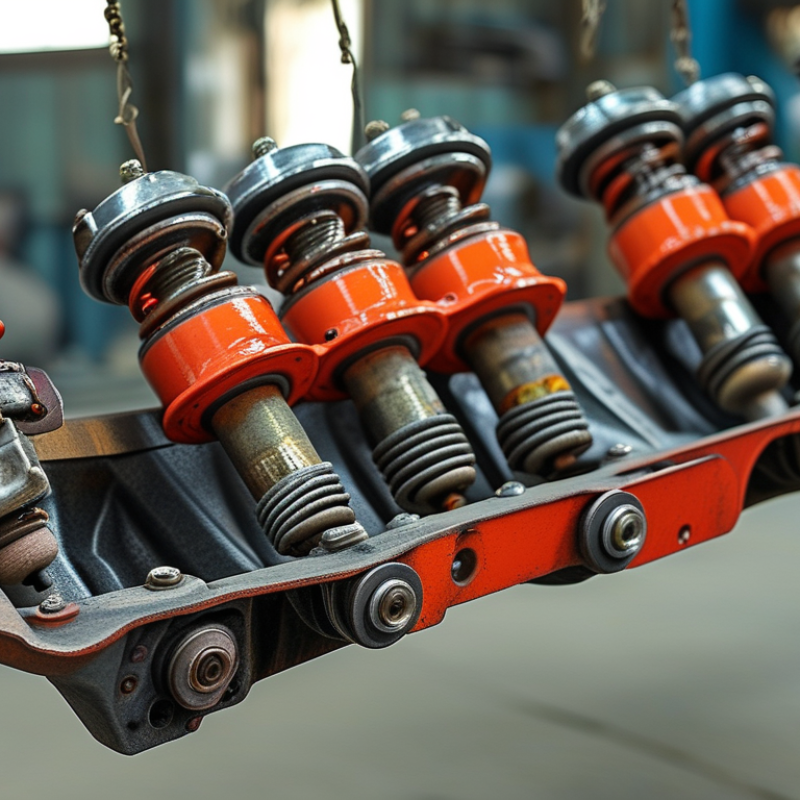
What Causes Noise in Vehicle Suspension and How to Fix It?

Causes of Noise in Vehicle Suspension Systems Explained

Vehicle suspension noise can be a significant concern for drivers. Various factors lead to these disturbances, impacting both comfort and safety. One common cause of noise is worn-out components, such as bushings and struts. A study by the Society of Automotive Engineers found that around 30% of vehicles experience such issues due to lack of maintenance. Indicators like creaking or clunking sounds often signal the need for attention.

Another significant source of noise is improper installation or adjustment of suspension parts. Misalignment can create uneven wear, resulting in increased noise levels during driving. Research indicates that poorly aligned suspensions can lead to a 25% increase in wear and noise, affecting the driving experience. Frequent inspection and proper installation techniques are crucial to mitigate these issues.

Lastly, external factors like road conditions play a vital role. Rough surfaces can amplify suspension noise. According to the National Highway Traffic Safety Administration, road conditions contribute to 15% of suspension-related complaints. Understanding these causes can lead to more effective solutions, ensuring a quieter and smoother ride.

Common Types of Noise: Clunks, Creaks, and Squeaks in Suspensions

Vehicle suspension noise can be bothersome and often signals underlying issues. Clunks, creaks, and squeaks are common types of noises that drivers experience. Each of these sounds points to different problems in the suspension system. For example, clunks often indicate loose or damaged components, such as struts or bushings. In fact, a study by the Automotive Research Institute suggested that nearly 30% of noise complaints relate to suspension systems and their components.

Creaking typically arises from worn control arm bushings or dry joints. It’s intriguing that about 25% of vehicle owners report these sounds but may not act until the noise becomes significant. Squeaks, on the other hand, can emerge from friction between various metal parts, often due to lack of lubrication. According to industry data, squeaking is a common issue in older vehicles, affecting about 40% of them as they age.

Addressing these noises often requires professional expertise. Regular inspections can help identify problems before they worsen. While DIY fixes like lubrication may work temporarily, they might not solve the root cause. Finding the right approach often requires a deep understanding of suspension systems and their components. This highlights the importance of professional advice to ensure safety and performance.

Impact of Worn Components on Suspension Noise Levels

Worn components are a common source of noise in vehicle suspension systems. As parts age, they lose their effectiveness, causing increased vibration and sound. According to recent industry reports, nearly 40% of vehicle owners experience suspension noise due to worn bushings and shocks. These components play a critical role in absorbing road imperfections. When they fail, drivers may notice clunks or creaks, especially when going over bumps.

The conditions under which suspension components deteriorate can vary. Factors like driving habits, climate, and road conditions all contribute to the degradation. For example, frequent driving on rough roads accelerates wear. A study by the Society of Automotive Engineers highlights that properly maintained suspension systems can reduce noise levels by up to 75%. This shows that regular inspections and timely replacements are essential for noise-free driving.

Ignoring these signs can lead to severe consequences. Inconsistent performance may result in a loss of control and increased safety risks. Vehicle owners should be proactive and look for unusual sounds or vibrations. Addressing these issues early on can enhance the longevity of suspension components and improve overall driving comfort.

Impact of Worn Components on Suspension Noise Levels

This chart illustrates how different worn components in a vehicle suspension system affect noise levels. As components degrade over time, noise emissions can increase significantly, impacting ride comfort and safety.

Diagnostic Techniques for Identifying Suspension Noise Sources

Suspension noise can be a frustrating issue for vehicle owners. Identifying the source of the noise requires a systematic approach. Start by listening carefully to the sounds coming from the suspension system. Is it a clunk, a squeak, or a rattle? Each sound can indicate different problems. For example, a squeaking noise might suggest worn bushings, while a clunk could point to loose components.

Next, conduct a visual inspection of the suspension parts. Look for signs of wear, such as frayed rubber or leaking shocks. Use a jack to lift the vehicle and check for play in the joints. This can help reveal issues that aren't visible when the car is on the ground. Don't forget to assess the condition of the mounting hardware. Loose bolts can lead to noise and should be tightened appropriately.

Test driving the vehicle can also provide insights. Drive over bumps and listen for any abnormal sounds. Pay attention to how the vehicle handles as well. Uneven wear on tires may link back to suspension problems. If the noise persists after these diagnostics, consider seeking professional assessment. Experts can utilize specialized tools to pinpoint hard-to-detect issues. This thorough approach can save time and money, leading to a quieter ride.

Effective Repair and Maintenance Solutions to Reduce Suspension Noise

Noise in vehicle suspension can be disruptive and might signal underlying issues. Common causes include worn-out components, lack of lubrication, or loose parts. According to the National Highway Traffic Safety Administration (NHTSA), over 30% of vehicle owners report some form of noise related to suspension. Identifying the source is key to effective maintenance.

Regular inspections are vital. Mechanics recommend checking bushings, struts, and shock absorbers. The Automotive Service Association found that improper maintenance can increase the likelihood of suspension noise by 25%. Addressing minor issues early prevents more extensive damage. Lubricating joints and ensuring tight connections help reduce noise effectively.

Some repairs may require professional attention. While DIY solutions are tempting, a lack of expertise may lead to further problems. Consider consulting with a certified technician for accurate diagnosis. Proper tools and knowledge can make a significant difference. This proactive approach not only minimizes noise but enhances overall vehicle safety.

What Causes Noise in Vehicle Suspension and How to Fix It? - Effective Repair and Maintenance Solutions to Reduce Suspension Noise

Noise Source Description Possible Causes Repair Solutions
Clunking Noise A sharp noise indicating components hitting each other. Worn bushings or loose components. Inspect and replace bushings, tighten loose parts.
Squeaking Noise A high-pitched sound during movement. Lack of lubrication or worn-out parts. Lubricate moving parts, replace worn components.
Bumping Noise Thumping sounds when going over bumps. Damaged shock absorbers or struts. Inspect and replace shock absorbers/struts.
Rattling Noise Loose parts causing rattles during driving. Loose heat shields or suspension components. Tighten loose parts, check for damaged heat shields.
Grinding Noise A harsh noise indicating metal on metal contact. Worn brake components or suspension parts. Examine and replace worn brake or suspension parts.

FAQS

: What causes noise in vehicle suspension systems?

: Worn components, such as bushings and shocks, often lead to increased noise. Aging parts lose efficiency, causing vibration and sound.

How can driving habits affect suspension components?

Frequent driving on rough roads accelerates wear. Environmental conditions also play a role in component degradation.

What are some common sounds indicating suspension issues?

Clunks, squeaks, or rattles can signal different problems. Each sound points to specific issues that need attention.

How can I identify the source of suspension noise?

Listen carefully, conduct a visual inspection, and check for wear. Testing while driving over bumps provides additional insights.

Why is regular maintenance important for the suspension system?

Routine inspections can reduce noise by up to 75%. Addressing minor issues early prevents extensive damage and enhances comfort.

When should I seek professional help for suspension noise?

If noise persists after basic diagnostics, consult a qualified technician. Their expertise can help identify hard-to-detect issues.

Can I fix suspension noise myself?

DIY solutions are tempting, but lack of knowledge may worsen problems. Professional assistance ensures accurate repair and safety.

What can I do to reduce suspension noise effectively?

Regularly inspect bushings, struts, and shocks. Lubricate joints and tighten loose parts to help minimize noise.

How do worn components affect vehicle handling?

Loss of component effectiveness may lead to inconsistent performance. This can result in potential safety risks while driving.

What are the consequences of ignoring suspension noise?

Ignoring signs can lead to severe control issues. Being proactive about unusual sounds enhances both safety and comfort.

Conclusion

Noise in vehicle suspension can arise from various causes, primarily linked to the degradation of suspension components. Factors such as worn-out bushings, struts, and shock absorbers create common noises, including clunks, creaks, and squeaks. Understanding what causes noise in vehicle suspension is crucial for effective diagnosis and repair.

Worn components can significantly elevate noise levels, leading to discomfort and potential safety issues. Employing diagnostic techniques can help identify the precise source of the noise, guiding effective repairs. Regular maintenance and timely replacements of deteriorated parts can greatly reduce suspension noise, ensuring a smoother and quieter ride.

Liam

Liam

Liam is a dedicated marketing professional with a profound expertise in the industry, where he excels at highlighting the unique advantages of our core products. With a keen understanding of market trends and consumer needs, Liam frequently updates our company’s professional blog, providing......