Partix Auto Partix Auto

What Causes Excessive Engine Vibration and How to Fix It?

Time:2026-07-21 Author:Oliver
0%

Excessive engine vibration can be a troubling issue for car owners. Understanding what causes excessive engine vibration is crucial for effective diagnosis and repair. Vibrations can lead to discomfort during driving and may indicate underlying problems that need attention.

Common culprits include worn engine mounts, imbalanced components, and misfiring cylinders. Each of these factors contributes to an unstable engine operation, resulting in noticeable vibrations. Inspecting the engine thoroughly can uncover these issues before they escalate.

Addressing these problems swiftly is essential to maintain vehicle safety and efficiency. A comprehensive understanding of vibration causes helps in making informed repair decisions. Keep in mind that overlooking engine vibrations can lead to more significant malfunctions, affecting both performance and reliability. Addressing vibrations involves expertise, experience, and sometimes a bit of trial and error to find the right solution. Balancing technical knowledge with practical experience plays a key role in resolving these issues effectively.
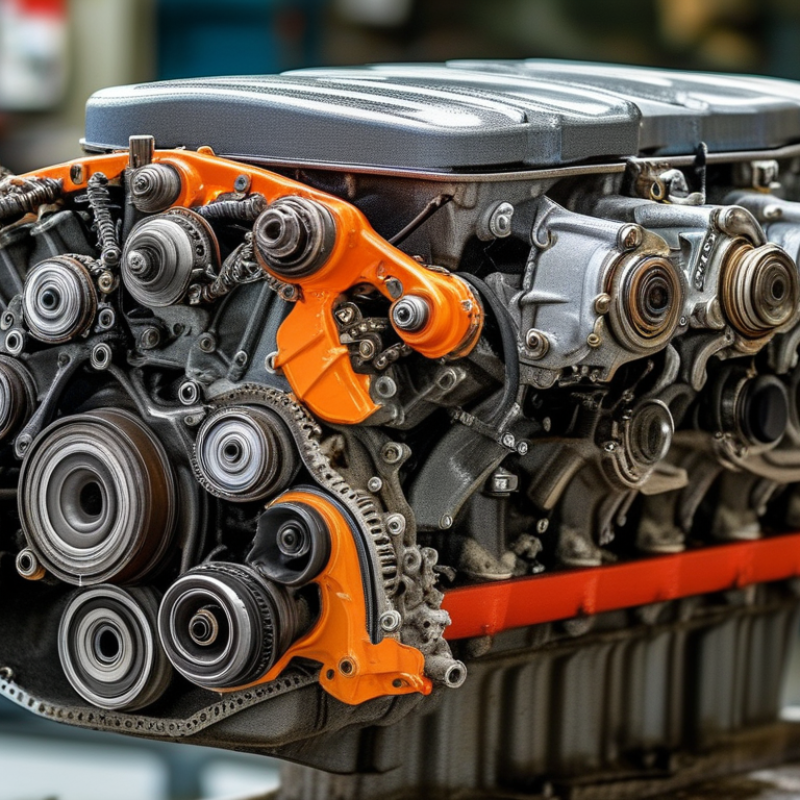
What Causes Excessive Engine Vibration and How to Fix It?

Common Causes of Excessive Engine Vibration in Vehicles

Excessive engine vibration can be a significant issue for vehicle owners. Several factors contribute to this problem. Common causes include worn-out engine mounts, unbalanced tires, or issues with the driveshaft. Any of these can lead to discomfort while driving and potential damage over time.

Worn engine mounts often lead to vibrations. If they fail, the engine can shift, causing excessive movement. It's essential to inspect these mounts regularly. Unbalanced tires may also create vibrations that travel throughout the vehicle. Ensure your tires are properly balanced and rotated.

Tips: Regular maintenance can help prevent vibration issues. Check your engine mounts during oil changes. Look for cracks or wear. If there's a noticeable shake, get your tires balanced promptly. Don't ignore small vibrations; they may signal underlying problems. Frequent checks can reveal more than you expect. Small details matter in engine health.

Excessive Engine Vibration Causes and Frequency

How Engine Mounts Affect Vibration Levels and Their Importance

Engine mounts play a crucial role in how a vehicle handles engine vibration. These mounts are designed to secure the engine to the chassis and absorb vibrations produced during operation. When they wear out or fail, excessive vibrations can travel through the vehicle, leading to an uncomfortable ride and potential damage to other components. Monitoring engine mounts is vital for maintaining a smooth driving experience.

A common sign of failing engine mounts is increased vibration noticeable through the steering wheel or seats. If you feel these vibrations, it may indicate the mounts are not effectively dampening the engine's movements. Additionally, you might hear unusual noises, like clunks or thuds, which can further point to mount issues. Regular inspections can help prevent severe problems and costly repairs.

Addressing stale, worn-out mounts requires a keen eye. Many vehicle owners overlook this aspect, leading to compounded issues. Replacing damaged engine mounts can significantly improve vibration levels and enhance overall vehicle performance. It’s essential to approach this maintenance task proactively, ensuring a smoother and more reliable ride.

Diagnosing Engine Vibration: Key Symptoms to Look For

Excessive engine vibration can be a serious issue for vehicle owners. Identifying the key symptoms is essential for effective diagnosis. Drivers may notice unusual shaking from the steering wheel or seat. A rough idle can also be a sign, causing discomfort during stops. Pay attention to whether vibrations increase with acceleration or decrease at steady speeds.

Loose or damaged engine mounts are common culprits. These supports reduce engine movement and vibration. When they wear out, the engine can move excessively, leading to discomfort. Additionally, unbalanced tires can amplify vibrations, affecting ride quality. It's wise to check tire pressure and alignment regularly.

Tip: Regular maintenance can help prevent engine vibrations. Periodic inspections will catch issues early. Replace worn parts before they worsen. Monitor unusual sounds or vibrations immediately. Such proactive steps foster vehicle longevity.

Effective Solutions to Reduce Engine Vibration in Your Car

Excessive engine vibration can be a frustrating issue for many car owners. Identifying the underlying cause is essential for an effective fix. In many cases, worn engine mounts, unbalanced wheels, or misfiring cylinders lead to increased vibrations. When these components fail, they disrupt the harmony of engine operation. Addressing these issues promptly can restore a smoother ride.

Tips: Regular maintenance is crucial. Check your engine mounts every 30,000 miles. Worn mounts can transfer vibrations to the frame. Be proactive; replace them early.

Additionally, ensure your tires are balanced and aligned. Misalignment causes uneven wear, affecting overall stability. This can result in irritating vibration during drives. Invest time in periodic tire checks and maintain proper air pressure.

Consider professional diagnostics if vibrations persist. A certified mechanic can pinpoint issues you might overlook. Their expertise can save you from costly repairs. Remember, taking action today prevents greater problems in the future. Don’t let small vibrations escalate into major headaches.

What Causes Excessive Engine Vibration and How to Fix It? - Effective Solutions to Reduce Engine Vibration in Your Car

Cause of Engine Vibration Symptoms Potential Solutions Maintenance Tips
Worn Engine Mounts Excessive shaking, noise when idling Replace engine mounts Regular inspections at intervals to identify wear
Imbalance in Engine Components Vibration felt in the cabin Rebalance engine components Ensure proper installation of parts during service
Faulty Spark Plugs Rough idling, reduced engine power Replace spark plugs Check and replace spark plugs at recommended intervals
Unbalanced Tires Vibration during driving Balance tires, check alignment Regular tire rotation and balancing
Worn Drive Belts Squeaking noise, vibrations at certain speeds Replace worn drive belts Inspect belts for wear regularly

Preventive Maintenance Tips to Minimize Engine Vibration Issues

Excessive engine vibration can lead to various issues. Regular preventive maintenance is crucial to minimize these effects. According to the Automotive Engineering International journal, around 30% of engine vibrations result from improper maintenance.

Checking engine mounts regularly is essential. Worn or damaged mounts can amplify vibrations. A study by the Society of Automotive Engineers shows that replacing mounts can reduce vibration levels by up to 50%. Additionally, keep the engine balanced. Uneven wear on components can lead to vibration. Inspections should focus on belts, pulleys, and exhaust systems.

Monitoring fluid levels is another preventive measure. Low oil or coolant can cause overheating, leading to abnormal vibrations. A report from the International Journal of Automotive Technology states that maintaining optimal fluid levels can increase engine life by 25%. Frequent inspections can help catch early signs of imbalance or wear. Taking these steps can significantly reduce excessive vibration and improve engine performance.

FAQS

: What causes excessive engine vibration?

: Worn engine mounts, unbalanced wheels, or misfiring cylinders often lead to increased vibrations.

How often should I check engine mounts?

Check your engine mounts every 30,000 miles to prevent excessive vibrations.

What happens if the engine mounts are worn?

Worn mounts can transfer vibrations to the frame, causing a rough ride.

Why is tire balancing important?

Balanced tires prevent uneven wear and help maintain stability during drives.

When should I consider professional help?

Seek a certified mechanic if vibrations persist despite basic maintenance.

How can regular maintenance improve engine performance?

Frequent inspections can catch early signs of issues, improving overall performance.

What role do fluid levels play in engine vibration?

Low oil or coolant can lead to overheating, causing abnormal vibrations.

Can replacing engine mounts really reduce vibrations?

Yes, replacing worn mounts can reduce vibration levels by up to 50%.

What components should I inspect regularly?

Focus on belts, pulleys, exhaust systems, and fluid levels during inspections.

What happens if I ignore small vibrations?

Ignoring small vibrations can lead to major headaches and costly repairs later.

Conclusion

Excessive engine vibration can be a significant issue for vehicle owners, and understanding what causes excessive engine vibration is crucial for effective repair. Common causes include worn engine mounts, unbalanced components, and issues with the drivetrain. Engine mounts play a vital role in absorbing vibrations, and their deterioration can lead to increased noise and unwanted shaking within the cabin.

To diagnose engine vibration, it's important to observe key symptoms like abnormal noises, shaking at idle, or unusual performance issues. Effective solutions often involve replacing damaged mounts, balancing engine components, or ensuring proper alignment. Additionally, regular preventive maintenance can help minimize engine vibration concerns, ensuring a smoother and more comfortable driving experience.

Oliver

Oliver

Oliver is a seasoned marketing professional with a wealth of expertise in driving brand awareness and engagement. With a deep understanding of our company's product offerings, he consistently delivers high-quality content that enriches our professional blog. His insights not only shed light on......