Rubber components are integral in various industries, providing flexibility and durability. However, understanding what causes failure in rubber components is crucial for any business that relies on them. Failures can lead to costly downtime and operational inefficiencies. Environmental factors, stress, and improper material selection often contribute to these issues.
In many cases, poor maintenance practices exacerbate the problems. Regular inspections can help identify wear and tear early, preventing catastrophic failures. Manufacturers must consider the specific application and environment when designing rubber parts. Testing and quality control are also vital to ensure long-term performance.
Ultimately, preventing failure requires a proactive approach. Companies must educate their teams on potential risk factors related to rubber components. By fostering a deeper understanding of what causes failure in rubber components, businesses can avoid unexpected challenges and maintain smooth operations.
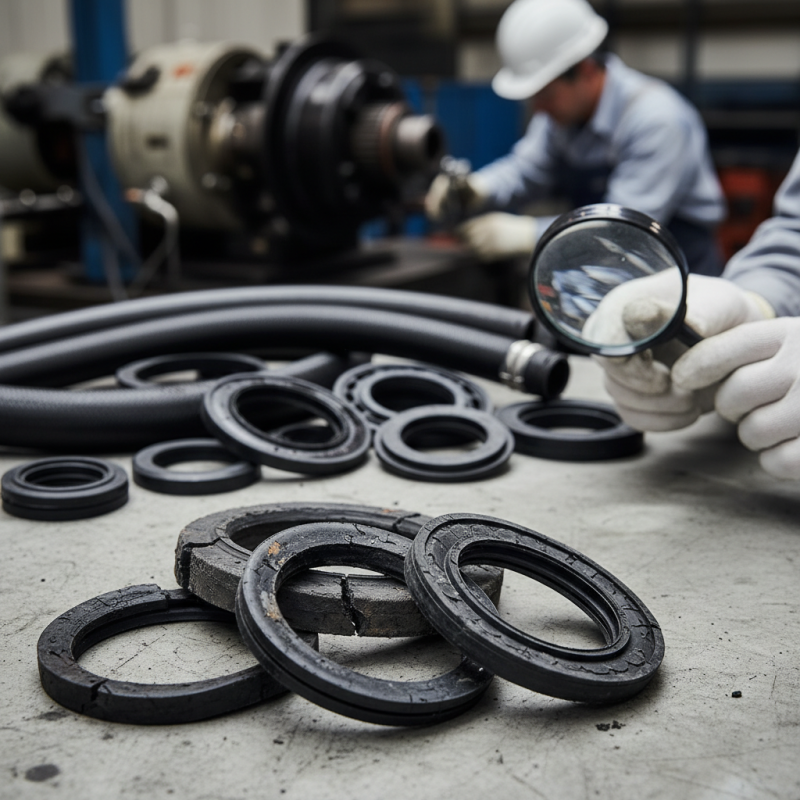
Understanding Rubber Material Properties and Their Role in Failure
Rubber components are widely used in various applications due to their flexibility and durability. However, the properties of rubber can lead to failures if not properly understood. Factors including temperature, humidity, and exposure to chemicals play a critical role. For instance, high temperatures can cause rubber to harden and lose its elasticity. Conversely, extreme cold may make it brittle. Each type of rubber has unique characteristics that must be considered during selection and application.
Understanding the molecular structure of rubber is essential. The cross-linking of polymers determines its strength and resistance to wear. Variations in this structure can lead to failure over time. It is important to monitor these properties regularly. Poor maintenance may exacerbate issues. Regular inspections and appropriate storage can prolong the life of rubber components. Yet, many overlook this essential practice. Identifying the right type of rubber for specific conditions can prevent costly failures in the long run.
Causes of Rubber Component Failure
Common Causes of Rubber Component Failures in Various Applications
Rubber components are crucial in various industries. They often fail due to environmental conditions and inadequate material selection. According to industry reports, about 30% of rubber failures stem from ozone exposure. This can lead to cracking, which severely compromises component integrity.
Heat can also accelerate degradation. Continuous exposure to elevated temperatures can shorten service life significantly. In fact, studies indicate that for every 10°C increase in temperature, the lifespan of rubber can decrease by 50%.
Poor chemical compatibility is another common failure point. Rubber materials might react poorly when exposed to certain fluids. A recent survey revealed that nearly 25% of failures are linked to improper chemical interaction. For example, hydrocarbons can swell rubber, leading to leaks or rupture. Additionally, mechanical stress can be a silent killer. Frequent bending or stretching can create micro-cracks in rubber. Over time, these small defects can lead to significant failure.
Regular inspection and preventive maintenance are essential. This can help identify signs of wear before catastrophic failures occur. Implementing proper storage practices is also vital. Rubber should be stored away from direct sunlight and extreme temperatures. Without these precautions, the risk of failure increases drastically. Failure is not just a technical concern; it can result in costly downtime. Hence, being proactive is crucial for reliability and safety.
Signs and Symptoms Indicating Potential Failures in Rubber Parts
When it comes to rubber components, recognizing the signs of potential failures is crucial. Common symptoms include visible cracks, discoloration, or brittleness. These issues often stem from environmental factors like UV exposure or extreme temperatures. Regular inspections can help catch these problems early.
Another indicator is loss of flexibility. Rubber should maintain its elasticity; any stiffness may signal degradation. Additionally, unusual odors can arise from chemical breakdown. If you notice these signs, it might indicate underlying issues that require attention. It's important to keep rubber parts clean and stored in suitable conditions.
Sometimes, failure can manifest in less obvious ways. Squeaking noises during use or visible wear patterns can suggest improper alignment or excessive load. Addressing these concerns promptly can prevent serious failures down the line. Regular monitoring and proactive maintenance practices are essential.
What Causes Rubber Components to Fail and How to Prevent It? - Signs and Symptoms Indicating Potential Failures in Rubber Parts
| Failure Cause |
Signs and Symptoms |
Prevention Methods |
| Ozone Degradation |
Cracking and surface damage. |
Use ozone-resistant compounds and store away from sunlight. |
| Chemical Exposure |
Softening or swelling of rubber. |
Select compatible materials and perform regular inspections. |
| Heat Aging |
Brittleness and loss of elasticity. |
Keep rubber components in controlled temperature environments. |
| Mechanical Stress |
Tears or deformities in the rubber part. |
Design parts to minimize stress concentrations and regularly inspect for wear. |
| Environmental Conditions |
Uneven wear and discoloration. |
Use protective coatings and select materials suited for specific environments. |
Preventative Maintenance Strategies for Extending Rubber Component Lifespan
Rubber components play a vital role in various applications. However, they face wear and degradation over time.
Preventative maintenance is crucial for extending their lifespan.
Regular inspection can identify early signs of deterioration.
Monitoring the environment is essential. High temperatures, chemicals, and UV exposure can all accelerate rubber breakdown.
Tip: Establish a routine check-up schedule. Inspect rubber components for any visible cracks or signs of wear.
This proactive approach can help spot issues before they escalate.
Proper storage is another key aspect. Keep rubber parts in a cool, dry place to avoid unnecessary stress.
Avoid placing heavy objects on top of rubber items. This can lead to deformation and eventual failure.
Tip: Use suitable containers that allow for air circulation. This can help maintain their physical integrity over time.
Incorporating appropriate lubrication can also enhance performance. However, be cautious with lubricant types, as some can degrade rubber.
Understanding compatibility is essential before applying any substance.
Regular evaluation of rubber equipment leads to better overall performance and longer service life.
Best Practices for Selecting and Storing Rubber Materials Properly
Selecting and storing rubber components properly is essential for their longevity and performance. The Rubber Manufacturers Association reports that improper storage can reduce rubber life by up to 50%. A well-lit, humid environment can degrade rubber faster than expected. It is crucial to keep rubber away from direct sunlight and extreme temperatures. This helps maintain its elasticity and resist cracking.
Tips: Store rubber materials in clean, dry areas. Use protective covers to shield them from dust and UV rays. Always check for signs of deterioration before use, as this can prevent potential failures.
Additionally, consider the type of rubber used. Different rubbers have varied chemical resistance and operating temperatures. For instance, NR (natural rubber) is prone to ozone damage. In contrast, SBR (styrene-butadiene rubber) offers better ozone resistance. Be mindful of the intended application when selecting materials.
Tips: Review technical data sheets for each rubber type. They provide vital information on storage conditions and limitations. Understanding this can save costs and improve safety in the long run.
FAQS
: Regular inspection helps identify early signs of wear and tear. A proactive approach is essential.
High temperatures, chemicals, and UV exposure can accelerate rubber breakdown. Monitor these conditions closely.
Keep rubber in a cool, dry place. Avoid placing heavy objects on them to prevent deformation.
Yes, but be cautious. Some lubricants can degrade rubber. Always check compatibility first.
Improper storage can reduce rubber life by up to 50%. A humid environment accelerates degradation.
Always check for signs of deterioration. This can help prevent failures during use.
Natural rubber (NR) is ozone-sensitive, while styrene-butadiene rubber (SBR) is more resistant to ozone.
It's crucial. Different types have varied chemical resistance and temperature limits affecting performance.
Yes, regular evaluations lead to better performance and longer service life.
Absolutely. They provide vital information on storage conditions and limitations for each rubber type.
Conclusion
The article "What Causes Rubber Components to Fail and How to Prevent It?" explores the critical factors leading to failures in rubber components. It highlights the importance of understanding rubber material properties, which significantly influence how and why failures occur across various applications. Common causes identified include environmental factors, chemical exposure, and mechanical stress, which can lead to degradation and eventual component failure.
Additionally, the article details signs and symptoms indicating potential failures, allowing for early detection. To mitigate these issues, effective preventative maintenance strategies are emphasized, including routine inspections and proper storage techniques. By following best practices in selecting and handling rubber materials, users can significantly extend the lifespan of their rubber components and minimize what causes failure in rubber components.
 Partix Auto
