 Partix Auto
China’s varied driving conditions make vehicle performance a practical topic, not just a question of speed. Busy city streets, mountain roads, and long highway journeys place different demands on a car. This guide explores how to optimize vehicle performance through careful maintenance, sensible upgrades, and informed driving choices. The goal is a vehicle that responds predictably, uses fuel efficiently, and remains comfortable and dependable.
Lotus founder and engineer Colin Chapman is often credited with the line, “Adding power makes you faster on the straights. Subtracting weight makes you faster everywhere.” It captures an important principle: performance depends on balance. Clean filters, correct tire pressure, fresh fluids, and well-maintained brakes can matter more in daily use than a dramatic modification. Small changes matter. Any adjustment should suit the vehicle, its condition, and the roads where it is driven.
The ten approaches ahead cover areas such as tires, engine care, aerodynamics, weight, and suspension. Each can influence handling, efficiency, or responsiveness, but results vary by model and driving conditions. A lighter vehicle is not automatically safer, and a stiffer suspension may feel harsh on uneven pavement. That takes patience. Some recommendations may not fit every car; checking the owner’s manual and consulting a qualified technician are sensible steps before making changes. Performance should be measured in control and reliability, too—not only acceleration.
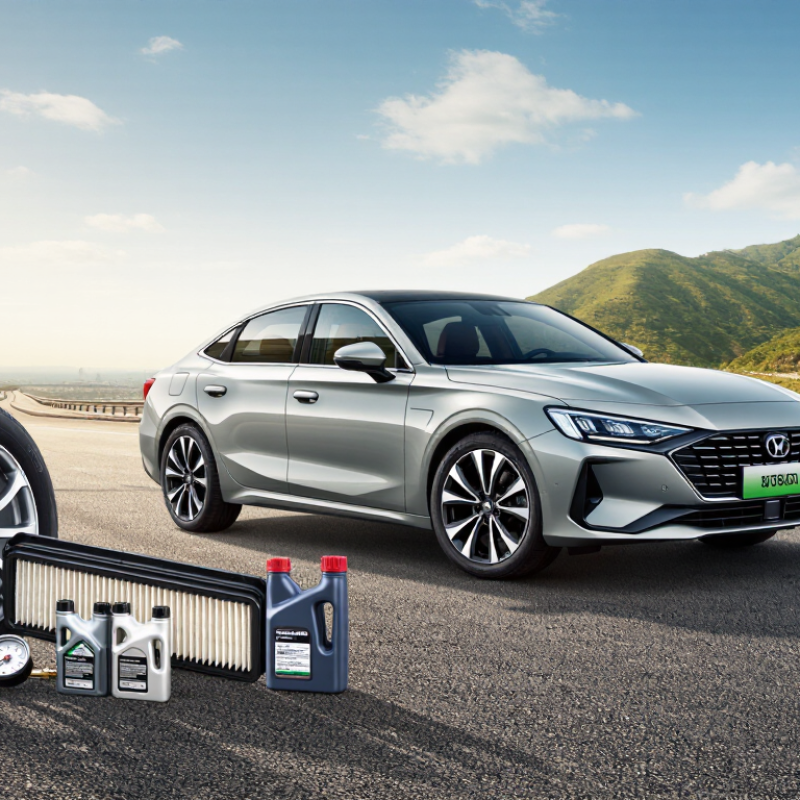
GB 19578-2021 sets maximum fuel-consumption limits for passenger cars, with thresholds varying by vehicle category and curb mass. Effective from July 1, 2021, it offers a regulatory baseline—not a promise of what every driver will achieve on the road. Check the relevant category before comparing a vehicle’s certified figure with its limit.
Use the standard alongside consistent road tests. Record fuel added, distance travelled, route, load, and weather; a cold morning and short urban trips can shift results. Small details matter. The ICCT’s 2019 analysis of Chinese passenger cars found real-world fuel consumption around 20% above certification figures by 2017. This gap shows why a lab number alone can mislead, though one test cannot explain every vehicle or driving pattern.
For a practical comparison, repeat the same route with similar tyre pressure, passenger load, and traffic conditions. Then compare the measured result with the vehicle’s applicable GB limit and certified consumption. Keep the raw figures, even when they look untidy. This method is not a laboratory test, and route variation remains a weakness; noting it makes the baseline more honest and useful.
Start with the applicable regulatory fuel-consumption limit for the vehicle’s category and curb-mass range. Record a repeatable baseline before making changes, then compare results under the same test conditions.
| Vehicle category reference | Curb-mass range (kg) | Fuel-consumption limit (L/100 km) |
|---|---|---|
| Conventional-fuel passenger car with two rows of seats | CM ≤ 1,090 | 5.0 |
| 1,090 < CM ≤ 1,205 | 5.1 | |
| 1,205 < CM ≤ 1,320 | 5.3 | |
| 1,320 < CM ≤ 1,435 | 5.5 | |
| 1,435 < CM ≤ 1,550 | 5.7 |
| No. | Performance area | Baseline data to record | Optimization check | How to compare |
|---|---|---|---|---|
| 1 | Regulatory fuel-consumption position | Applicable GB 19578-2021 limit; certified fuel consumption; curb mass and seating configuration | Confirm the correct standard category and mass band before setting a target. | Calculate the difference between the certified value and the applicable limit in L/100 km. |
| 2 | Repeatable fuel-use baseline | Fuel consumed, distance travelled, test route, ambient conditions and vehicle load | Repeat the same route and operating conditions; avoid comparing unlike trips. | Fuel consumption = fuel used ÷ distance × 100, expressed in L/100 km. |
| 3 | Tire pressure | Cold tire pressure for each tire and the vehicle placard specification | Set pressure to the vehicle maker’s specified cold-pressure value; inspect for leaks. | Record pressure before and after the same controlled drive. |
| 4 | Unnecessary vehicle mass | Vehicle load and removable cargo mass | Remove items that are not needed for the test or normal journey. | Record the load in kilograms and keep the test load consistent between runs. |
| 5 | Wheel alignment and rolling resistance | Alignment inspection results, tire condition and evidence of uneven wear | Investigate pulling, uneven tire wear or abnormal rolling resistance; correct faults to specification. | Compare alignment records and repeat the same route after repair. |
| 6 | Engine and drivetrain maintenance | Diagnostic trouble codes, service history and condition of specified filters and fluids | Restore the vehicle to its prescribed maintenance condition before evaluating performance changes. | Document each maintenance item and compare like-for-like test results. |
| 7 | Driving speed and acceleration | Average speed, speed variation, acceleration events and idle time | Use smooth acceleration and avoid unnecessary high-speed driving and prolonged idling. | Compare trips with similar routes, traffic and average speeds. |
| 8 | Route and traffic conditions | Route distance, road type, elevation changes, traffic and stop frequency | Use a repeatable route or separate urban and highway results instead of mixing them. | Report each route type separately in L/100 km. |
| 9 | Air-conditioning and electrical loads | Climate-control setting, cabin temperature and major electrical loads | Keep accessory settings consistent when measuring changes; use only settings appropriate to comfort and safety. | Compare runs with the same accessory configuration and ambient conditions. |
| 10 | Result quality and verification | Number of runs, fuel-consumption readings and test-condition notes | Repeat measurements and investigate outliers before accepting an apparent improvement. | Report the mean of comparable runs and retain the individual readings. |
Important: The reference values above are selected rows for the stated vehicle category, not a substitute for checking the complete GB 19578-2021 requirements. Applicable limits can depend on vehicle category, seating configuration and curb mass. Regulatory compliance must be assessed using the standard’s applicable procedures; road-use measurements are for baseline comparison and do not replace certification testing.
It sets maximum fuel-consumption limits for passenger cars, based on vehicle category and curb mass. It is a baseline, not a promise of real-world mileage.
Repeat the same route with similar traffic, tire pressure, and passenger load. Record fuel added, distance, weather, and route details. My notes can still get messy.
Cold mornings, short city trips, and traffic can raise consumption. One analysis found real-world use around 20% above certification figures by 2017. One test cannot explain every car.
Check when tires are cold, after the car has been parked for at least three hours or driven less than a mile. Check them cold.
Follow the driver-side door placard or owner’s manual, not the tire sidewall maximum. Measure all four tires with a dependable gauge. I sometimes forget the spare.
Keeping tires at the specified pressure can improve fuel economy by up to 3%. Results vary with the vehicle, roads, and driving habits. It is not guaranteed.
Follow the maintenance schedule and record service dates and mileage. Replace filters and fluids as specified. Good maintenance supports proper operation, but it does not replace official testing.
Don’t ignore it. Ask a qualified technician to check diagnostic codes and relevant emissions equipment. Guessing at a fault can miss the real cause.
Repeated short trips can make regeneration harder for some particulate-control systems. Ask a technician for a proper diagnosis. Driving conditions complicate simple advice.
Learning how to optimize vehicle performance begins with establishing a clear baseline. Compare the vehicle’s fuel consumption with the limits and testing framework in GB 19578-2021, then use the result to identify areas for improvement. Check tire pressure when the tires are cold and follow the vehicle’s specified pressure: proper inflation can improve fuel economy by up to 3%. Also remove unnecessary cargo, since an extra 45 kg may reduce fuel economy by about 1%.
Driving habits and routine maintenance matter just as much. Accelerate and brake smoothly, maintain a steady speed where conditions allow, and avoid aggressive driving, which can reduce highway fuel economy by 15–30%. Keep the engine and emissions systems in good working order, and address warning signs promptly. Regular maintenance helps the vehicle operate efficiently while supporting compliance with China VI requirements under GB 18352.6-2016. Together, these practical steps can improve efficiency and help maintain reliable performance.
