Partix Auto
Improving fuel system efficiency is critical for optimal vehicle performance. Many drivers are unaware of the small changes that can make a big difference. Understanding how to improve fuel system efficiency can lead to savings in both fuel costs and engine wear.
Regular maintenance is key. Simple tasks like changing the fuel filter can enhance performance. Additionally, using quality fuel can prevent clogs and build-up. Drivers might overlook these details, thinking they aren’t significant. Yet, neglecting them often leads to bigger issues.
Another important factor is the driving style. Aggressive acceleration and high speeds can reduce fuel efficiency. Adopting smoother driving habits can yield noticeable improvements. Reflecting on these practices helps fuel system efficiency and contributes to a greener environment. By focusing on these aspects, drivers can embrace changes that lead to better performance overall.
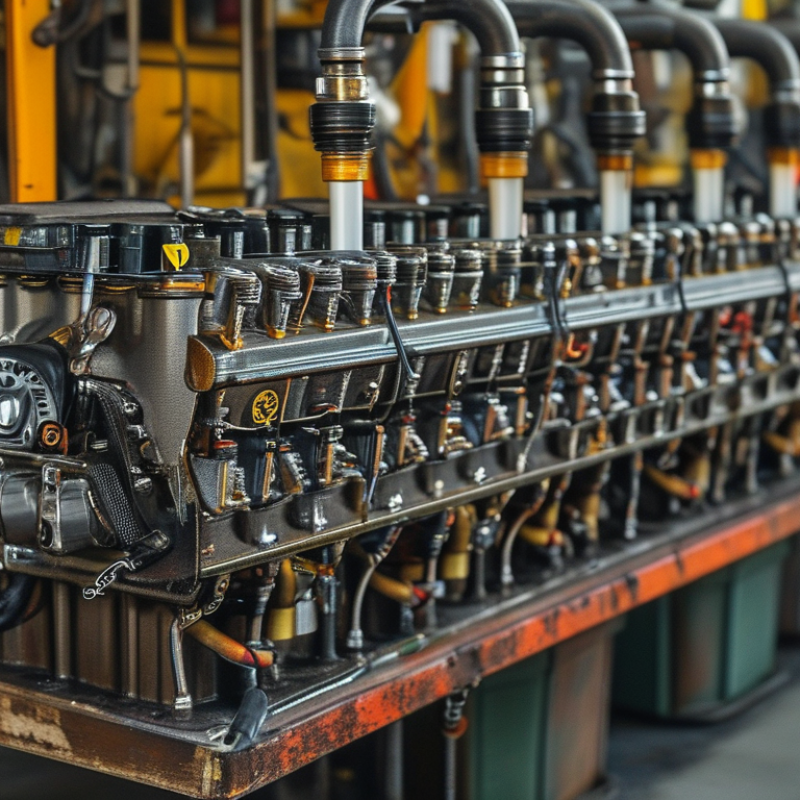
Understanding the fuel system is crucial for enhancing vehicle performance. The fuel system comprises several key components: the fuel tank, fuel pump, fuel filter, and fuel injectors. Each part plays a significant role in ensuring the engine runs smoothly and efficiently. For instance, according to the U.S. Department of Energy, a well-maintained fuel system can improve fuel economy by 4% to 8%.
The fuel pump delivers fuel from the tank to the engine. If the pump is weak or clogged, it can reduce fuel pressure, leading to poor performance. Regularly checking the fuel filter is essential too. A clogged filter can harm the engine and diminish efficiency. Industry experts highlight that replacing a fuel filter every 20,000 to 30,000 miles enhances system performance.
**Tips:** Regular maintenance can prevent costly repairs. Use quality fuel to avoid buildups in the fuel line. Always monitor your vehicle's fuel consumption. If you notice fluctuations, it may signal an issue within the fuel system. A thorough inspection can identify problems early.
Fuel injectors must atomize fuel correctly for efficient combustion. Dirty or malfunctioning injectors can lead to rough idling and increased emissions. Data shows that cleaning injectors can restore up to 30% of lost power. It’s an important step to consider, especially for older vehicles.
Fuel system efficiency plays a crucial role in vehicle performance. Several factors can impact this efficiency. The fuel type used is significant. Different fuels have varying combustion characteristics that affect engine performance and emissions. For instance, high-octane fuels can improve engine efficiency in certain conditions. Contaminants in fuel can also lead to inefficient combustion, resulting in lost power.
Another critical factor is the condition of the fuel filter. A clogged filter restricts fuel flow, leading to poor engine performance. Regular maintenance is essential for ensuring that the fuel filter remains clear. Additionally, fuel injectors should be clean and functioning properly. If they are dirty or malfunctioning, they can spray fuel unevenly. This creates an uneven air-fuel mixture, impacting overall efficiency.
Engine tuning and regular check-ups also contribute to fuel system efficiency. A well-tuned engine operates more smoothly and efficiently. Timely adjustments can help maintain optimal performance. Ignoring these aspects can lead to decreased efficiency. Each of these factors highlights the importance of comprehensive care for your vehicle's fuel system.
Regular maintenance of fuel systems can significantly boost vehicle performance. Efficient fuel systems lead to better combustion, improving both power and fuel economy. According to industry research, consistent maintenance can enhance fuel efficiency by as much as 15%. However, neglected systems can suffer from clogging and wear, resulting in decreased efficiency.
**Tips:** Check your fuel filter regularly. A clogged filter can hinder fuel flow and cause engine problems. Replace it as recommended in your vehicle manual.
Fuel injectors require attention too. Dirty injectors lead to uneven fuel distribution, impacting engine performance. Cleaning them can restore optimal function. Regular inspection can catch issues early, preventing costly repairs later.
**Tips:** Use high-quality fuel to minimize deposits. Consider a professional cleaning every 30,000 miles.
Remember, an overlooked fuel system can lead to a frustrating experience. Many drivers neglect the importance of maintaining this critical component. Awareness and regular practices can transform the way your vehicle performs. Don't wait for warning signs; act proactively to ensure efficiency.
| Maintenance Practice | Frequency (per year) | Impact on Efficiency (%) | Cost ($) | Notes |
|---|---|---|---|---|
| Fuel Filter Replacement | 1-2 | 10 | 50 | Improves fuel flow |
| Fuel Injector Cleaning | 1 | 15 | 100 | Enhances injector performance |
| Fuel System Check | 2 | 5 | 30 | Identifies potential issues early |
| Fuel Additives Use | 4 | 8 | 20 | Cleans injectors and fuel lines |
| Tank Inspection | 1 | 12 | 70 | Ensures no leaks or blockages |
Utilizing advanced technologies can significantly enhance fuel system efficiency. Modern vehicles now incorporate innovative fuel injection systems, which precisely deliver fuel to the combustion chamber. This ensures optimal combustion, which reduces waste and improves performance. Advanced sensors monitor conditions in real time, adjusting fuel delivery for maximum efficiency. These technologies lead to better throttle response and enhanced acceleration.
Another promising approach is the use of software optimization. Advanced algorithms analyze driving patterns and adjust settings accordingly. This not only boosts efficiency but can also adapt to different conditions. However, not all vehicles support these upgrades. Some older models may limit the full potential of such technologies.
Regular maintenance is crucial as well. A clean fuel system will always outperform a dirty one. Although technology plays a key role, human oversight remains vital. It's easy to overlook routine checks, which can lead to performance drops. Balancing innovation with basic maintenance is essential to truly enhance fuel performance.
Optimizing your driving habits can significantly boost your fuel efficiency. Small changes can lead to noticeable savings and improved performance. Begin by being mindful of your speed.
Driving faster consumes more fuel. Sticking to speed limits can result in better mileage. Additionally, smooth acceleration and braking can enhance fuel efficiency.
Jerky movements waste fuel and can cause engine strain.
Tips: Try to anticipate traffic flow. This helps maintain a constant speed, reducing the need for frequent braking. Limit idling time, as running the engine while parked is an unnecessary fuel drain. When possible, combine errands to minimize short trips, as cold engines consume more fuel.
Another essential habit is to maintain your vehicle. Regular maintenance improves performance. Check tire pressures regularly; properly inflated tires reduce rolling resistance. A dirty air filter can also hinder efficiency. Replace it as needed. Make sure to monitor your vehicle’s performance for any irregularities.
Ignoring warning signs may lead to fuel inefficiency and costly repairs down the line.
: The fuel system includes the fuel tank, fuel pump, fuel filter, and fuel injectors.
The fuel pump delivers fuel to the engine. A weak pump can cause poor performance.
A clogged fuel filter can harm the engine and reduce efficiency. Regular checks are essential.
Replacing the fuel filter every 20,000 to 30,000 miles is generally recommended for better performance.
Dirty injectors can lead to rough idling and higher emissions, affecting overall engine performance.
Cleaning injectors may restore up to 30% of lost power, particularly beneficial for older vehicles.
Regular maintenance can enhance fuel efficiency by as much as 15% and improve combustion.
Quality fuel helps minimize buildups in the fuel line, promoting better performance.
Fluctuations in fuel consumption may indicate problems in the fuel system that need inspection.
A thorough inspection of the fuel system can identify issues early and prevent costly repairs.
To understand how to improve fuel system efficiency, it is essential to start with a comprehensive grasp of the fuel system components and their specific functions. Each part plays a critical role in ensuring optimal performance, and recognizing how they interact can lead to better maintenance practices. Factors such as fuel quality, engine condition, and environmental influences can significantly affect efficiency, making it crucial to identify and address these elements.
Regular maintenance is key to enhancing fuel system performance, including timely replacements of filters and checking for leaks. Additionally, adopting advanced technologies, such as fuel injectors and sensors, can further optimize system functionality. Drivers can also play a part by adjusting their driving habits—maintaining steady speeds, reducing idling, and monitoring tire pressure can all contribute to improved fuel efficiency. Ultimately, a holistic approach incorporating these strategies will provide effective solutions on how to improve fuel system efficiency.
