Partix Auto
Damping plays a pivotal role in automotive engineering, enhancing vehicle performance and safety. According to the International Journal of Automotive Technology, improper damping can lead to a 25% increase in stopping distance. What is the role of damping in vehicles? It influences ride comfort and vehicle handling, crucial for both daily drivers and high-performance cars.
Modern vehicles utilize advanced damping technologies to ensure optimal performance. As per a report by Automotive Engineering International, effective damping can significantly reduce road noise and vibrations, leading to a more enjoyable experience. The correlation between damping efficiency and vehicle stability emphasizes the importance of this often-overlooked component.
However, not all damping systems are flawless. Many vehicles still rely on outdated technologies, resulting in potential safety risks. Engineers strive to improve damping systems, yet challenges remain regarding balance and responsiveness. Acknowledging these imperfections in damping technology is essential for ongoing improvements in the automotive sector.
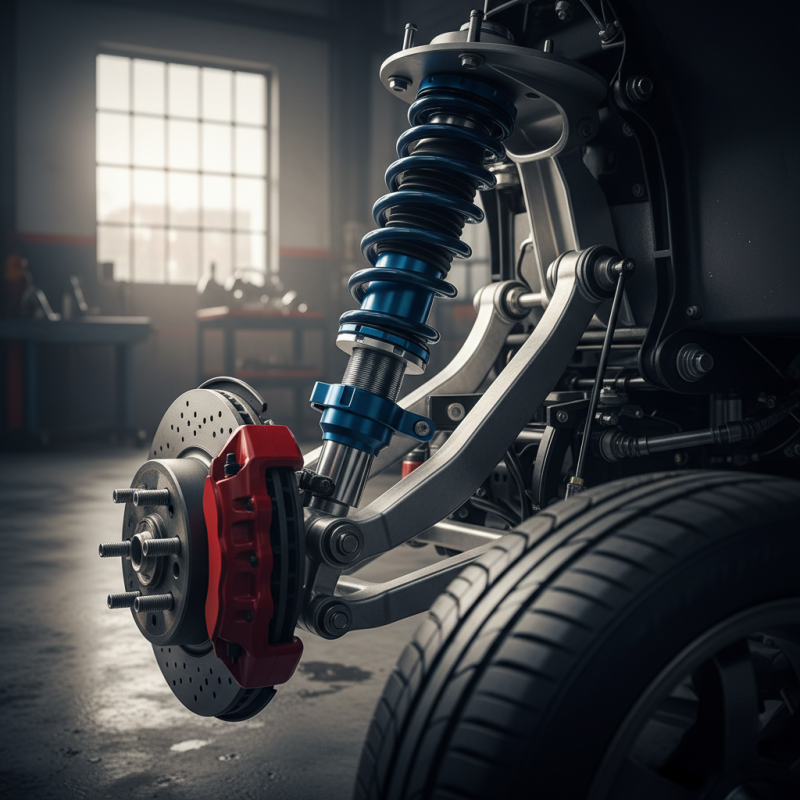
Damping plays a vital role in vehicle dynamics. It significantly reduces body roll during turns. This enhancement ensures drivers maintain better control. A well-designed damping system allows for smoother handling, especially on winding roads. When the vehicle corners, effective damping minimizes the lateral forces that can cause instability.
Poor damping can lead to excessive body roll. This instability not only affects handling but can also compromise safety. Imagine navigating a sharp turn with a vehicle that leans heavily. It creates a feeling of unease for both the driver and passengers. Moreover, inadequate damping can result in uneven tire wear. This not only shortens tire life but also affects traction.
Additionally, damping influences ride comfort. Too much body roll can make a ride feel jarring. Passengers may become uncomfortable over rough terrain. Balancing damping is crucial. Striking the right compromise between comfort and performance is essential. Each aspect of damping must be considered carefully for optimal results.
Damping plays a vital role in vehicle performance, impacting ride comfort and handling. Proper damping ensures that vehicles handle well during sharp turns while providing a smooth ride over bumps. It's a delicate balance. Too much damping can lead to a harsh ride, while too little can result in poor handling.
Every driver desires a comfortable experience, especially on long journeys. Effective damping absorbs shocks from the road, minimizing vibrations felt inside the cabin. A well-tuned suspension system allows for better control and responsiveness. Drivers often feel more confident behind the wheel when the ride is smooth.
Tips for improving damping: Regularly check your suspension components for wear. Consider professional tuning for your vehicle if you notice harshness or excessive body roll. Adjusting dampers or investing in quality components can enhance your driving experience. Remember, the goal is to find a sweet spot that offers both comfort and performance.
Damping plays a pivotal role in vehicle suspension systems. It helps control the oscillations that arise from road irregularities. Proper damping ensures that the wheels maintain contact with the road surface. This enhances grip, stability, and overall safety. In essence, efficient damping translates vibrations into manageable movements.
The technical aspects of damping involve shock absorbers. These components limit excessive spring movement. They dissipate energy that comes from bumps or dips on the road. This process reduces unwanted body sway and improves ride comfort. Engineers measure performance metrics like rebound and compression rates to evaluate damping efficacy. These metrics reflect how well a vehicle can handle varied driving conditions.
However, not all damping systems are perfect. Over time, shock absorbers can wear out, leading to decreased performance. Inadequate damping may result in a bouncy ride or loss of control during sharp turns. Regular maintenance and checks on damping systems are essential for optimal performance. Balancing comfort and control remains a challenge in vehicle design.
Damping plays a pivotal role in vehicle performance, especially in enhancing tire traction and braking efficiency. When a vehicle hits a bump, damping absorbs the shock and minimizes vibrations. This process allows tires to maintain better contact with the road surface. A consistent connection between the tire and the ground boosts grip. It enhances the effectiveness of the braking system.
Without adequate damping, a vehicle can experience excessive bounce and instability. This instability may lead to longer stopping distances. Poor traction can cause difficulty on slippery surfaces, particularly during sudden stops. Vehicles can skid or lose control if damping is insufficient. Drivers may not recognize these dangers until it's too late.
Moreover, the right type of damping can vary based on driving conditions. It’s important to consider different settings for off-road versus highway driving. Many drivers overlook the importance of adjusting damping for their specific needs. Regular assessments can help improve overall vehicle safety and performance. Recognizing the subtle yet significant impact of damping can lead to better handling and quicker response times in emergency situations.
Damping strategies play a vital role in vehicle dynamics. These approaches help manage energy absorption within a vehicle's suspension system. Different types of dampers affect handling, comfort, and stability. The most common types include hydraulic dampers, pneumatic dampers, and electromagnetic dampers. Each has unique characteristics suited for various driving conditions.
In performance vehicles, damping can enhance cornering capabilities. This brings improved traction and reduces body roll. Conversely, in everyday vehicles, the priority often shifts to ride comfort. A well-tuned damping system mitigates road vibrations, ensuring a smooth drive. However, not all damping strategies work seamlessly in every situation. Poorly matched dampers can lead to an uncomfortable ride or reduced handling precision.
The choice between passive and active dampers is also crucial. Active systems adapt in real-time to changing conditions, enhancing safety and performance. Yet, they can be more complex and costly to maintain. Ultimately, understanding the right damping strategy is essential for optimizing vehicle performance. Each choice carries implications that warrant careful reflection and consideration.
: Damping reduces body roll during turns. This improves driver control and vehicle stability.
Poor damping can cause excessive body roll. This instability compromises handling and safety.
Inadequate damping can lead to uneven tire wear. This shortens tire life and reduces traction.
Too much body roll makes rides feel jarring. Passengers may feel uncomfortable on rough terrain.
Damping involves shock absorbers that limit spring movement. They control oscillations from road irregularities.
Over time, shock absorbers can wear out. Neglect may lead to a bouncy ride or loss of control.
Common types include hydraulic, pneumatic, and electromagnetic dampers. Each type suits different driving conditions.
Active dampers adapt to real-time conditions. They enhance safety but may be costly to maintain.
Mismatched dampers can cause an uncomfortable ride. This may lead to reduced handling precision.
Striking the right balance requires careful consideration. Each aspect of damping influences vehicle performance.
Damping plays a vital role in enhancing vehicle performance, primarily by reducing body roll and improving overall stability. This is crucial for ensuring that vehicles maintain control during maneuvers, thus significantly enhancing driver confidence and safety. What is the role of damping in vehicles goes beyond stability; it also impacts ride comfort. Effective damping strikes a balance between handling characteristics and the driver experience, ensuring a smooth ride without sacrificing responsiveness.
In the context of suspension systems, damping influences the technical metrics that evaluate performance, including tire traction and braking efficiency. By optimizing these factors, damping strategies can greatly improve a vehicle's dynamics, providing a better driving experience. Different types of damping applications cater to specific performance needs, showcasing their importance in modern vehicle design and engineering.
