Partix Auto Partix Auto

Top Tips to Extend Lifespan of Car Components for Buyers

Time:2026-05-01 Author:Liam
0%

Buying a car is a significant investment, and maintaining its longevity is crucial. Understanding how to extend the lifespan of car components ensures your vehicle runs efficiently. Regular care can save money and enhance safety on the road.

One key aspect is routine maintenance. Simple actions, like checking tire pressure and changing oil, prolong life. Ignoring this may lead to costly repairs. Additionally, knowing the right parts to replace can make a big difference. It is essential to recognize that some components are more prone to wear and tear.

Drivers often overlook minor issues that can escalate. For instance, a small fluid leak might indicate a more severe problem. Ignoring these signs can drastically reduce a component's lifespan. With the right practices, anyone can become more proactive about car care. This not only benefits the vehicle but also fosters a sense of empowerment for the owner.
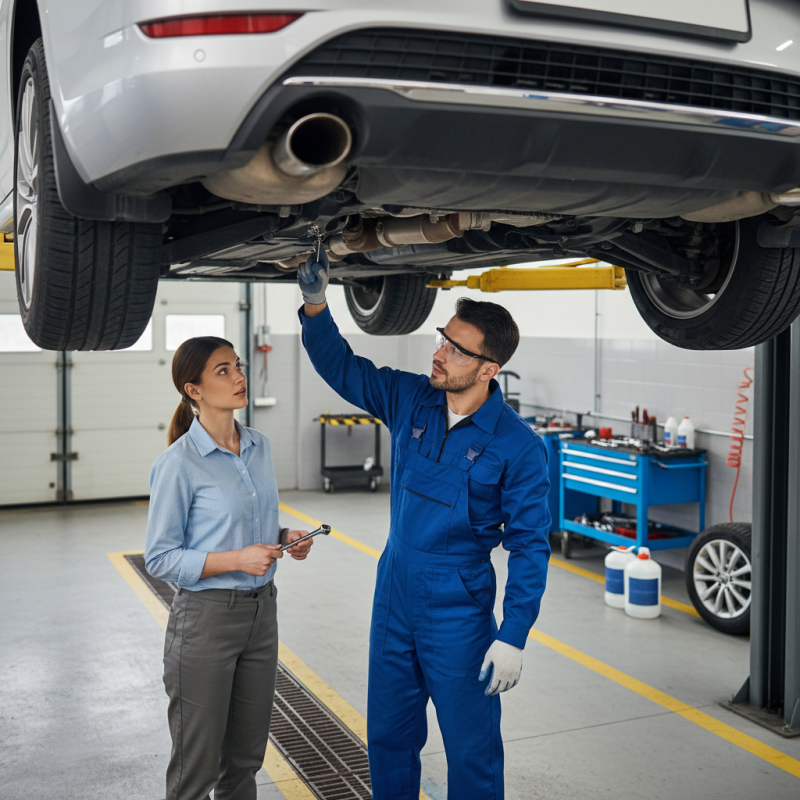
Top Tips to Extend Lifespan of Car Components for Buyers

Understanding the Importance of Regular Maintenance for Car Components

Regular maintenance is crucial for extending the lifespan of car components. According to the American Automobile Association (AAA), well-maintained vehicles can last 15% longer than those that aren’t serviced regularly. Regular inspections help identify issues early. An oil change, for example, should occur every 3,000 to 7,000 miles, ensuring that the engine runs smoothly.

Tips for maintenance include checking tire pressure monthly. Properly inflated tires enhance fuel efficiency and increase safety. Another effective tip is to replace air filters every 12,000 miles. Clean air filters improve engine performance and fuel consumption. Regularly examining brake pads can also prevent more severe and costly problems down the road.

Neglecting maintenance can lead to significant issues. For example, skipping fluid changes can result in engine wear. A worn engine is often expensive to repair or replace. The cost of maintenance is always lower than the cost of major repairs. Regular attention to car components pays off. Maintaining your vehicle is both an investment and a responsibility.

Identifying Key Components That Impact Vehicle Longevity

When considering vehicle longevity, certain components play a vital role. The engine is one of the most critical parts. According to a study by the Car Care Council, regular oil changes can extend an engine's lifespan by 30%. Keeping the oil clean enhances lubrication and reduces wear. This not only improves performance but can save owners significant repair costs.

Brakes are another essential component impacting longevity. Worn brake pads can damage rotors, leading to expensive replacements. The National Institute for Automotive Service Excellence recommends checking brake pads every 12,000 miles. Regular inspections prevent severe issues and promote safety. However, many drivers overlook this maintenance, leading to costly repairs.

Tires also greatly affect vehicle lifespan. Under-inflated tires wear unevenly and can reduce fuel efficiency by 10%. The U.S. Department of Transportation advises checking tire pressure monthly. Ignoring this can result in premature tire wear and decreased handling stability. Recognizing these key components is essential for proactive maintenance, even if it requires time and investment.

Effective Cleaning Techniques to Preserve Car Parts

Cleaning car parts is essential for longevity. Regular maintenance can prevent costly repairs. Start with the engine bay. Use a gentle degreaser. Apply it with a soft brush, avoiding sensitive components.

For wheels and tires, use a dedicated cleaner. These products break down grime effectively. Scrub with a brush, but be gentle. Harsh scrubbing can cause scratches. Rinse thoroughly to avoid residue.

Don't forget the interior. Vinyl and leather surfaces need special care. Use specific cleaners for each type. They protect against wear and fading. Regular vacuuming also helps keep dirt at bay. Remember, the cleaner your car is, the longer its parts will last.

Best Practices for Storage and Usage of Vehicle Components

When it comes to extending the lifespan of car components, proper storage and usage are key. Storing parts in a dry, temperature-controlled environment can significantly reduce degradation. Avoid exposing components to extreme heat or moisture. Doing so helps preserve their integrity. Ensure that all parts are clean and free from contaminants. Dirt can cause wear and tear, leading to potential failures.

Tips for storage include using plastic bins with airtight seals. These containers protect against dust and humidity. Label bins clearly; this saves time when searching for specific components. It can be frustrating to dig through a disorganized pile. Regularly check stored components for any signs of deterioration. If a part looks worn, consider replacing it rather than risking its performance.

During usage, follow manufacturer guidelines closely. Misusing parts can lead to premature failure. Pay attention to warning signs, such as unusual noises or loss of performance. Ignoring these issues often leads to more significant problems down the line. Keep a maintenance log to track usage and care for your components. This critical step can reveal patterns that help in decision-making. It's easy to overlook small changes, but they matter in the long run.

Signs of Wear and When to Replace Car Parts Promptly

Maintaining your car’s components is crucial for longevity. Many drivers overlook the signs of wear, leading to costly repairs down the road. Keep an eye on your brakes; if you hear squeaking or grinding noises, it’s time to act. Similarly, a soft brake pedal indicates potential issues.

Regularly check the tires for uneven wear. This can suggest alignment issues, which might shorten tire life. Replace them if tread depth falls below 2/32 of an inch. Remember, worn-out tires compromise safety. Inspect your headlights and taillights for dimming or flickering. Replacing bulbs promptly will enhance visibility and safety.

To extend the lifespan of car parts, routine maintenance is essential. Change the oil as recommended. Regular oil changes can prevent engine wear. Keep an eye on fluid levels; low coolant can lead to overheating. Driving with warning lights on is risky. Address these alerts swiftly to avoid more significant damage.

Lastly, don’t ignore belts and hoses. Cracks or fraying indicate it’s time for replacement. A failing belt can lead to engine failure, costing you dearly. Prioritize these checks to keep your vehicle reliable and safe on the road.

FAQS

: Why is regular maintenance important for car components?

: Regular maintenance helps extend vehicle lifespan and identifies issues early. Well-maintained cars can last significantly longer.

How often should I change my oil?

Oil changes are recommended every 3,000 to 7,000 miles. This keeps the engine running smoothly and efficiently.

What should I check monthly for better fuel efficiency?

Check tire pressure every month. Properly inflated tires enhance fuel efficiency and improve safety on the road.

When should I replace air filters?

Replace air filters every 12,000 miles. Clean filters boost engine performance and improve fuel consumption.

What happens if I neglect brake pad maintenance?

Worn brake pads can damage rotors, resulting in costly repairs. Regular inspections are necessary for safety and savings.

How can I store vehicle components safely?

Store parts in a dry, temperature-controlled environment. Use airtight bins to protect against dust and moisture.

What warning signs indicate I need to check vehicle components?

Look for unusual noises or performance loss. Ignoring these signs can lead to more significant issues down the line.

How can I track the maintenance of my vehicle?

Keep a maintenance log to track usage and care. This helps reveal patterns for better decision-making over time.

Why is it essential to follow manufacturer guidelines?

Misusing parts can lead to premature failure and costly repairs. Always adhere to the provided recommendations.

What are the typical consequences of skipping fluid changes?

Skipping fluid changes can lead to engine wear. Repairing a worn engine is often much more expensive than regular maintenance.

Conclusion

To effectively learn how to extend the lifespan of car components, it is crucial to prioritize regular maintenance. Regular inspections and servicing help to identify key components that significantly impact vehicle longevity. This proactive approach not only ensures optimal performance but also aids in preventing costly repairs down the line.

In addition to maintenance, employing effective cleaning techniques can preserve car parts by removing dirt and debris that may cause wear over time. Best practices for the storage and usage of vehicle components further enhance their durability. Lastly, it is important for drivers to recognize signs of wear and know when to replace car parts promptly, ensuring that the vehicle remains in peak condition and operates safely for years to come.

Liam

Liam

Liam is a dedicated marketing professional with a profound expertise in the industry, where he excels at highlighting the unique advantages of our core products. With a keen understanding of market trends and consumer needs, Liam frequently updates our company’s professional blog, providing......