 Partix Auto
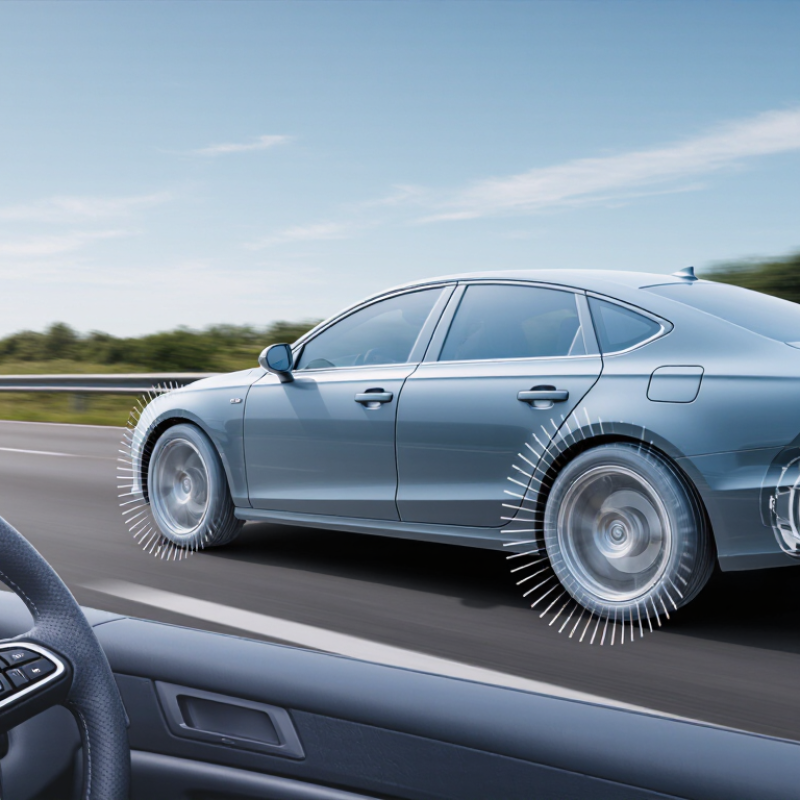
Why Do Vehicles Shake at High Speeds?
At higher speeds, shaking often arrives as a repeating pulse rather than one sudden jolt. The steering wheel may tremble between your hands. The seat can buzz against your back. Sometimes, the entire cabin feels like it is humming. The sensation may grow stronger near a specific speed, then soften above it. That pattern often points to wheel imbalance, uneven tire wear, or a bent wheel. However, feeling alone cannot confirm the cause.
During road tests, technicians compare the vibration’s location and timing. A shake through the steering wheel may involve the front wheels or suspension. A vibration through the seat may come from the rear wheels or drivetrain. Shaking mainly during braking suggests another concern, such as uneven braking surfaces. The clues can overlap. That is where quick assumptions fail. A vehicle can feel nearly normal on smooth pavement while hiding a developing problem.
Tips: Ease off the accelerator smoothly, avoid abrupt lane changes, and pull over when safe. Check for low tire pressure, visible bulges, or damaged tread, but do not rely on a visual check alone. Arrange a qualified inspection before returning to high-speed driving. Keep notes about the speed, road surface, and whether braking changes the sensation. Small details matter. Even experienced drivers can misread vibration patterns.
