Partix Auto
Partix Auto
Partix Auto
Engineered for high load-bearing capacity, extreme vibration isolation, and fluid transfer durability.
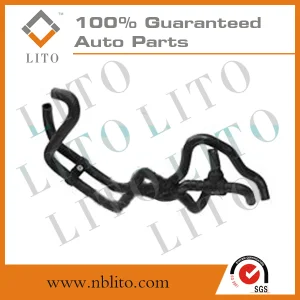
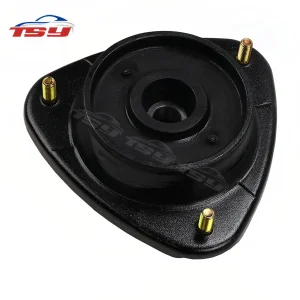
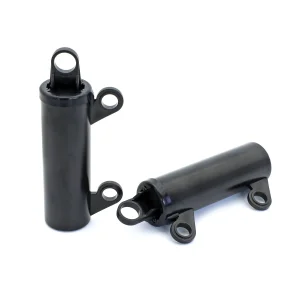
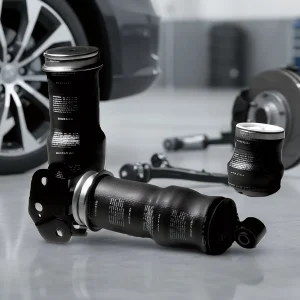
Alternator brackets serve as the structural backbone of engine auxiliary drive systems. Operating under high static and dynamic tension, these brackets are responsible for keeping the alternator securely aligned with the engine crankshaft pulley. A deviation of even 0.5 degrees in pulley alignment can cause belt slippage, accelerated wear, and catastrophic bearing failures.
Our engineering standards focus on neutralizing two main stress vectors: rotational torque generated by the alternator under full electrical load, and engine-induced high-frequency vibrations. By utilizing advanced Finite Element Analysis (FEA) and topology optimization, we reduce material mass while maximizing stiffness. This reduces mechanical resonance, ensuring that the bracket's natural vibration frequency sits well outside the engine's primary operating speed bands.
Whether cast from robust SG iron or precision-machined from 6061-T6 billet aluminum, our alternator brackets deliver long-lasting durability. This makes them ideal for commercial transport, marine propulsion, and heavy-duty industrial power units where down-time translates directly to operating loss.
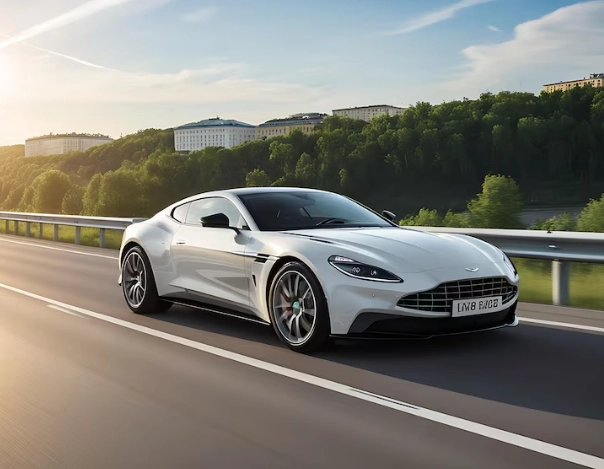
Leveraging high-end manufacturing workflows to guarantee material density, dimensional consistency, and anti-corrosive endurance.
For custom billet brackets, we utilize multi-axis CNC milling centers. This enables complex geometries and tight tolerances (+/-0.01mm) in a single setup, eliminating dimensional stacking errors.
Every step of our process—from sand casting and die-casting to final powder coating or anodization—is controlled by strict quality systems certified to IATF 16949 automotive standards.
Integrating elastomeric dampening elements directly into bracket designs. Utilizing custom rubber-to-metal bonding processes to isolate auxiliary drives from high dynamic crankshaft forces.
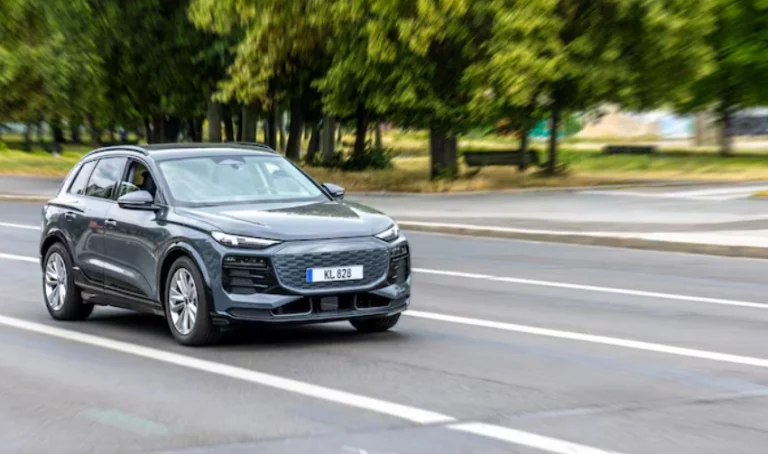
Founded in 2004, Shenzhen Partix Auto Co., Ltd. sits in Zhucheng, Shandong. This strategic location is close to Weifang (the kite capital of China) and falls within the one-hour economic circle around Qingdao, providing access to extensive maritime shipping lanes and logistically efficient air routes.
Today, Partix Auto is recognized as a national high-tech company and a state-owned holding listed firm. Our focus on engineering and research won us the title of "National Intellectual Property Demonstration Enterprise." Since 2006, industry experts have regularly named the company among the "National Top 100 Automotive Parts Suppliers."
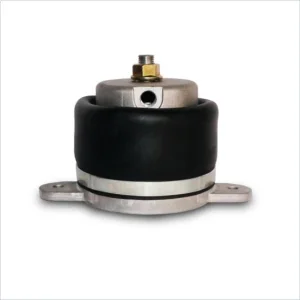
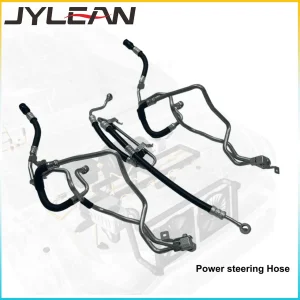
We lead the market in designing and manufacturing top-grade fluid pipelines, vehicle suspension systems, and vibration-reducing rubber parts. Our core portfolio includes engine mounts, structural brackets, air springs, bushings, thrust rods, and composite fluid systems. These products are widely used in passenger cars, commercial vehicles, and heavy-duty engineering machinery worldwide.
As modern internal combustion engines shrink in displacement but increase in specific power output, the thermal and kinetic strains placed on auxiliary systems rise. Alternator brackets, belt tensioners, and air conditioning compressor mounts are no longer passive cast-iron blocks. Today, they are active mechanical components designed to meet strict weight targets, withstand higher engine bay temperatures, and prevent structural fatigue.
To meet the global demand for lighter vehicles, modern engine brackets have shifted from heavy, grey cast iron to high-strength aluminum alloys (such as A356-T6, AlSi9Cu3, or extruded 6061 billet). These materials reduce front-end weight, improving vehicle weight distribution and handling. For severe heavy-duty and agricultural applications, ductile cast iron (such as GGG50 or GGG60) remains the gold standard, providing excellent yield strength and cyclic load resistance.
Using finite element analysis (FEA), we model bracket assemblies under real-world conditions. We simulate key forces, including tension from belt pre-loads, high-RPM centrifugal loads, and temperature shifts from -40°C to 150°C. This modeling helps identify potential stress points near bolt bosses and mounting flanges, allowing us to reinforce critical areas before beginning mass production.
Exposed to road salt, water spray, and engine fluids, brackets require advanced surface treatments. Our standard coatings include cathodic electrodeposition (E-coating), heavy-duty zinc-nickel plating, or architectural-grade powder coatings. These treatments routinely exceed 720 hours of ASTM B117 salt spray testing, preventing galvanic corrosion between aluminum brackets and steel engine blocks.
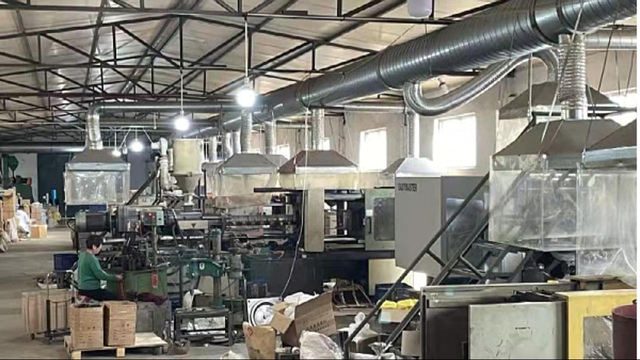
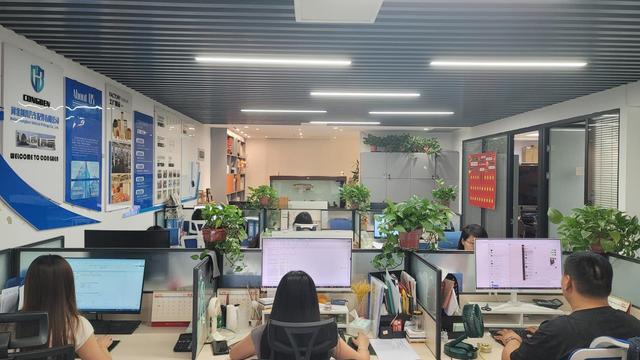
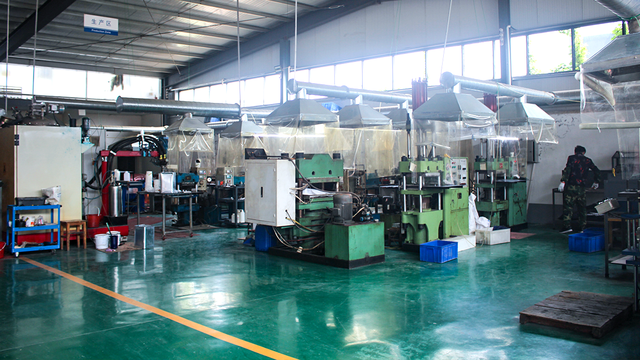
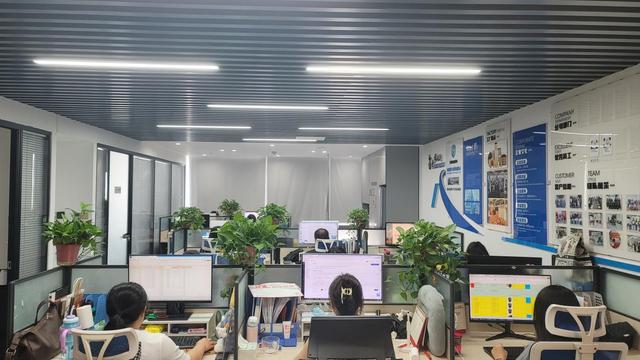
A tour of our manufacturing processes, including CNC milling, automated rubber vulcanization, and robotic welding lines.
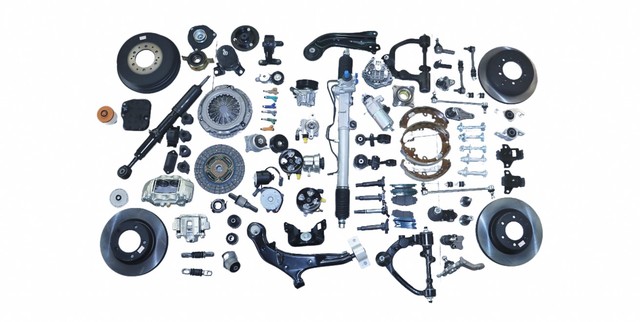
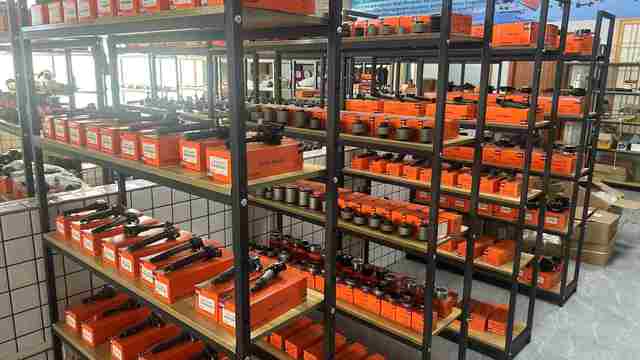
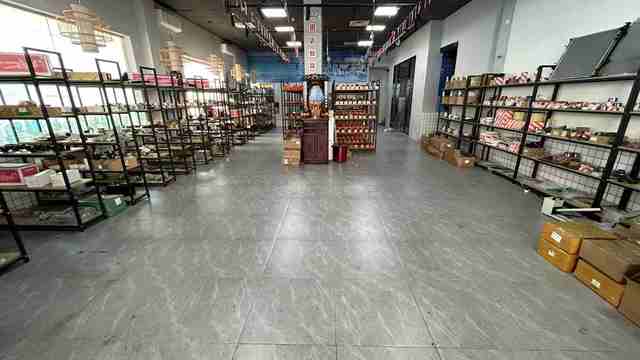
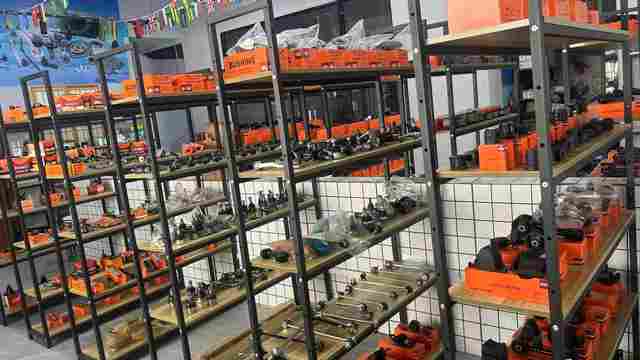
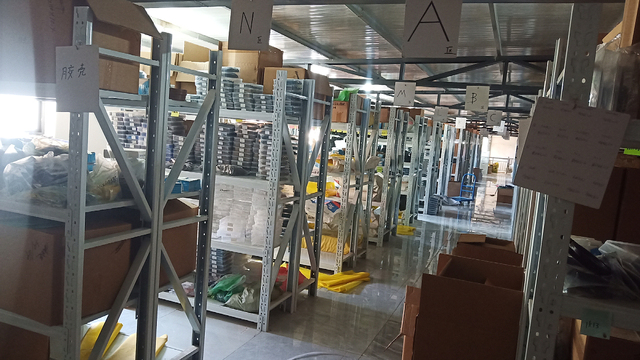
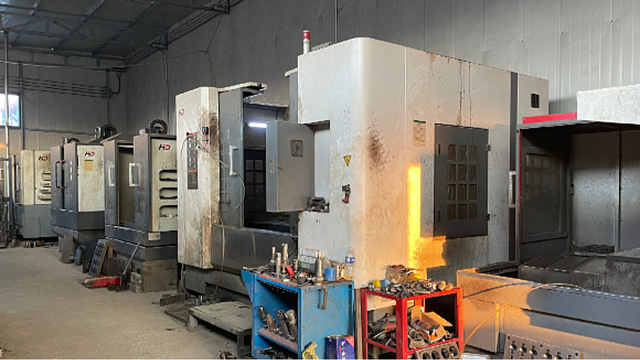
Helping procurement directors and supply chain managers optimize lead times, reduce tooling costs, and ensure consistent part quality.
Located in the Qingdao shipping hub circle. This allows us to dispatch consolidated ocean freight containers directly to North American, European, and Asia-Pacific ports, lowering shipping overheads.
We offer rapid tooling turnarounds for OEM custom brackets. We can move from CAD files to functional sand-cast or billet-machined prototypes in as little as 10 working days.
Each shipment includes full PPAP (Production Part Approval Process) level 3 documentation, material composition analysis certificates, and coordinate measuring machine (CMM) dimensional reports.
Answers to common questions regarding materials, engineering design, and custom manufacturing processes.
Explore our engineering capabilities across rubber-metal bonding, high-pressure fluid transfer, and precision cabin suspension.