Partix Auto
Partix Auto
Partix Auto
Discover our high-precision automotive solutions engineered for modern vehicle platforms, guaranteeing exact fitment, long-term durability, and optimum vibration isolation.
The crankshaft pulley—commonly known as a harmonic balancer or torsional vibration damper—is a critical component mounted to the free end of an internal combustion engine's crankshaft. Its primary role goes far beyond simple belt drive operation; it acts as a primary vibrational energy absorber, neutralizing destructive torsional harmonics generated during successive combustion cycles. Without a highly calibrated crankshaft pulley, dynamic shaft oscillations can lead to catastrophic crankshaft fatigue, accelerated accessory drive wear, and unacceptable cabin NVH levels.
On a global scale, automotive manufacturers and Tier-1 procurement teams seek reliable OEM/ODM Crankshaft Pulley Manufacturers & Factories capable of delivering precise dynamic balancing, reliable rubber-to-metal bonding, and validated component service lives. Our engineering department specializes in designing, prototyping, and mass-producing dampers that meet the tight tolerances demanded by premium OEMs.
Modern crankshaft dampers must be custom-tuned to the specific resonant frequency spectrum of each engine family. Operating at the core of a powertrain requires structural materials and elastomeric components that can withstand extreme thermal ranges, oil contamination, and relentless high-frequency shear stress.
Ductile iron (grades like GGG50 or GGG60) and high-density grey iron are utilized for inertia rings and hubs to guarantee microstructural integrity, preventing high-RPM expansion and fatigue cracking.
Custom EPDM (Ethylene Propylene Diene Monomer) and silicone rubber formulations are developed with specific shore hardness and dampening parameters, maintaining stable performance from -40°C to +150°C.
Every single damper is dynamically balanced utilizing state-of-the-art vertical balancing machinery to meet or exceed ISO 1940-1 G2.5 guidelines, preventing eccentric loads on the main bearings.
| Performance Parameter | Standard OEM Specification | ODM Premium Enhanced Limit | Validation Test Method |
|---|---|---|---|
| Torsional Angle Reduction | < 0.2 Degrees | < 0.08 Degrees | Laser Torsional Vibrometry |
| Elastomer Adhesion Strength | > 2.5 MPa | > 4.5 MPa | Hydraulic Axial Pull-Out Test |
| Thermal Endurance | 120°C continuous for 240 hrs | 150°C continuous for 500 hrs | Circulating Hot-Air Chambers |
| Dynamic Runout Tolerances | Radial < 0.15mm, Axial < 0.20mm | Radial < 0.08mm, Axial < 0.10mm | Laser Displacement Sensors |
Shenzhen Partix Auto Co., Ltd. sits in Zhucheng, Shandong. This spot lies close to Weifang, known as the kite capital. Moreover, it falls within the one-hour circle around Qingdao. As a result, transportation stays easy and quick.
People founded Partix Auto back in 2004. Today, others see it as a national high-tech company. It also counts as a state-owned holding listed firm. The team pushes hard on new ideas. Because of that, Partix Auto won the title of “National Intellectual Property Demonstration Enterprise.” And since 2006, experts have regularly named it among the “National Top 100 Automotive Parts Suppliers.”
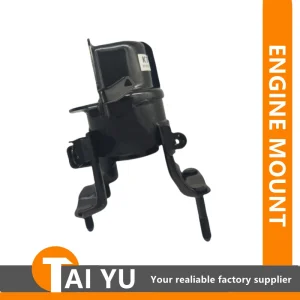
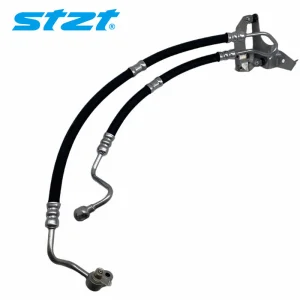
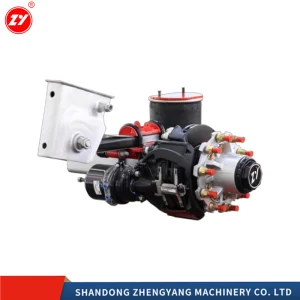
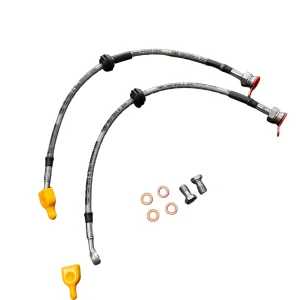
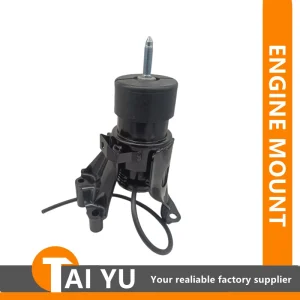
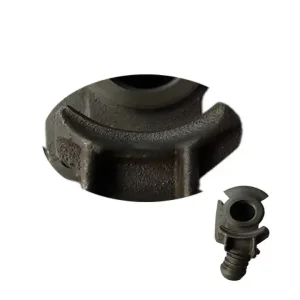
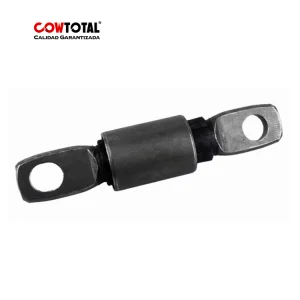
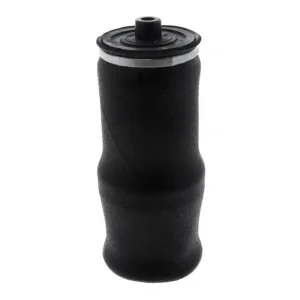
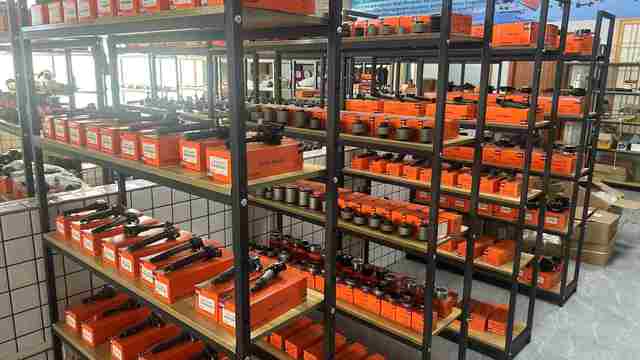
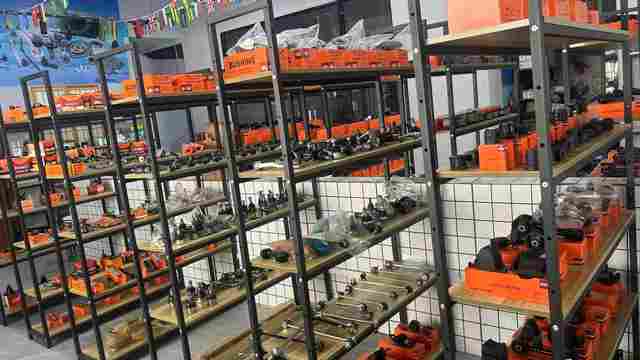
Partix Auto leads strongly in China’s automotive parts field. The company mainly designs and builds top-grade fluid pipelines. It also makes car suspension systems and produces rubber parts that reduce vibration. In general, its main products include bushings, air spring products, engine mounts, fluid line system products, thrust rods, and car suspension systems. These items are widely used in passenger cars, commercial vehicles, and engineering machinery.
Partix Auto follows a clear goal: to serve automotive parts suppliers and OEM customers with high-quality solutions while creating real value. By delivering integrated system solutions, the company meets the evolving demands of global automotive partners. We continue to drive innovation in the automotive industry, turning advanced ideas into practical solutions for the future.

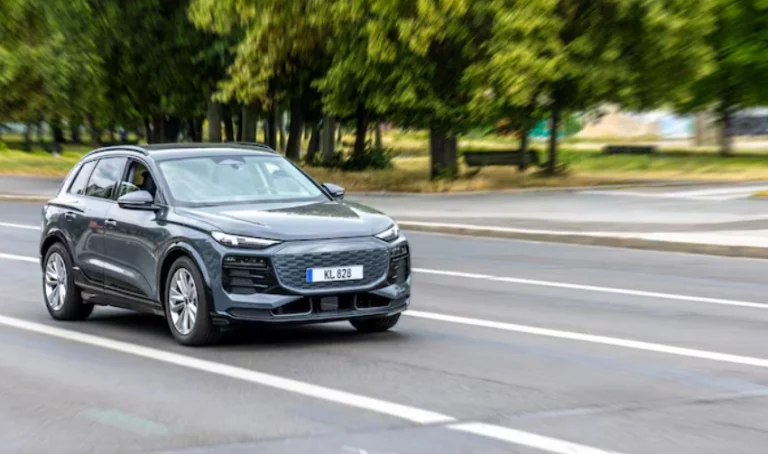

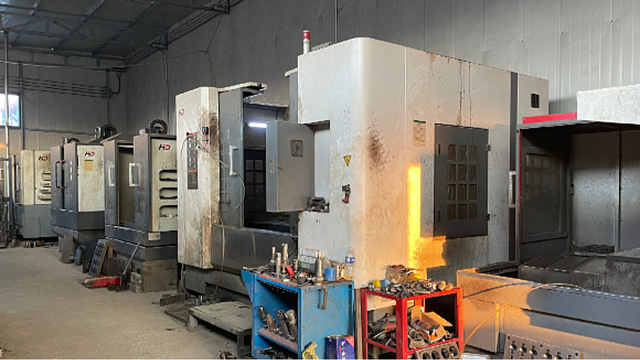
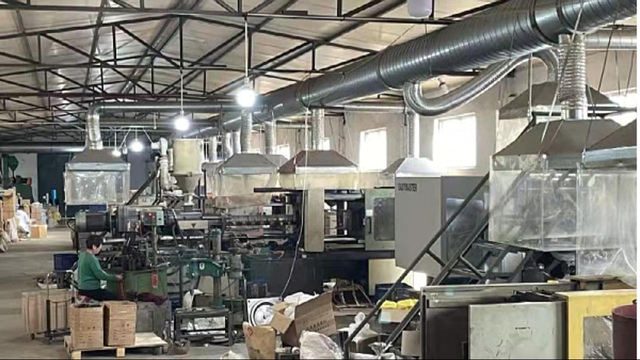
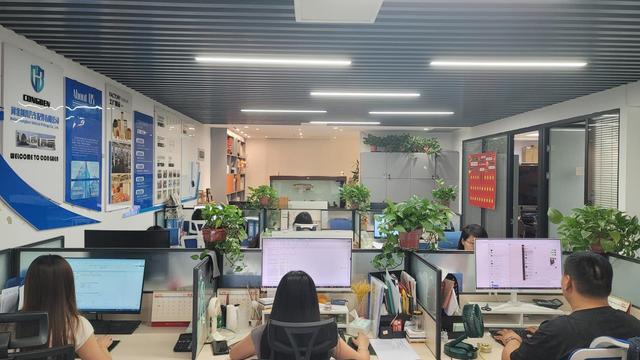
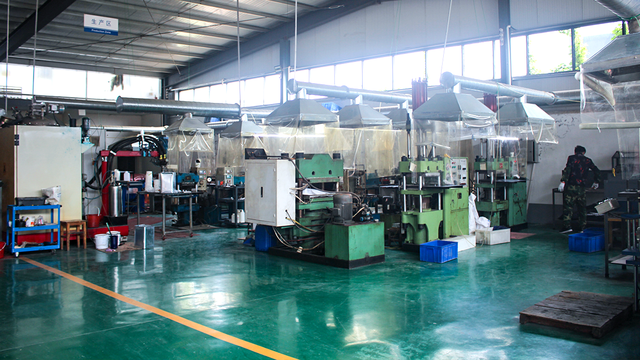
Different regions present unique environmental stresses that require tailored crankshaft pulley designs. As a global OEM and ODM provider, our technical engineering adjusts product layouts for the following demanding use-cases:
Requires heavy-duty dual-mass torsional dampers designed to handle prolonged low-RPM high-torque towing conditions typical in heavy pickup trucks and commercial utility machinery, ensuring protection against main bearing wear.
Demands highly tuned, lightweight pulleys optimized for continuous high-RPM autobahn driving. Focus is placed on minimizing accessory belt resonance and reducing rotational mass through advanced aluminum-steel composite structures.
Features corrosion-resistant surface coatings (zinc flake coating, e-coating) that easily pass 500-hour salt spray tests. Specialized anti-ozonant additives are integrated into the rubber matrix to prevent premature cracking under high heat and humidity.
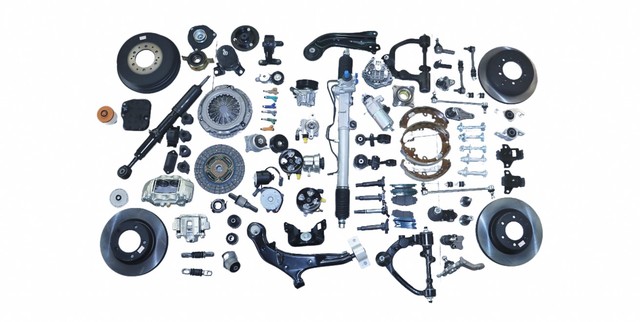
Automotive engineers cannot treat the engine in isolation. Torsional vibration from the crankshaft transfers through the block into the transmission, steering gear, and vehicle chassis. To achieve true NVH suppression, our research team offers integrated system solutions. By linking the dynamic performance of the crankshaft pulley with components like engine mounts, suspension control arms, and air springs, we ensure seamless force transmission throughout the vehicle assembly.
For instance, when an engine cycles through a start-stop sequence, the low-frequency rocking motion is managed by hydraulic engine mounts. Simultaneously, the higher frequency torsional spikes are damped at source by the crankshaft pulley. This system-wide damping paradigm minimizes structural stress across all connected fluid pipelines and steering linkages, preventing premature fatigue failure.
As vehicle architectures pivot towards electrification, the technical roadmap for crankshaft damper design is rapidly evolving:
Complete aftermarket and OEM solutions for passenger vehicles, heavy-duty trailers, and mass transport vehicles.