Partix Auto
Partix Auto
Partix Auto
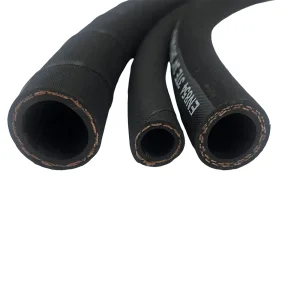
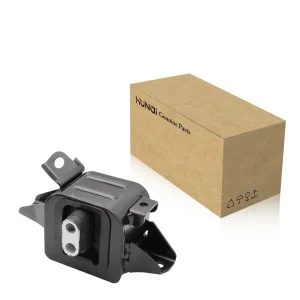
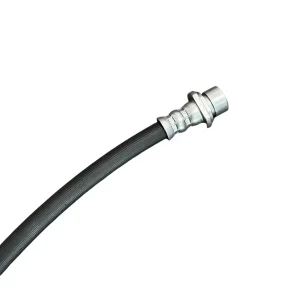
Founded in 2004, Shenzhen Partix Auto Co., Ltd. sits in Zhucheng, Shandong. This spot lies close to Weifang, known as the kite capital. Moreover, it falls within the one-hour circle around Qingdao. As a result, transportation stays easy and quick.

Today, the industry recognizes our corporation as a national high-tech company and a state-owned holding listed firm. The team pushes hard on new ideas. Because of that, Partix Auto won the title of "National Intellectual Property Demonstration Enterprise." And since 2006, experts have regularly named it among the "National Top 100 Automotive Parts Suppliers."
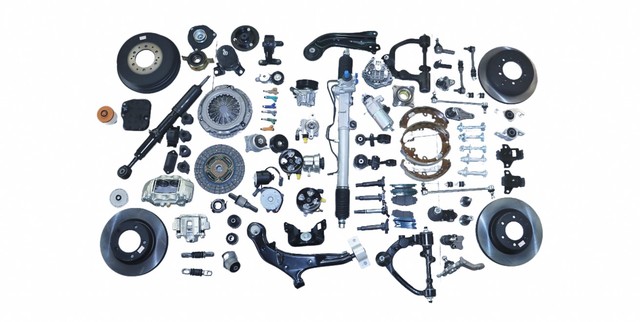
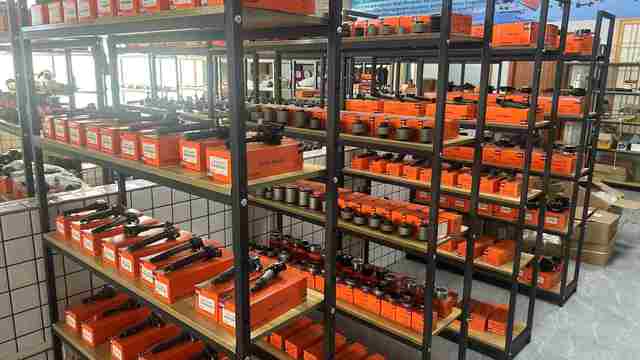
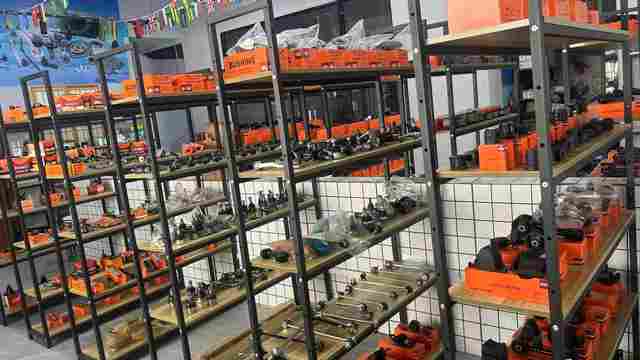
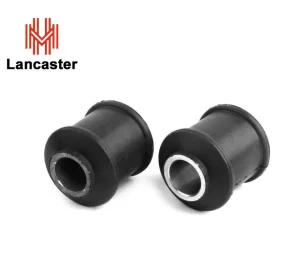
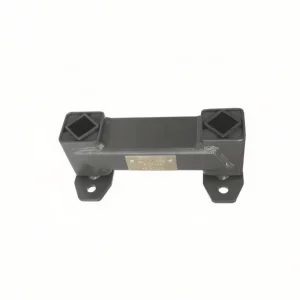
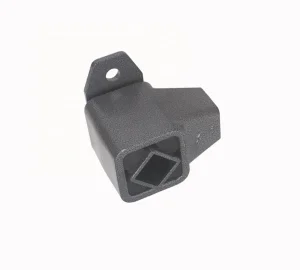
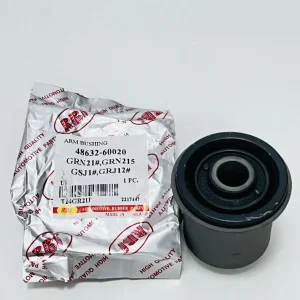
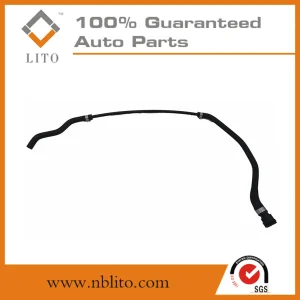
Partix Auto leads strongly in China's automotive parts field. The company mainly designs and builds top-grade fluid pipelines. It also makes car suspension systems and produces rubber parts that reduce vibration. In general, its main products include bushings, air spring products, engine mounts, fluid line system products, thrust rods, and car suspension systems. These items are widely used in passenger cars, commercial vehicles, and engineering machinery.
Partix Auto follows a clear goal: to serve automotive parts suppliers and OEM customers with high-quality solutions while creating real value. By delivering integrated system solutions, the company meets the evolving demands of global automotive partners. We continue to drive innovation in the automotive industry, turning advanced ideas into practical solutions for the future.
As internal combustion engines increase power densities and New Energy Vehicles (NEVs) demand strict battery temperature control, engine coolant hoses have evolved from simple rubber conduits into high-precision, multi-layer fluid dynamics systems.
Modern downsized turbocharged engines generate extreme under-hood temperatures reaching 150°C. Standard EPDM fails under these conditions. Next-generation systems demand peroxide-cured EPDM and high-grade silicone to maintain structural integrity over 150,000 miles.
ECD is the primary cause of modern coolant hose failure. When coolant becomes acidic, it creates a galvanic cell between metal connectors and the rubber. Partix's proprietary material science prevents micro-cracking by incorporating ECD-resistant compounds.
The automotive market has shifted to Organic Acid Technology (OAT) and Hybrid OAT (HOAT) coolants. These chemicals attack standard rubber polymers. Hoses must use complex inner liners to resist swelling, degradation, and fluid loss.
Traditional automotive hoses rely on sulfur-cured EPDM. However, the modern standard is transitioning to Peroxide-Cured EPDM reinforced with Aramid (Kevlar) or high-tensile Polyester knitting. Peroxide-cured rubber provides significantly higher cross-linking density, enhancing durability and preventing thermo-oxidative breakdown.
For applications where temperatures exceed 175°C, such as turbocharger bypasses or supercharger cooling loops, Partix Auto utilizes multi-layer VMQ (Silicone Rubber). These are fortified with fluorosilicone liners (FVMQ) to prevent oil mist penetration, ensuring structural stability under continuous stress.
With electric vehicle (EV) architectures shifting toward 800V super-charging, cooling battery packs has become a primary engineering challenge. EV cooling loops utilize intricate, branched cooling lines featuring integrated PA12 Quick Connectors and flow restriction valves.
These assemblies require tight tolerance molding, high-flexibility, and flame-retardant properties (UL94 V-0 ratings). Shenzhen Partix Auto designs and exports integrated BTMS hose harnesses that distribute heat away from battery modules, maintaining operational safety and preventing thermal runaway.
Every application demands unique specifications. Below is how Shenzhen Partix Auto designs systems for diverse industrial challenges.
Commercial trucks operate under heavy loads for millions of miles. Our heavy-duty radiator hoses use multi-ply reinforcement architectures to resist severe vibrations, high pressures, and chemical deterioration over millions of continuous duty cycles.
Passenger car space constraints demand highly complex, molded-to-shape cooling lines. We utilize robotic molding systems to form custom-shaped 3D bent hoses that fit inside crowded engine bays while minimizing pressure drop and flow turbulence.
Off-road machinery works in dust, mud, and extreme temperature swings. Hoses in these environments must have abrasion-resistant outer covers and superior ozone resistance to ensure long-term durability outdoors without drying or cracking.
Detailed technical insights for global supply chain procurement managers and automotive systems engineers.
Historically, sulfur-cured EPDM (Ethylene Propylene Diene Monomer) was the industry standard. However, because modern engines operate at higher internal temperatures and utilize aggressive coolants (OAT), the market has shifted toward peroxide-cured EPDM. For higher temperature applications (175°C to 250°C), turbocharger loops, or electric vehicle battery systems requiring advanced thermal insulation, high-grade VMQ (Silicone Rubber) reinforced with Nomex (Aramid) is preferred.
Electrochemical Degradation (ECD) happens when the hose, coolant, and engine's metal fittings create a galvanic cell. This creates micro-currents that break down the internal polymer structure of the rubber hose. The rubber develops microscopic cracks that expand under pressure, eventually causing the hose to rupture. To prevent this, Partix Auto uses specialized ECD-resistant EPDM compounds that act as electrical insulators, halting the galvanic chemical reaction.
The reinforcement braid gives the hose its burst pressure strength. Polyester reinforcement is cost-effective and suitable for standard heating and cooling applications up to 125°C. Aramid (Kevlar/Nomex) is used when temperature demands exceed 150°C and pressures rise above 4-5 Bar. Aramid maintains its tensile strength under extreme heat, preventing the hose from swelling, thinning, and bursting over long-term use.
OEM and Tier-1 automotive sourcing requires manufacturers to hold IATF 16949 (Quality Management System for Automotive Industry), which is far more stringent than standard ISO 9001. Other crucial certifications include ISO 14001 for environmental management and ISO 45001 for occupational health. Additionally, hoses must pass SAE J20 (for coolant hoses) and Class A heat-resistance tests.
For custom-shaped molded hoses, the process begins with CAD analysis and FEA simulations (3-5 days). Once design is approved, aluminum tooling is fabricated within 15-20 days. Prototype samples are then supplied for testing. After validation, standard production lead time is 25-35 days, depending on batch volume.
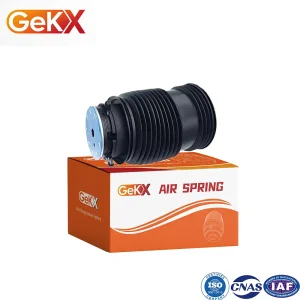
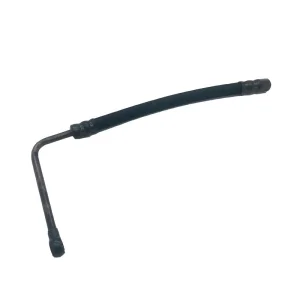
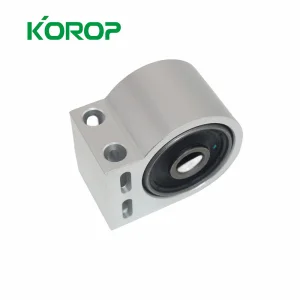
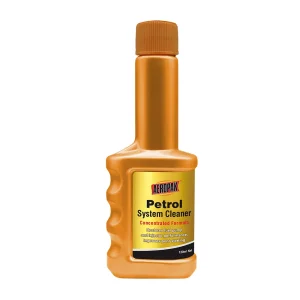
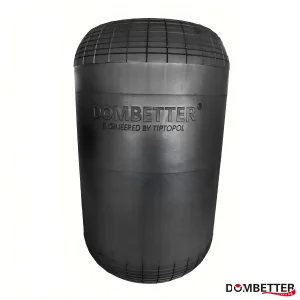
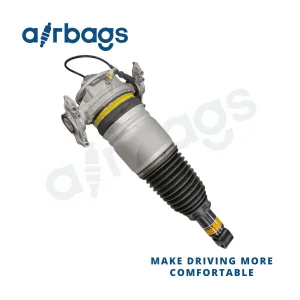
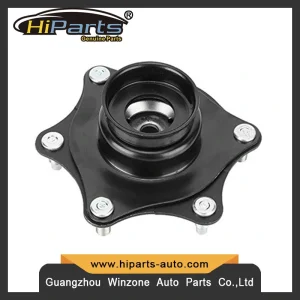
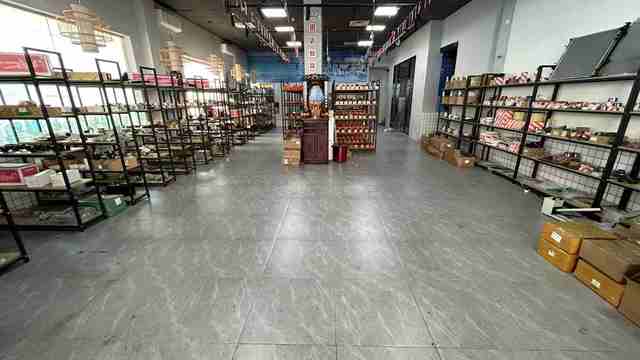
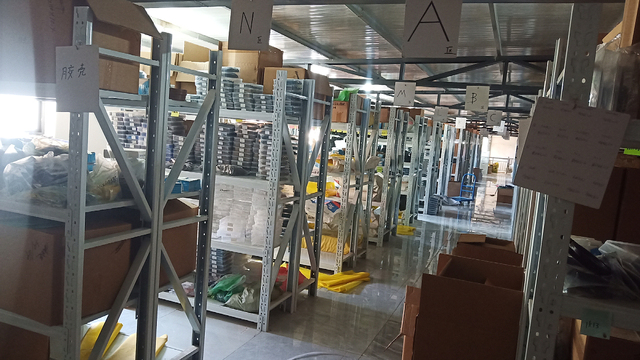
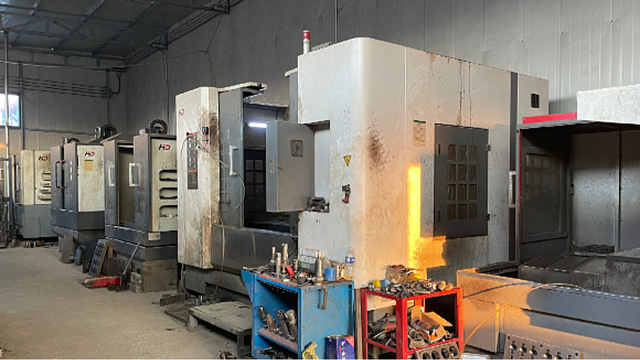
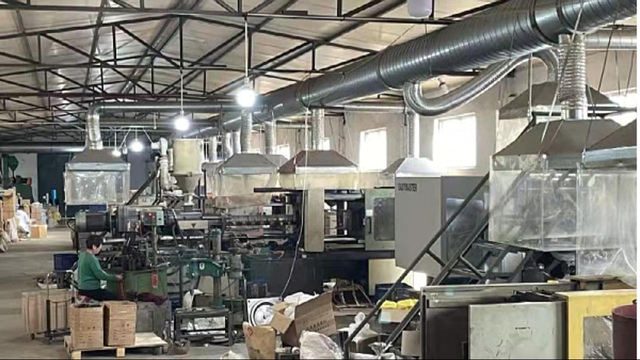
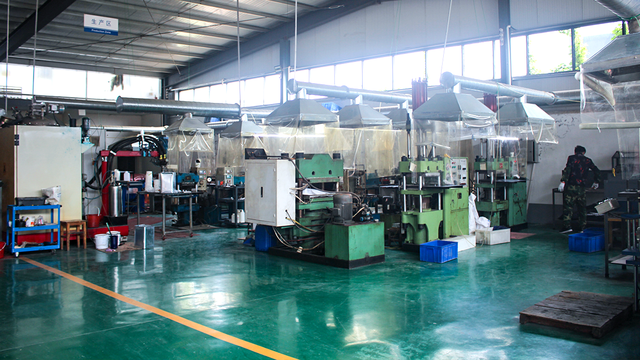
Our high-tech manufacturing facilities house automated rubber extrusion lines, high-speed braiding machines, vulcanizing autoclaves, and rigorous testing setups to satisfy strict OEM requirements.