Partix Auto
Partix Auto
Partix Auto
Explore our high-performance product range engineered for extreme automotive thermal management, fluid systems, and chassis suspension resilience.
The exhaust manifold serves as the primary gateway within an internal combustion engine's (ICE) exhaust subsystem. Responsible for collecting extreme-temperature combustion gases from individual cylinders and routing them efficiently into the catalytic converter and turbocharger, this component undergoes severe thermal cycling, vibrational stresses, and oxidative atmospheres. As international emission frameworks (such as Euro 6d, EPA Tier 3, and China VI) grow increasingly rigid, the global exhaust manifold manufacturing landscape is shifting rapidly. The industry is transitioning from legacy thick-walled cast iron designs to highly engineered, thin-walled stainless steel fabricated manifolds and integrated turbo-manifold assemblies.
This macro-industrial migration demands close collaboration between steel metallurgists, casting specialists, and vibration-control system engineers. For global procurement officers and Tier 1 system integrators, selecting qualified exhaust manifold manufacturers involves evaluating a supplier's capability in finite element thermal analysis, advanced alloy science, and robotic gas metal arc welding (GMAW). Strategic alignment in these areas ensures optimized backpressure control, reduced thermal inertia, and component durability over 150,000-mile vehicle life spans.
Components must withstand temperature gradients fluctuating from ambient sub-zero conditions up to 1050°C in modern high-boost turbocharged systems without fracturing.
Usage of high-nickel SiMo ductile iron or premium grades of ferritic/austenitic stainless steel (such as 1.4509 or 1.4828) to resist oxidation and scale shedding.
Advanced CAD/CFD fluid modeling optimizes runner lengths and merging angles, converting exhaust pulses into kinetic energy to drive turbocharger impellers.
To provide clear value and information gain for engineering decisions, the table below highlights the performance envelopes of the predominant metallurgical options used by leading global exhaust manifold suppliers:
| Material Type | Common Grade Standards | Peak Temperature Rating | Primary Fabrication Method | Advantage / Primary Application |
|---|---|---|---|---|
| Ductile Iron (SiMo) | EN-GJS-XSiMo5-1 | Up to 820°C | High-Pressure Sand Casting | Outstanding cost-to-performance ratio; standard on commercial heavy-duty trucks. |
| Ferritic Stainless Steel | SUS 409L / 1.4512 | Up to 900°C | CNC Tube Bending & Robotic Welding | Lower thermal expansion coefficients; optimal for passenger car underbody systems. |
| Austenitic Stainless Steel | SUS 304 / 321 / 1.4828 | Up to 1000°C | Sheet Metal Stamping & Hydroforming | Superior corrosion and high-temperature creep resistance; suited for performance turbos. |
| Nickel-Alloy Cast Steel | 1.4837 / 1.4848 (HK Series) | Up to 1050°C+ | Investment / Lost Foam Precision Casting | High creep rupture strength; utilized in integrated manifold-turbocharger housings. |
In addition to material selection, the processing technology used by manufacturers is a key differentiator. Advanced fabrication centers utilize automated tube-bending machines, high-frequency induction heating, and dual-pulse robotic welding cells to prevent micro-cracks in weld seams. Precision leak-testing (via helium mass spectrometry or dry-air pressure decay) is mandatory for 100% of finished assemblies to prevent raw exhaust emissions from escaping prior to catalytic processing.
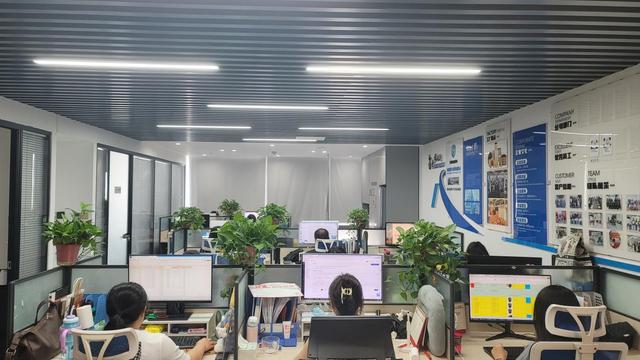
To understand the manufacturing scale required for precision automotive components, it is valuable to look at industry leaders. Shenzhen Partix Auto Co., Ltd. sits in Zhucheng, Shandong. This spot lies close to Weifang, known as the kite capital. Moreover, it falls within the one-hour circle around Qingdao. As a result, transportation stays easy and quick.
People founded Partix Auto back in 2004. Today, others see it as a national high-tech company. It also counts as a state-owned holding listed firm. The team pushes hard on new ideas. Because of that, Partix Auto won the title of "National Intellectual Property Demonstration Enterprise." And since 2006, experts have regularly named it among the "National Top 100 Automotive Parts Suppliers."


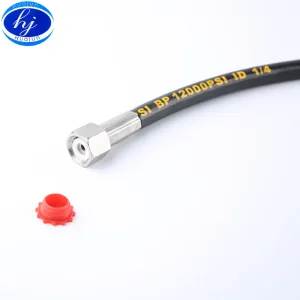
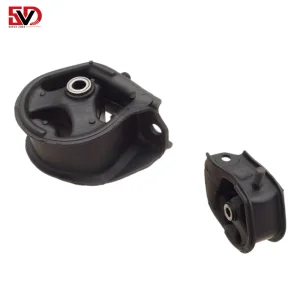
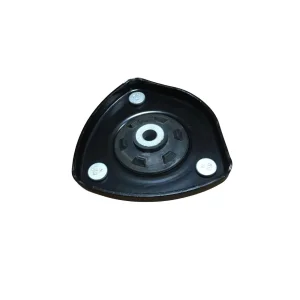
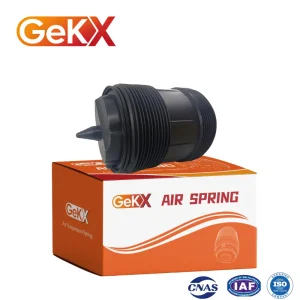
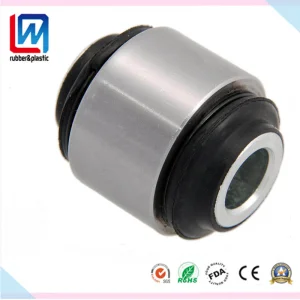
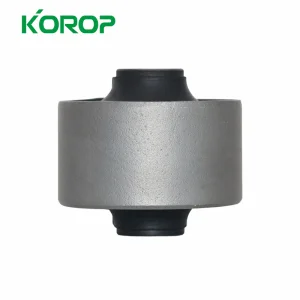
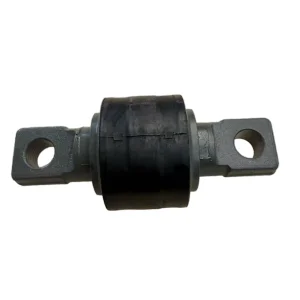
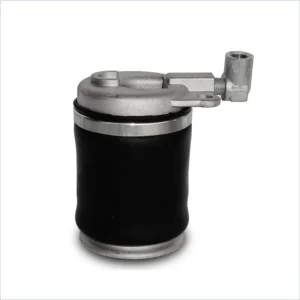
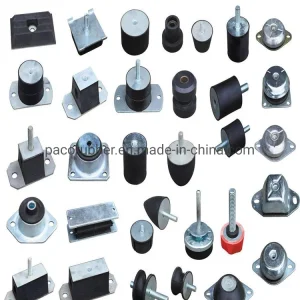
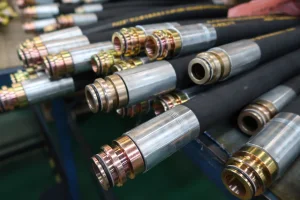
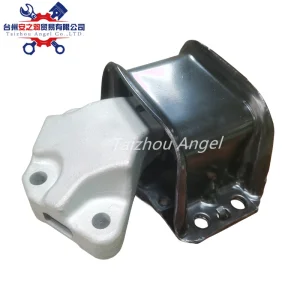
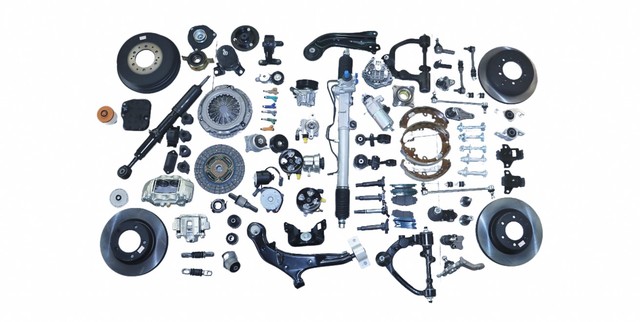
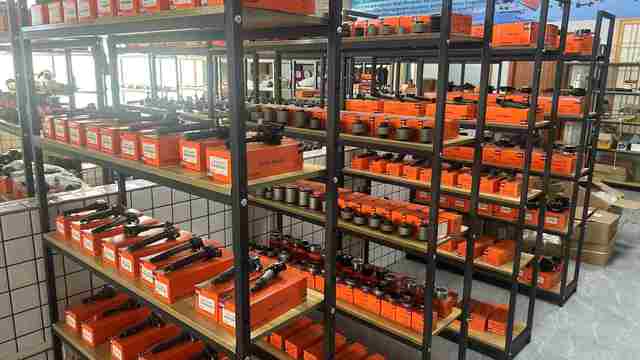
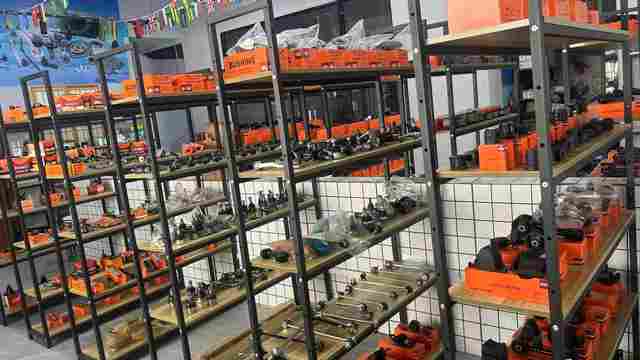
Partix Auto leads strongly in China's automotive parts field. The company mainly designs and builds top-grade fluid pipelines. It also makes car suspension systems and produces rubber parts that reduce vibration. In general, its main products include bushings, air spring products, engine mounts, fluid line system products, thrust rods, and car suspension systems. These items are widely used in passenger cars, commercial vehicles, and engineering machinery.
Partix Auto follows a clear goal: to serve automotive parts suppliers and OEM customers with high-quality solutions while creating real value. By delivering integrated system solutions, the company meets the evolving demands of global automotive partners. We continue to drive innovation in the automotive industry, turning advanced ideas into practical solutions for the future.

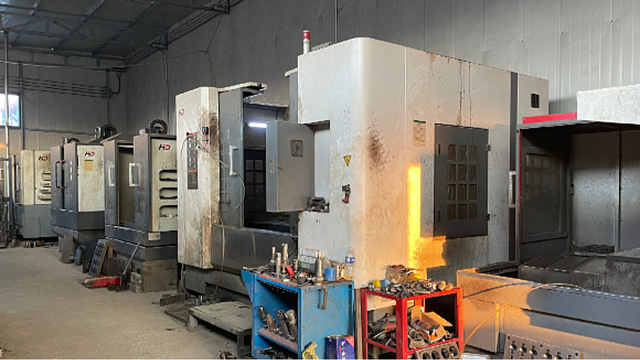
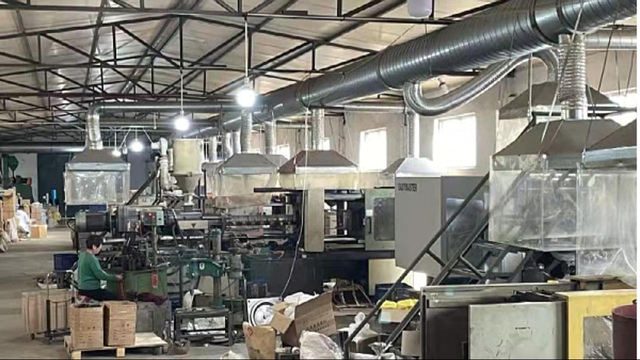
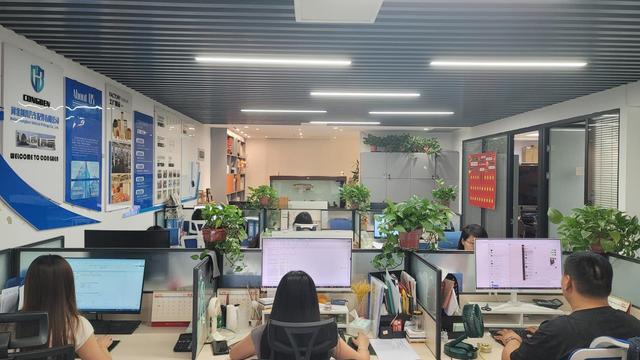
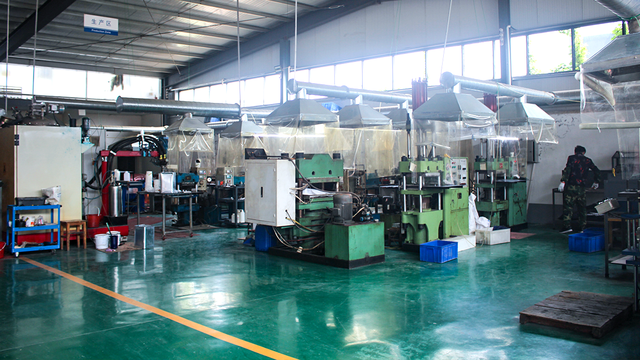
When selecting strategic partners for engine exhaust system integration, purchasing directors evaluate technical engineering, regional production capabilities, and OEM reference programs. Below is an overview of the ten leading global manufacturers and suppliers in the automotive and commercial vehicle exhaust manifold market:
A key engineering challenge in exhaust system design is thermal growth. Exhaust manifolds can expand by up to 5mm relative to the engine block under peak thermal loads. This expansion creates significant strain on the engine mounts and exhaust hangers. Without proper isolation, these thermal forces can translate into high-frequency cabin noise and structural fatigue across the exhaust run.
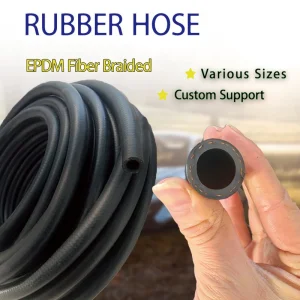
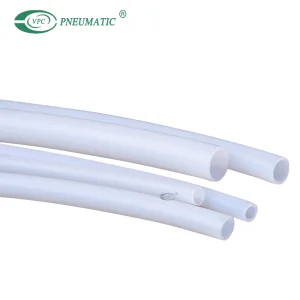
This is where structural partners like Shenzhen Partix Auto Co., Ltd. provide essential value. By engineering high-temperature rubber-to-metal bushings, engine mounts, and flexible EPDM coolant/transfer lines, Partix Auto protects the exhaust hot-end from engine-induced vibrations. Integrated isolation strategies help prevent weld failures at the runner connections, allowing the exhaust manifold to function reliably throughout the vehicle's lifespan.
The transition toward hybrid-electric vehicles (HEVs) presents new challenges for exhaust hot-end design. In hybrid applications, the internal combustion engine cycles on and off repeatedly during a single drive cycle. This frequent cycle leads to rapid cooling of the catalytic converter and exhaust manifold, increasing the risk of thermal shock and compromising emission control during cold starts.
To address this, next-generation manifolds incorporate air-gap insulation, double-walled tubes, and integrated heating elements. These technologies help keep the exhaust gas at high temperatures even during engine-off phases. Leading suppliers are aligning their research and development roadmaps with these requirements to support environmental compliance (such as Euro 7 and CARB regulations) and ensure optimal performance in hybrid drivetrains.
Answers to common engineering questions regarding exhaust manifold design, materials, and failure prevention.
Explore our high-pressure hydraulic components, shock absorbers, and specialized high-temperature lines for industrial applications.