Partix Auto
Partix Auto
Partix Auto
High-end components designed to support turbocharger systems, fluid lines, and structural suspension integrity in high-stress industrial applications.
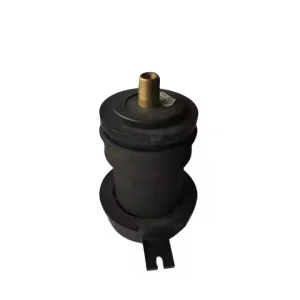
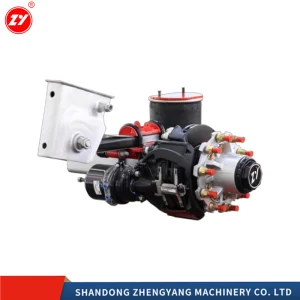
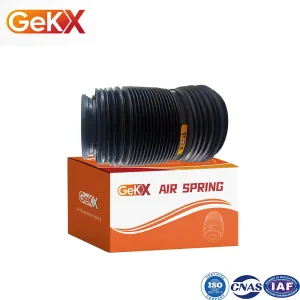
Factory Direct Sale Top Quality 34852-00100 P3485200100 Cabin Suspension Air Spring for Trucks
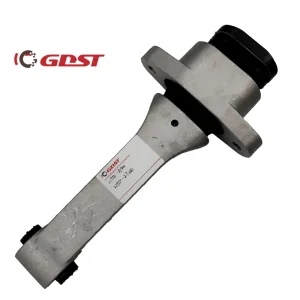
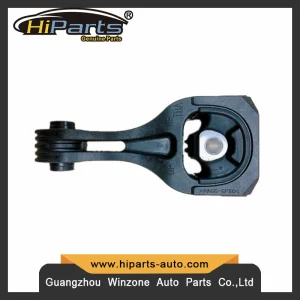
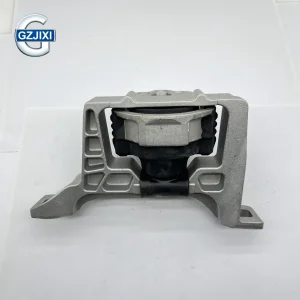
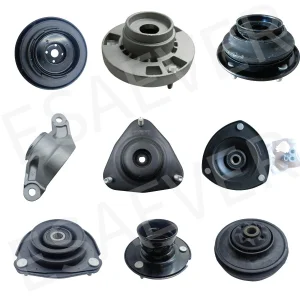
50890-Tba-A82 50890-Tbc-A81 50890-Tba-A81 Transmission Mounting for Honda Civic Engine Mount
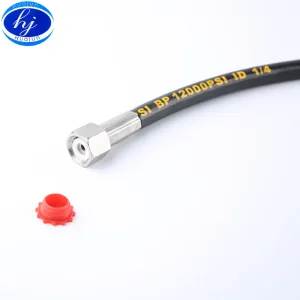
The global automotive and industrial manufacturing landscape is undergoing a massive shift. While electrification progresses, the combustion engine is being re-engineered for ultra-high efficiency. Central to this performance renaissance is the turbocharger. However, a turbocharger cannot operate in isolation. The extreme thermal environments, high exhaust pressures, and severe vibration dynamics require a highly engineered ecosystem of secondary components. From high-pressure braided oil feed lines to fluid-filled structural mounts, the reliability of a turbocharged system depends on peripheral durability.
Engine downsizing—substituting larger naturally aspirated engines with smaller, highly turbocharged units—imposes unprecedented mechanical stresses. In modern layouts, under-hood temperatures frequently exceed 200°C. Standard elastomeric hoses, structural mounts, and sealing systems fail rapidly under these conditions. Consequently, tier-one manufacturers must shift toward advanced materials such as fluorosilicone (FMQ), polytetrafluoroethylene (PTFE), and complex hydraulic damping assemblies. This whitepaper analyzes how Chinese engineering and manufacturing facilities are scaling up to supply these critical components to global assembly lines.
Global emission standards (such as Euro 7 and EPA regulations) demand tight control over hydrocarbon blow-by, crankcase ventilation, and exhaust aftertreatment. To meet these targets, developers focus on three core areas for turbocharger-related components:
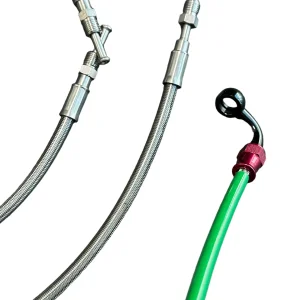
Standard EPDM rubber hoses degrade quickly under thermal stress. Synthetic PTFE, wrapped in 304 stainless steel braid, maintains structural integrity at continuous temperatures up to 260°C. This makes it the industry standard for high-pressure turbocharger oil supply lines and hydraulic brake fluid delivery under severe loads.
Global procurement teams prioritize strict compliance with international manufacturing certifications. Industrial buyers in Europe and North America require suppliers to hold IATF 16949 certification, ensuring consistent production quality. Modern supply chains also require clean traceable sourcing, material reports (IMDS mapping), and automated testing data.
Beyond certifications, cost-efficiency remains a priority. The modern procurement model focuses on Total Cost of Ownership (TCO), balancing product cost with service life and warranty claims. Partnering with suppliers that offer in-house tool design, rapid prototyping, and automated production helps buyers reduce product development times and accelerate market entry.
At the center of this industrial landscape is Shenzhen Partix Auto Co., Ltd., located in Zhucheng, Shandong. The facility is close to Weifang (the kite capital) and lies within the one-hour logistics circle of Qingdao Port, ensuring fast and efficient global shipping.
Founded in 2004, Partix Auto is a state-owned holding listed company and a recognized national high-tech enterprise. Focused on engineering innovation, the company holds the title of "National Intellectual Property Demonstration Enterprise" and has been named one of the "National Top 100 Automotive Parts Suppliers" since 2006.
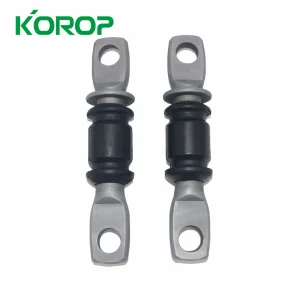
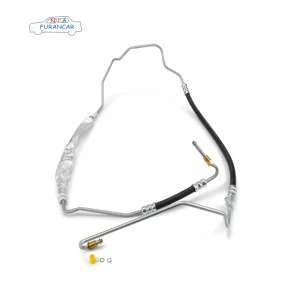
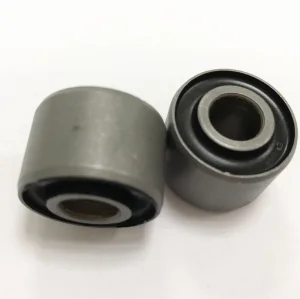
Partix Auto manufactures high-grade fluid pipelines, vehicle suspension systems, and rubber vibration-damping parts. Its primary portfolio includes bushings, air springs, engine mounts, fluid line systems, thrust rods, and vehicle suspension systems. These components are widely used in passenger cars, commercial vehicles, and heavy industrial machinery.
The company focuses on serving automotive parts suppliers and OEM customers with high-quality solutions, delivering integrated systems that meet the performance requirements of global partners.


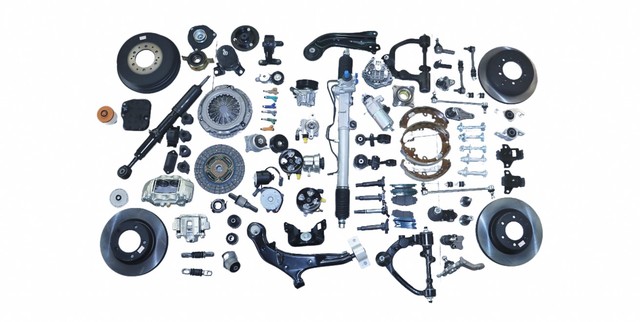
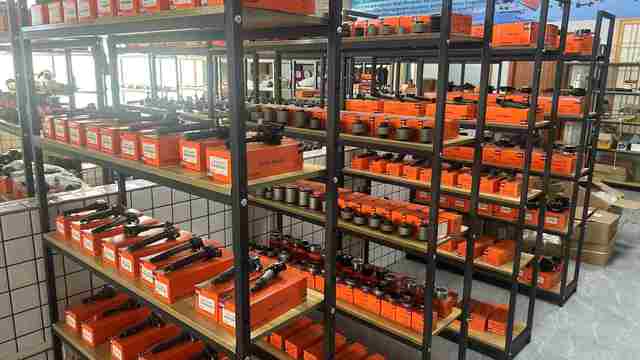

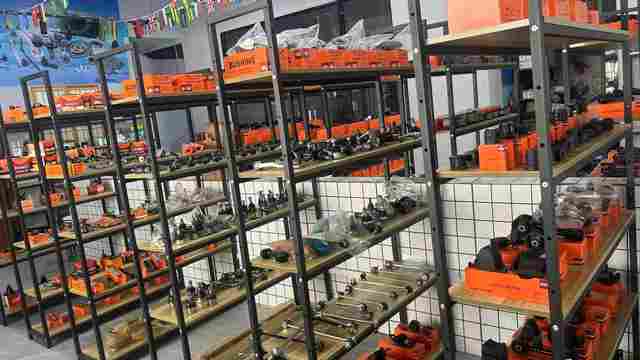
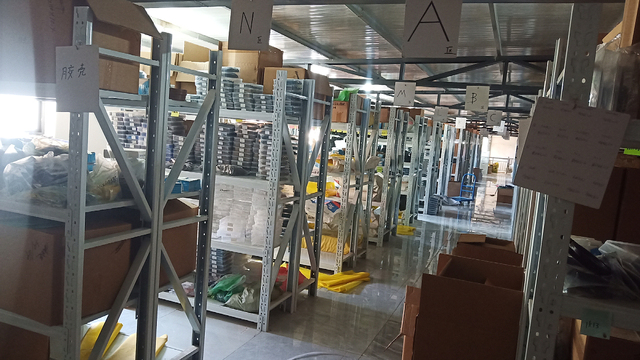
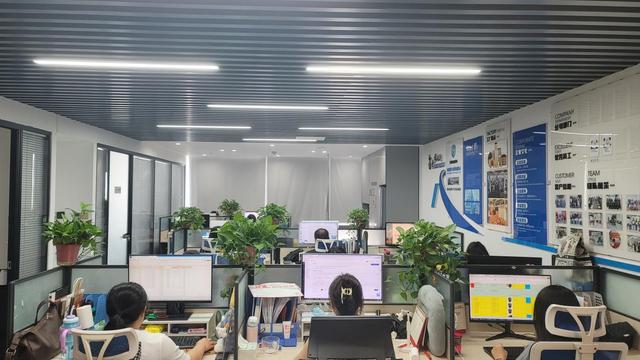
Our engineered solutions are deployed globally across diverse operational environments. Below are typical use-case scenarios where our high-performance components deliver long-term service life:
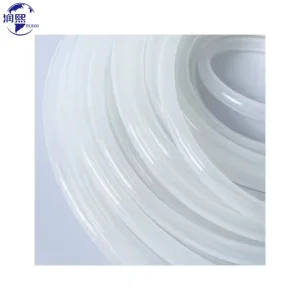
Heavy-duty trucks operating under high loads generate significant thermal stress near the turbocharger. Standard cooling hoses degrade rapidly in these conditions. By utilizing custom high-temperature silicone cooling hoses and multi-layered PA11/PA12 fuel lines, fleet operators report a 35% reduction in hose failures and downtime.
Modern passenger cars use downsized, turbocharged engines that generate distinct vibration frequencies. Using hydraulic engine mounts helps absorb these forces, improving cabin comfort and preventing mechanical fatigue in surrounding components.
Agricultural and off-road applications run in high-dust and high-moisture environments. Using hot-dip galvanized fuel burning systems and custom rubber-metal bonded bushings protects internal components against corrosion, ensuring reliable operation under tough field conditions.
PTFE offers excellent thermal resistance (up to 260°C) and chemical stability. It resists degradation from hot engine oil, fuel blends, and additives, while its low friction coefficient ensures consistent fluid flow, preventing deposit build-up.
Solid rubber mounts use elastomeric damping to isolate vibration. Hydraulic engine mounts integrate an internal fluid chamber that flows through throttle orifices. This design allows them to adapt to different vibration frequencies, damping both high-amplitude engine movements and low-amplitude road noise.
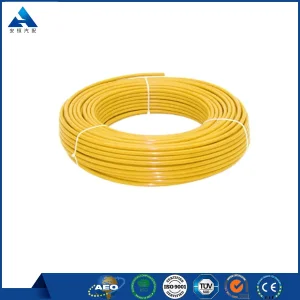
PA11 and PA12 provide high impact resistance at low temperatures, low permeability to fuels, and excellent resistance to zinc chloride and other road salts. They meet automotive standards for light weight, flexibility, and long service life.
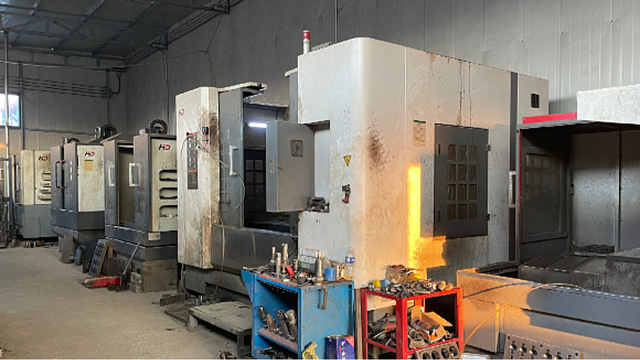
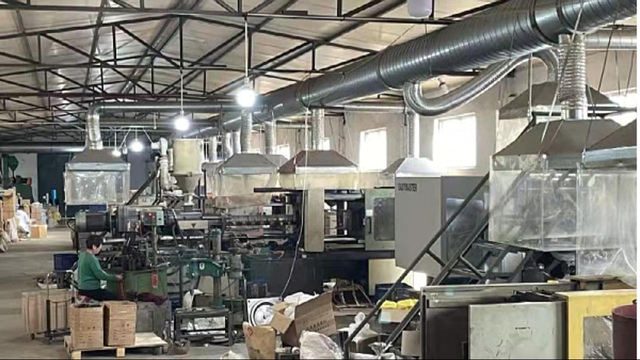
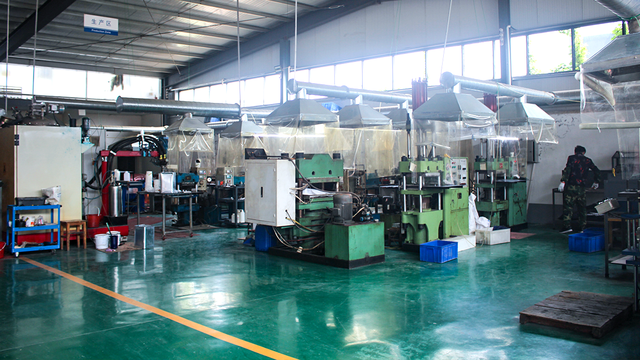
Partix Auto operates under an IATF 16949 quality management framework. The facility uses computerized rubber compound testing, automated extrusion monitoring, robotic welding, and dynamic fatigue testing to ensure all parts meet OEM specifications.
High-performance silicone, nylon, and rubber components engineered for severe operating environments and demanding industrial applications.