Partix Auto
Partix Auto
Partix Auto
Explore our specialized heavy-duty components and suspension integration products engineered for maximum durability and reliability.
The modern automotive and industrial landscape is undergoing a critical transformation. As heavy commercial vehicles, agricultural machinery, and electric vehicles (EVs) shift toward higher power density and massive peak torque outputs, the demands placed on the driveline system have reached an all-time high. The axle shaft—the primary component responsible for transmitting rotational energy from the differential to the wheel hubs—is at the epicenter of this technological shift.
Achieving structural reliability while reducing unsprung mass is the central challenge for contemporary engineering teams. Custom OEM axle shaft manufacturers must balancing high-fatigue life with weight-saving geometry. Through advanced metallurgical selection (such as high-grade 40Cr, 42CrMo, or 8260 steel alloys) and strict heat treatment parameters, modern axle shafts are engineered to withstand extreme torsional loads, shock stresses, and environmental corrosives without failure.
From a global supply chain perspective, procurement directors are increasingly moving away from off-the-shelf driveline components. Standard parts struggle to satisfy the specific noise, vibration, and harshness (NVH) requirements or complex spline layouts of customized gearboxes. Partnering with a vertically integrated OEM axle shaft factory ensures custom tolerances, proprietary induction hardening profiles, and verified fatigue lifespans designed to align perfectly with specific vehicle chassis architectures.
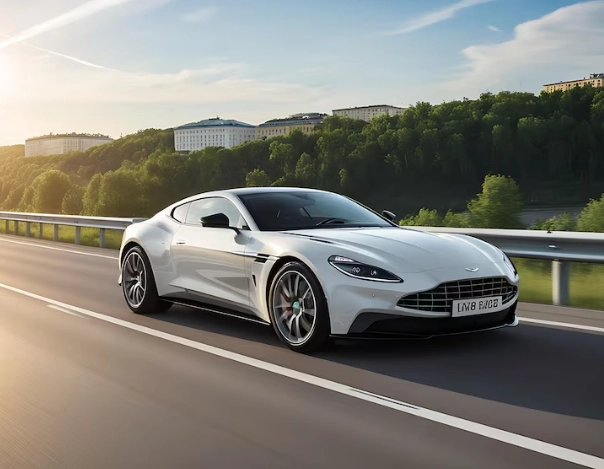
We deploy state-of-the-art metallurgy, multi-axis CNC machining, and automated induction hardening systems to ensure every shaft meets the most rigorous performance limits.
We source premium grade alloy steels like 40CrMo and 42CrMo, maintaining meticulous controls on sulfur and phosphorus impurities. This ensures uniform carbon distribution, preventing internal micro-cracks during high-torsion duty cycles.
Utilizing high-frequency induction scanners, we apply targeted thermal treatment to achieve a case hardening depth of 3.5mm to 6.0mm. The core remains ductile to absorb shock loads, while the outer shell gains extreme wear resistance.
We execute spline forming through advanced cold-rolling processes rather than traditional cutting. This cold-working flow preserves the steel grain orientation, increasing tooth fatigue limit by up to 35% under cyclic loads.
Our custom OEM axle shafts are not limited to standard passenger vehicles. We engineer systems that support heavy duty applications globally, tailoring product parameters to the demands of specific environmental and mechanical profiles.
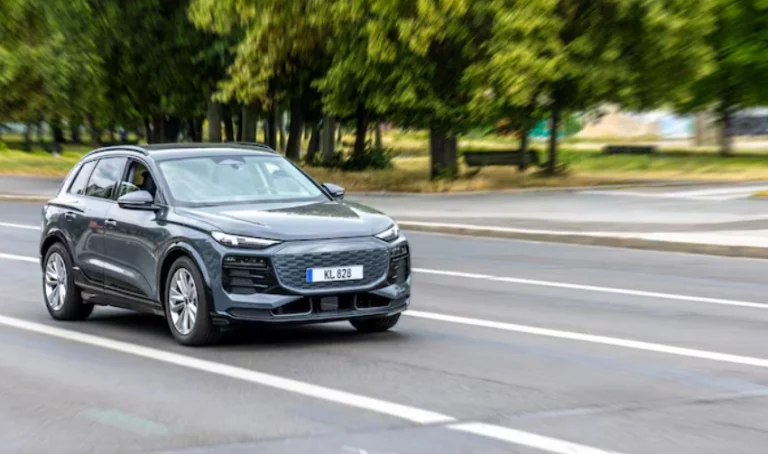
Learn more about our manufacturing centers and engineering credentials that establish us as a world-class OEM supplier.
Shenzhen Partix Auto Co., Ltd. sits in Zhucheng, Shandong. This spot lies close to Weifang, known as the kite capital. Moreover, it falls within the one-hour circle around Qingdao. As a result, transportation stays easy and quick.
People founded Partix Auto back in 2004. Today, others see it as a national high-tech company. It also counts as a state-owned holding listed firm. The team pushes hard on new ideas. Because of that, Partix Auto won the title of “National Intellectual Property Demonstration Enterprise.” And since 2006, experts have regularly named it among the “National Top 100 Automotive Parts Suppliers.”
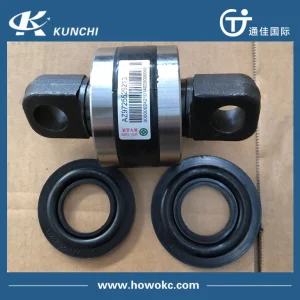
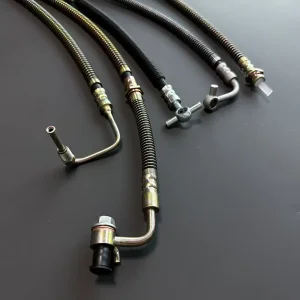
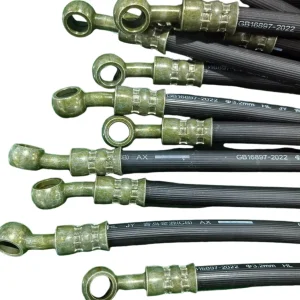
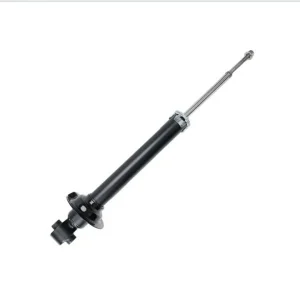
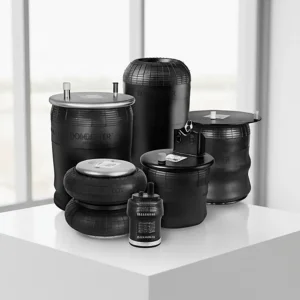
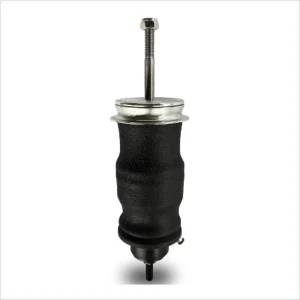
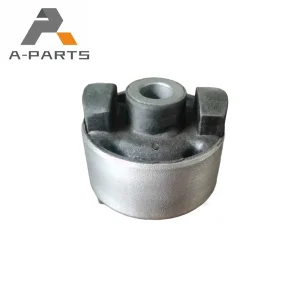
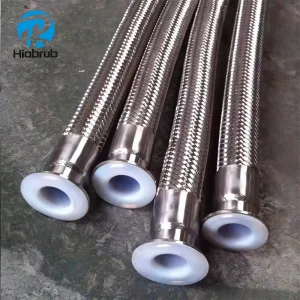
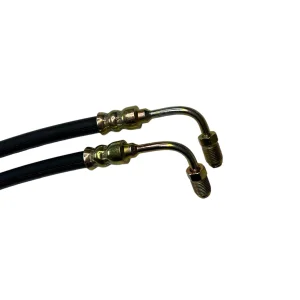
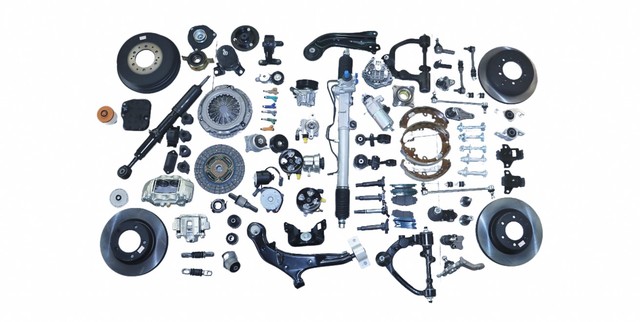
Partix Auto leads strongly in China’s automotive parts field. The company mainly designs and builds top-grade fluid pipelines. It also makes car suspension systems and produces rubber parts that reduce vibration. In general, its main products include bushings, air spring products, engine mounts, fluid line system products, thrust rods, and car suspension systems. These items are widely used in passenger cars, commercial vehicles, and engineering machinery.
Partix Auto follows a clear goal: to serve automotive parts suppliers and OEM customers with high-quality solutions while creating real value. By delivering integrated system solutions, the company meets the evolving demands of global automotive partners.
We continue to drive innovation in the automotive industry, turning advanced ideas into practical solutions for the future.
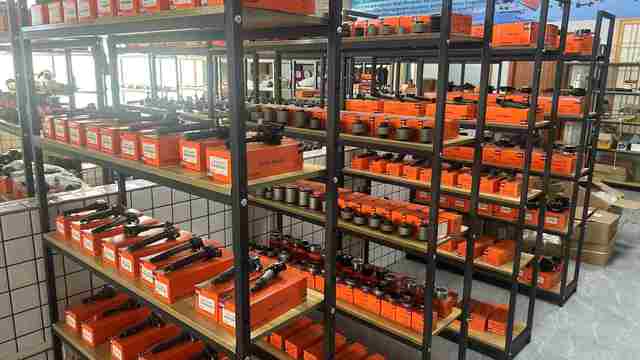
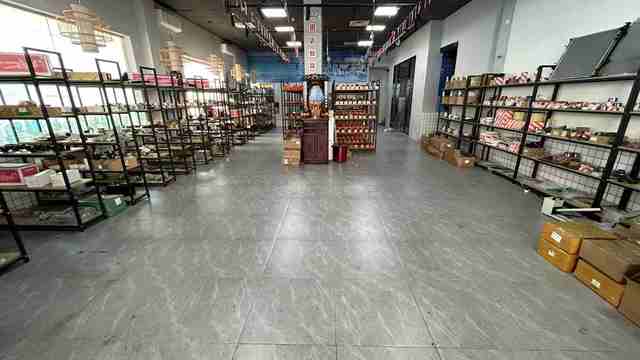
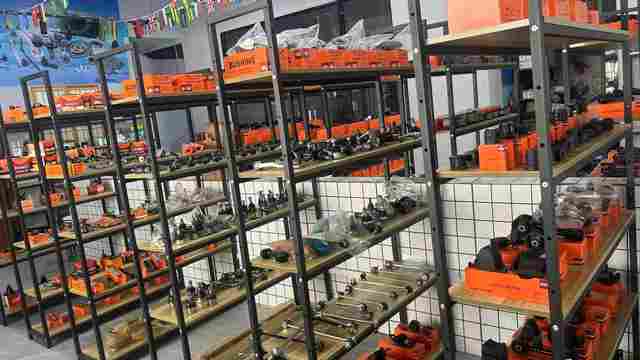
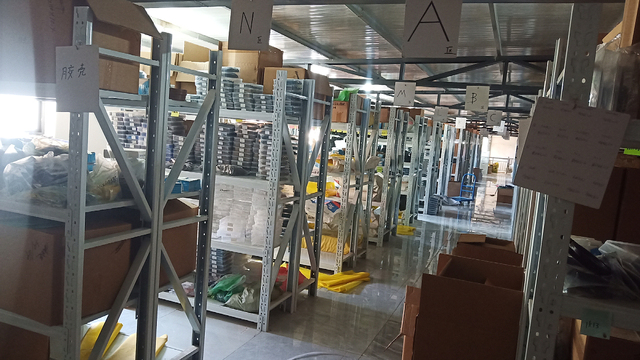
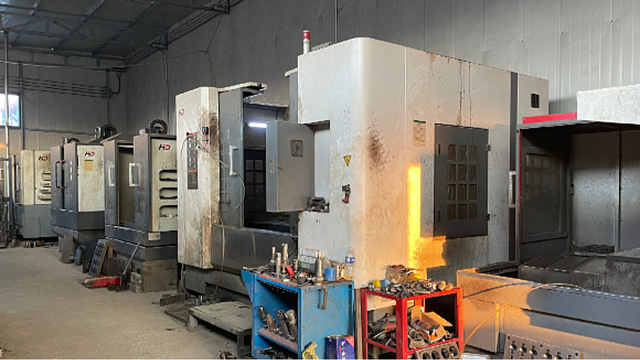
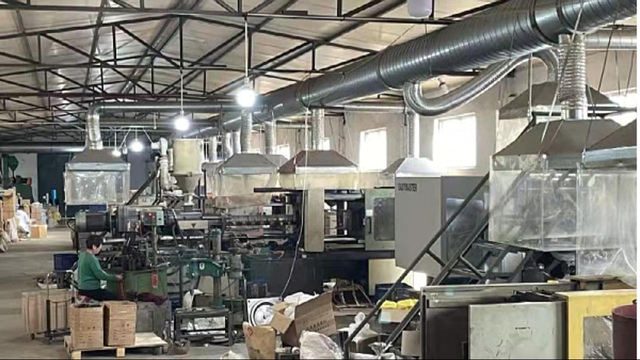
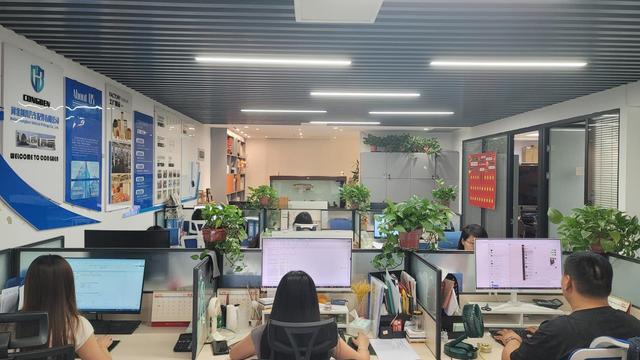
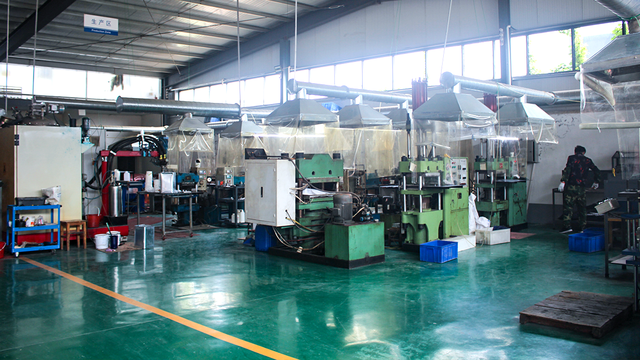
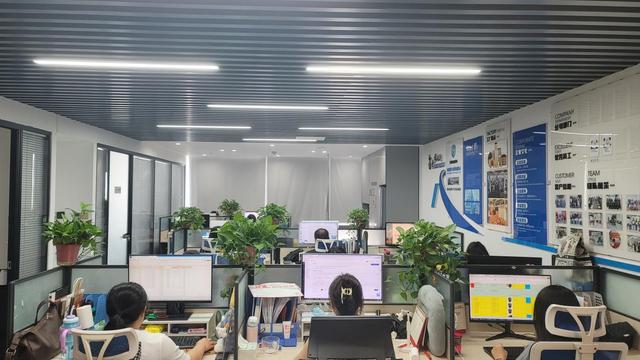
Navigating the complex waters of international trade requires more than just high-quality manufacturing; it demands strict compliance with global certifications and standards. As a certified OEM exporter, we ensure all products comply with target market specifications, including SAE J1401, DOT certification, and standard ISO systems. This allows our products to clear custom checkpoints globally without dynamic latency issues.
By situating our central production plant in Zhucheng, Shandong, within a 1-hour logistics loop of the major deep-water terminal at Qingdao, we optimize container transport logistics, decrease lead times, and significantly lower ocean freight costs for our buyers. For global partners in Europe, the Americas, and Southeast Asia, this logistical proximity provides a key competitive advantage in maintaining lean inventory operations.
Every batch of custom OEM axle shafts undergoes a multi-point engineering validation sequence prior to dispatch. We carry out critical testing to guarantee performance under real-world pressure:
As technology marches forward, Partix Auto continues to research and integrate next-generation raw materials and manufacturing methods to lead the driveline industry.
To meet the weight-reduction initiatives of commercial transport manufacturers, we are developing hollow axle shaft lines. These will reduce unsprung weight by up to 25% while maintaining torsional properties through internal heat treatment processing.
Testing titanium-alloy and carbon-fiber hybrid shaft designs to handle extreme torque spikes characteristic of battery electric vehicle platforms, mitigating rotational inertia and maximizing range.
Deploying machine-learning software at the CNC machining phase to build digital twins for custom shaft designs, predicting exact wear cycles before the physically engineered shaft is installed on the vehicle chassis.
Answers to complex engineering questions surrounding OEM axle shaft production, customization processes, and global exporting.
A: We select materials based on the specific load, speed, and environment requirements of your vehicle chassis. Typically, we use 40Cr and 42CrMo for heavy-duty commercial axle shafts, and medium carbon steel or custom alloys for light-duty chassis. Each choice is verified by metallurgical analysis to match structural design requirements.
A: Induction hardening concentrates thermal energy on the outer layers of the shaft, creating a hardened surface case. This hard surface provides high wear and torsion fatigue limits, while the core remains ductile. This prevents the shaft from fracturing under sudden shock torque peaks, ensuring overall durability.
A: Yes, we utilize CNC rolling and machining lines that can adapt to custom spline specifications, including DIN, JIS, SAE, and other custom spline styles. Simply share your CAD models or detailed specifications for custom setups.
A: Our factory sits in Zhucheng, Shandong, within a 1-hour drive of Qingdao port. Standard sample runs take 15 to 30 days, while large-scale production runs generally ship within 45 days. We provide direct FOB, CIF, or DDU ocean/air cargo options depending on customer demands.
A: While SAE J1401 and DOT certifications strictly apply to our fluid pipeline systems, we employ the same strict quality metrics on our drivetrain products. We carry out 100% magnetic particle testing, ultrasonic inspection, and dynamic torsional stress simulation on our axle shafts to prevent premature failures in critical applications.
A: Yes, Partix Auto specializes in fluid line systems and rubber vibration-reduction parts. We design and deliver custom rubber mounts, thrust rod cores, bushings, and air springs to complete the chassis integration, helping OEMs control overall NVH metrics.
Explore our technical catalog of high-pressure fluid lines, air springs, torque bushes, and hydraulic systems supporting advanced chassis systems.