Partix Auto
The brake pad supply chain is inseparable from hydraulic lines, suspension stability, vibration control, sealing, and chassis fitment. The following eight components from the supplied portfolio represent the adjacent engineering categories that global brake-system buyers frequently review during supplier consolidation.
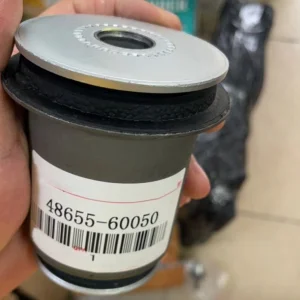 Wholesale Car Spare Parts Auto Part Suspension Parts Front Lower Arm Bushing for Landcruiser Lx450d 48654-60040 48655-60040
View product details
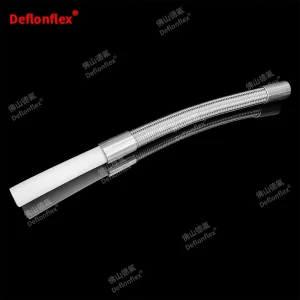 Rigid PTFE Lined Ss Braided Tubing, Low Permeability, for Precision Fluid & Gas Transfer
View product details
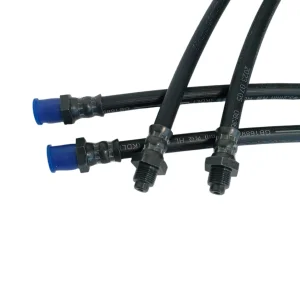 OEM Complies SAE J1401 DOT Fmvss 106 Standards Automotive Chassis Hydraulic EPDM Material 1/8-Inch Diameter Standard Automatic Braking System
View product details
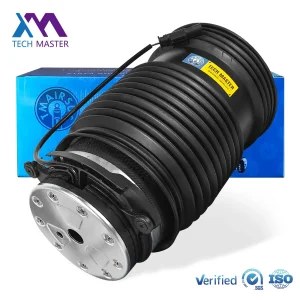
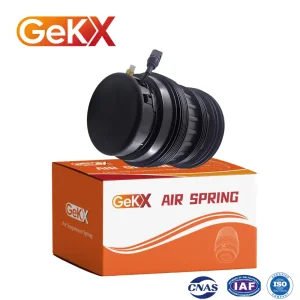 Premium Air Suspension Spring Automotive Shock Absorber for Porsche 970 Models 9703335333317
View product details
China is not a single brake pad market. It is a dense industrial system of friction laboratories, steel backing plate stampers, adhesive and shim specialists, foundries, rubber bonders, packaging suppliers, testing houses, and export trading teams. For global buyers, the search for a “China top brake pad manufacturer and exporter” is therefore not only a price request. It is a risk-reduction request.
A credible brake pad exporter must demonstrate more than a catalogue. The supplier should be able to explain the friction family, provide test evidence, control batch consistency, support fitment validation, label products correctly for destination markets, and respond to quality claims with traceable data. The strongest Chinese suppliers behave less like anonymous factories and more like engineering partners: they can map a vehicle platform, recommend a friction formulation for climate and duty cycle, and connect the brake pad to the surrounding chassis and hydraulic ecosystem.
This is where semantic search and user intent mining become commercially useful. A distributor may search for “China brake pad manufacturer,” but their real intent may be to compare ECE R90 documentation, confirm private-label capacity, check heavy-truck wear life, or reduce noise complaints in urban EV fleets. An exporter that answers these adjacent questions with specific, verifiable information gains visibility because it satisfies the full intent cluster rather than repeating generic “high quality” claims.
The supplied company profile is a useful example of how integrated automotive capability supports brake-related programs. Shenzhen Partix Auto Co., Ltd. operates from a manufacturing and logistics position in Zhucheng, Shandong, close to Weifang and within the one-hour circle around Qingdao. Founded in 2004, it describes itself as a national high-tech company and a state-owned holding listed firm. Its product scope includes fluid pipelines, suspension systems, anti-vibration rubber parts, bushings, air springs, engine mounts, thrust rods, and related chassis components. Those categories matter to brake-system buyers because braking performance is never isolated from suspension stability, hose integrity, vibration control, and wheel-end fitment.
Brake pads are safety-critical consumables. Their commercial significance comes from replacement cycles, vehicle diversity, climate variation, fleet uptime, and regulatory accountability. The industrial significance comes from friction science: small changes in formulation can alter stopping distance, noise, dust, rotor wear, and high-temperature fade.
Global demand is shaped by several parallel forces. Passenger-car aftermarket distributors need broad vehicle coverage, predictable packaging, and low-noise formulations for everyday driving. Commercial fleet buyers focus on wear life, load stability, brake feel, and maintenance intervals. Mining, ports, construction, and heavy-truck operators often evaluate severe-duty friction under heat, dust, and frequent stopping. Meanwhile, EV adoption is changing the duty cycle: regenerative braking reduces some friction-brake usage, but it also raises expectations for corrosion resistance, low dust, pedal blending, and noise control because the friction brake may engage less often and under different temperature conditions.
China’s export strength comes from the breadth of its automotive supply base and its ability to support many vehicle platforms, private-label programs, and price-performance tiers. That breadth is valuable, but it also increases the buyer’s responsibility to verify the supplier. A top-tier Chinese brake pad manufacturer or exporter should be able to provide a clear material declaration, batch traceability, dimensional control records, friction performance data, and destination-market compliance evidence. Buyers should ask whether the product is intended for EU aftermarket homologation, North American replacement use, Middle East heat and dust, African mixed-road conditions, or South American fleet duty cycles.
Because brake pads are often purchased with brake hoses, seals, bushings, and suspension parts, the strongest sourcing strategies look at the whole corner of the vehicle. A stable suspension reduces uneven pad wear. A quality hydraulic hose protects pedal response. A correct shim and rubber interface reduce noise transmission. An engine or transmission mount may seem unrelated to braking, yet driveline and chassis vibration influence driver perception of brake smoothness. This systems view creates information gain: instead of publishing a thin product list, an exporter can explain how its components work together in real service conditions.
| Friction family | Typical strengths | Key buyer watch-outs | Best-fit applications |
|---|---|---|---|
| Non-asbestos organic (NAO) | Low noise potential, smooth pedal feel, good everyday comfort | Wear rate and heat management vary by formulation; verify fade and dust data | Urban passenger cars, ride-hailing fleets, comfort-focused aftermarket |
| Semi-metallic | Strong heat resistance, robust stopping performance, heavy-duty suitability | Noise, rotor wear, and dust can be higher; shim design is critical | Highway driving, commercial vehicles, mountainous routes, fleet service |
| Low-metallic | Balanced cost, initial bite, and temperature stability | Dust and noise complaints may rise if formulation and shim are not optimized | Value-oriented aftermarket, mixed urban and highway use |
| Ceramic-enhanced | Low dust, quiet operation, stable daily-driver performance | Not automatically “better” for heavy loads; verify thermal capability and fitment | Premium passenger cars, EVs, city fleets, low-dust requirements |
| Severe-duty / heavy commercial | Long wear life, load tolerance, high-temperature stability | Requires platform-specific validation, drum or disc compatibility, and fleet data | Trucks, buses, mining, construction, port and logistics operations |
Buyer expectations have moved from “Can you supply?” to “Can you prove, trace, localize, and continuously improve?” The following trends are especially important for distributors and OEM engineers preparing 2025–2030 sourcing strategies.
ECE R90 is central for many European aftermarket programs, while buyers also request IATF 16949, ISO 9001, AMECA-related evidence, REACH, RoHS, and application-specific test summaries. Documentation quality is now a purchasing criterion, not an afterthought.
Regenerative braking reduces heat cycles but increases the importance of corrosion stability, low-noise engagement, low dust, and consistent pedal blending. Suppliers must understand EV platform calibration, not just traditional brake pad dimensions.
Copper-free and reduced-copper formulations, low-dust NAO and ceramic-enhanced products, and cleaner manufacturing processes are gaining attention as municipalities and consumers scrutinize particulate emissions and wheel cleanliness.
Exporters increasingly support barcodes, fitment labels, multilingual instructions, warranty cards, branded boxes, and mixed-model cartons. For distributors, packaging and fitment data reduce returns as much as friction performance does.
QR codes, batch records, test reports, and digital product passports are moving from premium programs to mainstream expectations. A traceable batch helps isolate quality claims and strengthens fleet maintenance planning.
Scrap reduction, energy monitoring, recycled content, and supplier carbon accounting are becoming part of OEM and large-distributor scorecards. Exporters that document environmental controls can enter more advanced procurement conversations.
Search engines and AI-assisted answer systems increasingly evaluate topical depth. A page about brake pad manufacturing should match the vocabulary of engineering, compliance, logistics, fitment, and commercial negotiation—not only the phrase “China brake pad manufacturer.”
The broad query “China top brake pad manufacturer & exporters” contains several intents at once. Sourcing managers want supplier discovery. Quality engineers want test standards. Distributors want MOQ and private label. Fleet buyers want wear life and local service cases. Import compliance teams want labeling and material restrictions. SEO content that treats all buyers as one audience becomes generic. Content that clusters intent and answers each cluster with evidence becomes useful, shareable, and more likely to earn trust.
High-information-gain content should include friction codes, vehicle fitment logic, temperature windows, test summaries, brake-dust and noise trade-offs, packaging requirements, and destination-specific regulations. It should also explain what the supplier does not recommend. For example, a ceramic-enhanced pad marketed for quiet urban driving should not be presented as a universal heavy-towing solution without validation. Clear boundaries increase credibility under Google’s Search Quality Rater Guidelines because they demonstrate expertise and reliability rather than unfiltered promotional claims.
Queries include manufacturer, exporter, wholesale, OEM supplier, aftermarket supplier, private label, and custom brake pad. Answer with factory capability, export experience, MOQ logic, lead-time assumptions, and documentation support.
Queries include ECE R90, IATF 16949, ISO 9001, AMECA, REACH, RoHS, SAE J1401, and FMVSS 106 for related hoses. Explain which standard applies to which component and how buyers can verify it.
Queries include vehicle platform, OEM number, brake code, shim type, wear sensor, caliper fit, and axle position. Fitment data prevents returns and is a major trust signal for distributors.
Queries include low dust, low noise, heavy-duty, high temperature, cold climate, fleet, EV, and mountainous use. Map friction recommendations to duty cycles instead of claiming one pad fits every condition.
Queries include MOQ, price, samples, lead time, warranty, packaging, and container loading. Provide structured commercial information where possible and avoid unsupported delivery promises.
Queries include counterfeit risk, quality claims, supplier audit, batch traceability, and after-sales service. Show how claims are investigated and how corrective actions are documented.
The future of brake pads is not a single breakthrough material. It is a convergence of formulation science, vehicle integration, digital traceability, and environmental accountability.
Exporters will strengthen ECE R90 documentation, shim design, rotor compatibility data, and EV-oriented low-noise/low-dust formulations. Buyers will increasingly request test summaries in a standardized format.
Market attention will shift toward reduced-copper and copper-free materials, recycled or bio-based fibers, cleaner manufacturing, and clearer chemical declarations. Performance must be validated, not assumed.
Batch-level QR codes, digital test reports, and supplier carbon data will become more common. Fleet buyers will link maintenance history to wear patterns and procurement decisions.
Wear sensors, predictive maintenance APIs, EV braking integration, and closed-loop material recovery will expand. Suppliers that connect friction data to vehicle lifecycle management will stand apart.
These changes do not make China less important. They make supplier selection more technical. A top exporter must be able to discuss material trade-offs, evidence protocols, and application boundaries with the same clarity as price and delivery. For buyers, the most defensible strategy is to request sample validation, audit key sub-suppliers, compare documented wear and noise performance, and pilot test before scaling a private-label program.
Brake pad performance is local. A formulation that feels excellent in a mild-climate passenger car may fail in salt, heat, dust, mountain descent, or overloaded fleet conditions. The following scenarios help importers translate vehicle use into technical requirements.
Prioritize low noise, low dust, stable corrosion behavior, and consistent low-speed engagement. Regenerative braking can reduce heat cycles, so rust film and uneven deposits deserve attention. Ceramic-enhanced or tuned NAO formulations may fit, but require fleet validation.
Fade resistance, thermal recovery, and stable friction after repeated braking are critical. Semi-metallic or severe-duty formulations may be appropriate, supported by rotor wear data and driver training recommendations.
Corrosion protection for backing plates, shims, and clips matters as much as cold initial bite. Buyers should request salt-spray and shear-strength evidence for bonded components.
Middle East, Africa, and similar environments require heat tolerance, dust resistance, cooling stability, and packaging protection. Heavy loads and traffic idling can challenge friction consistency.
Fleet uptime depends on wear life, load capacity, maintenance intervals, and supply continuity. Related chassis parts such as hub oil seals, suspension bushings, and engine mounts support the whole maintenance program.
Corrosion resistance, vibration damping, and anti-collision components become part of the wider safety ecosystem. PTFE brake hose kits, precision rubber components, damping parts, and advanced fuel-cell production systems represent adjacent industrial opportunities.
For distributors, a macro solution should combine product tiers with application guidance. One low-dust passenger-car line, one severe-duty line, one heavy-commercial line, and one corrosion-focused line can cover many markets without confusing the catalogue. Adding brake hoses, suspension bushings, seals, and mounts to the same sourcing program reduces supplier fragmentation and improves fitment consistency.
The following company details are retained from the supplied profile and provide E-E-A-T context for buyers evaluating long-term automotive parts partnerships.
Shenzhen Partix Auto Co., Ltd. sits in Zhucheng, Shandong. This spot lies close to Weifang, known as the kite capital. Moreover, it falls within the one-hour circle around Qingdao. As a result, transportation stays easy and quick.

People founded Partix Auto back in 2004. Today, others see it as a national high-tech company. It also counts as a state-owned holding listed firm. The team pushes hard on new ideas. Because of that, Partix Auto won the title of “National Intellectual Property Demonstration Enterprise.” And since 2006, experts have regularly named it among the “National Top 100 Automotive Parts Suppliers.”

Partix Auto leads strongly in China’s automotive parts field. The company mainly designs and builds top-grade fluid pipelines. It also makes car suspension systems and produces rubber parts that reduce vibration. In general, its main products include bushings, air spring products, engine mounts, fluid line system products, thrust rods, and car suspension systems. These items are widely used in passenger cars, commercial vehicles, and engineering machinery.
Partix Auto follows a clear goal: to serve automotive parts suppliers and OEM customers with high-quality solutions while creating real value. By delivering integrated system solutions, the company meets the evolving demands of global automotive partners.
We continue to drive innovation in the automotive industry, turning advanced ideas into practical solutions for the future.
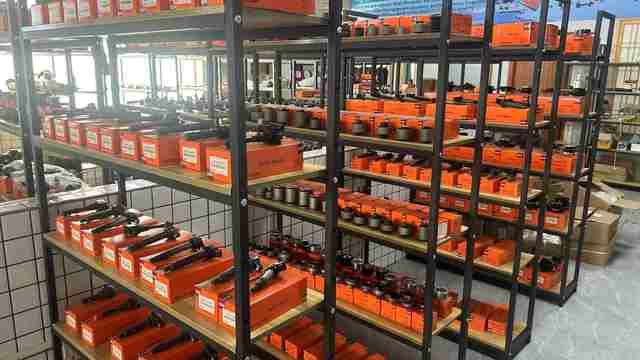

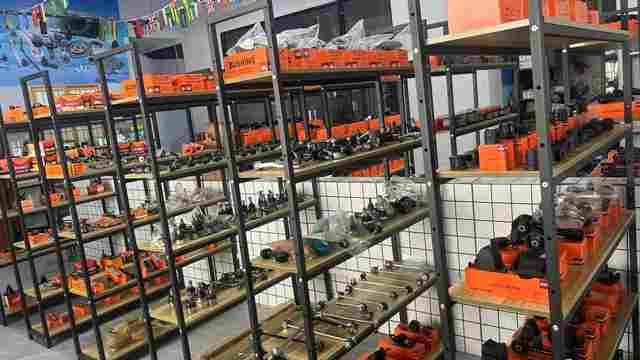
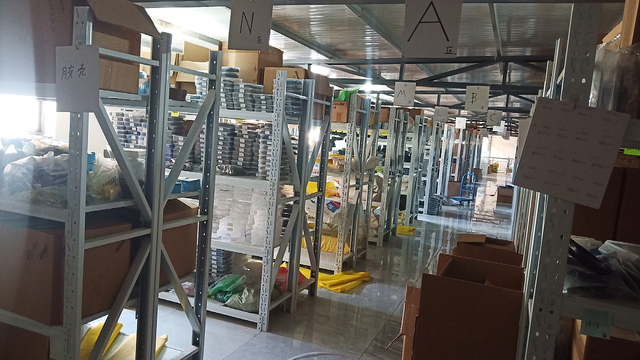
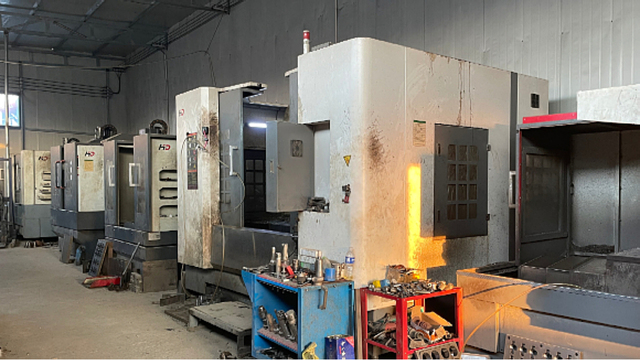
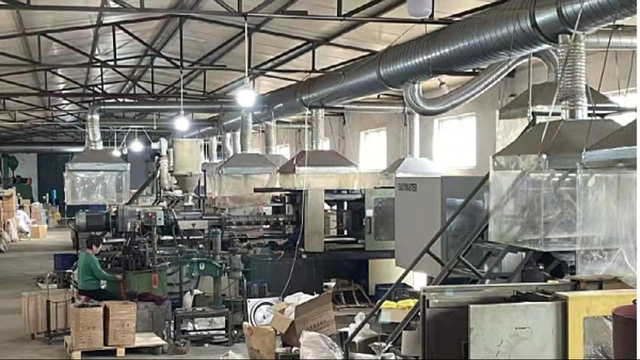

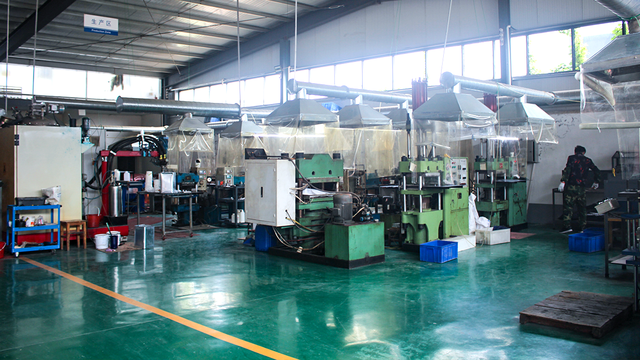
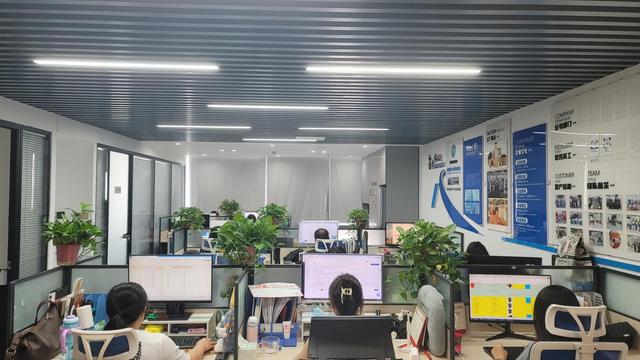
Use a verification protocol that combines documents, samples, audits, and commercial checks. The goal is not to collect the largest file set. It is to connect evidence to the application and the claimed quality level.
Partix Auto’s supplied profile provides several credibility markers that buyers can discuss during supplier qualification: establishment in 2004, national high-tech status, state-owned holding listed company context, the “National Intellectual Property Demonstration Enterprise” recognition, and repeated inclusion among the “National Top 100 Automotive Parts Suppliers” since 2006. These markers do not replace product testing, but they support a conversation about long-term operational stability, innovation culture, and supplier development.
These answers address common search-intent questions from distributors, fleet buyers, and OEM engineers comparing Chinese brake pad and chassis-component suppliers.
There is no single universal ranking that fits every market. A top supplier for European aftermarket distribution may be different from a top supplier for heavy-truck fleets or low-volume private-label programs. Buyers should evaluate ECE R90 documentation where applicable, IATF 16949 or ISO 9001 scope, test-lab capability, batch traceability, fitment data, packaging, references, and responsiveness to quality claims. The safest approach is to shortlist several suppliers and compare them against the same technical and commercial checklist.
For many European aftermarket programs, ECE R90 is a key brake pad regulation. Quality-system evidence may include IATF 16949 and ISO 9001. Destination-market requirements may also involve REACH, RoHS, AMECA-related evidence, and country-specific labeling. For related hydraulic components, standards such as SAE J1401 and FMVSS 106 may be relevant to brake hoses, while EPDM compatibility and pressure testing should be reviewed. Always confirm that the certificate scope and test report match the exact product and market.
Neither material is universally better. Ceramic-enhanced pads are often selected for low dust, quiet operation, and daily-driver comfort, especially in passenger cars and some EV applications. Semi-metallic pads often offer strong heat resistance and heavy-duty capability, but may produce more noise or rotor wear depending on formulation and shim design. The correct choice depends on vehicle weight, duty cycle, climate, rotor material, driver expectation, and regulatory requirements.
EVs use regenerative braking to recover energy, so friction brakes may operate less frequently. That can change corrosion patterns, deposit formation, noise behavior, and dust accumulation. EV-specific brake pad development should focus on consistent pedal blending, low-speed noise control, corrosion resistance, low dust, and stable friction after long periods of light use. Cold-climate and coastal markets require extra attention to rust and salt exposure.
Use documented suppliers, audit the production chain, verify batch coding, compare test reports with sample results, and require first-article inspection before mass production. Avoid approving a product only from photos. Review the backing plate, shim, adhesive, wear sensor, slots, chamfers, and packaging. For private label, control artwork approvals and serialization. For high-risk channels, conduct periodic mystery shopping and retain reference samples from each batch.
Provide VIN or vehicle platform details, OEM part numbers, axle position, brake system type, dimensions, thickness, wear-sensor configuration, shim type, caliper model, and any market-specific variants. Photos of the old pad and rotor can help but should not replace dimensional confirmation. A supplier with strong fitment data management will ask clarifying questions before quoting rather than relying only on a model name.
According to the supplied profile, Partix Auto focuses on fluid pipelines, suspension systems, anti-vibration rubber parts, bushings, air springs, engine mounts, fluid line products, thrust rods, and car suspension systems for passenger cars, commercial vehicles, and engineering machinery. These categories can complement brake-related sourcing because hydraulic hose integrity, suspension stability, vibration control, sealing, and wheel-end fitment all influence braking feel and durability. Buyers should still qualify each product family against its own technical specification.
Request a written quotation that separates tooling, sample, production, packaging, inspection, and freight costs. Clarify MOQ by SKU and by material family, because mixed orders may have different rules. Ask for sample lead time, production lead time, capacity assumptions, and change-control procedures. For private label, confirm artwork ownership, barcode responsibility, label compliance, warranty terms, and after-sales escalation. Avoid relying on verbal promises that are not reflected in the quotation or contract.
Use this whitepaper as a qualification framework: define the application, request standards evidence, validate samples, verify batch traceability, and compare total cost against warranty risk. A high-performing China brake pad manufacturer or exporter should make that process easier through clear engineering data, disciplined quality systems, and reliable export communication.
Review export-ready componentsThe final eight supplied products broaden the sourcing view from friction demand into hydraulic safety, heavy-truck maintenance, precision rubber, vibration damping, and next-generation automotive systems. These categories help distributors build a more complete chassis and service program.
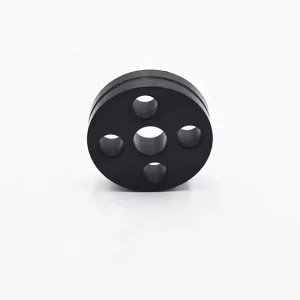
 Boci Anti-Collision Component with Vibration-Damping Function for Wind Turbine Maintenance Robots & Offshore Platform Automated Machinery
View product details
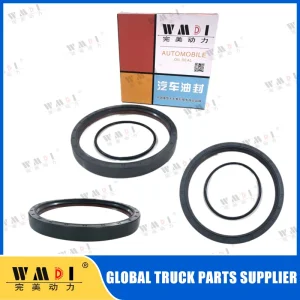 Foton Shacman Weichai Dongfeng Sinotruk HOWO FAW Heavy Truck Chassis Spare Parts Oil Seal 185*210*22 Auto Mobile China Factory Rubber Hub Oil Seal
View product details
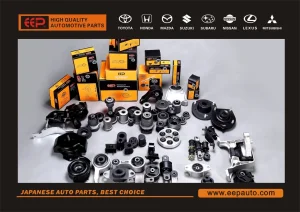 Eep Car Parts Suspension Bushing for Toyota Honda Nissan Mitsubishi Japanese Auto Rubber Bushing
View product details
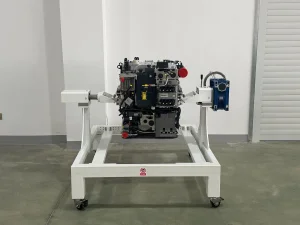
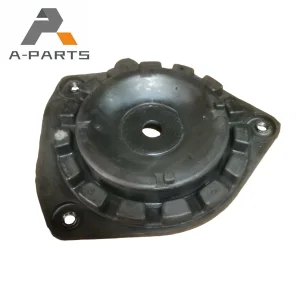 543A03826r 543250005r 543A04089r Hydraulic Engine Strut for Renault Twingo Suspension Mount
View product details
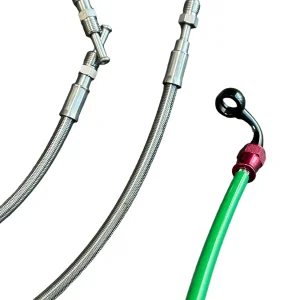 DOT Approved 304 Stainless Steel Braided PTFE Brake Hose Kit Flexible Corrosion Resistant for Car/Truck/Motorcycle Hydraulic Systems
View product details