Partix Auto
Partix Auto
Partix Auto
In modern automotive engineering and industrial heavy-machinery design, the suspension ball joint plays a crucial role as a primary pivot point. These components connect control arms to steering knuckles, ensuring flexible, multi-directional angular movement. As global logistics routes expand and vehicle life cycles demand longer operational lifetimes, the durability of ball joints has become a top priority for procurement managers and design engineers alike.
The global automotive steering and suspension market size was valued at over USD 30 billion recently, with suspension ball joints claiming a significant market share. The rise in vehicle production, combined with the growing demand for replacement parts in the automotive aftermarket, drives steady annual growth. Leading production centers in regions like Shandong, China, leverage robust metallurgical supply chains to manufacture highly engineered suspension components. This makes these hubs vital nodes for global distributors, commercial fleet managers, and tier-one automotive suppliers.
While passenger cars demand low friction, high damping performance, and NVH (Noise, Vibration, and Harshness) control, commercial and heavy-duty vehicles require ultimate load-bearing resilience. Industrial-grade ball joints are expected to withstand up to several tons of dynamic axial and radial forces without deformational failure. Consequently, manufacturing processes must employ advanced thermal treatments, precise CNC machining, and specialized dust-cover designs to prevent the entry of contaminants in harsh environments.
The ball joint manufacturing industry is shifting toward lightweight, high-strength alloy steels and synthetic composites. The goals are simple: reduce unsprung mass, extend life expectancy, and minimize grease breakdown. Understanding these advancements is essential for tier-one sourcing professionals.
Modern factories utilize cold-forged and hot-forged alloy steels, such as 40Cr, 45# carbon steel, or AISI 5140. Inductive heat treatment ensures the ball pins achieve a core hardness capable of resisting shear forces, while maintaining a ductile outer shell to prevent brittle fracturing.
Friction reduction is achieved through the use of reinforced POM-C (Polyacetal) ball seats. When paired with high-performance synthetic grease, these seats reduce start-up torque, prevent dry-friction wear, and extend the component’s operational lifetime.
Moisture, road salt, and abrasive dust are the primary causes of ball joint failure. Premium exporters use CR (Chloroprene) or polyurethane dust covers. These materials offer exceptional resistance to ozone degradation, low temperatures, and petroleum exposure.
| Component Part | Common Industry Materials | Advanced Manufacturing Process | Primary Performance Indicator |
|---|---|---|---|
| Ball Stud (Pin) | 40Cr / AISI 5140 / 4140 | Induction Hardening & Fine Grinding | Tensile Strength & Core Ductility |
| Ball Housing | Carbon Steel / S45C / Forged Aluminum | Precision Forging & CNC Turning | Dimensional Accuracy & Axial Retention Force |
| Bearing (Ball Seat) | POM / Nylon / Polyurethane | Injection Molding | Low Coefficient of Friction |
| Dust Cover (Boot) | Chloroprene (CR) / Polyurethane (PU) | Compression Molding | Elasticity at Low Temp & Ozone Resistance |
Suspension ball joints must perform reliably in diverse geographic conditions. An exporter's product portfolio must adapt to these localized environmental challenges to ensure safety and longevity.
As the automotive landscape shifts toward electric vehicles (EVs) and autonomous driving systems, steering and suspension components must evolve to meet new performance demands.
Electric vehicles are significantly heavier than their internal combustion engine (ICE) counterparts due to large battery packs. This increased weight places greater structural load on the suspension system, requiring control arms and ball joints to withstand higher dynamic forces. As a result, factories are developing high-strength aluminum alloys and optimized ball stud geometries to maintain safety while minimizing component weight.
The future of chassis systems lies in real-time condition monitoring. Smart ball joints, integrated with micro-sensors, can track structural stress, operating temperature, and wear levels. This data can be transmitted directly to the vehicle's ECU or fleet management software, enabling predictive maintenance before a component fails.
Managing suspension component sourcing at scale requires balancing cost, quality, and supply chain logistics. Disruptions in raw material pricing and maritime shipping rates mean that choosing the right factory and exporter is critical to operational stability.
Leading suspension exporters offer comprehensive solutions to streamline global sourcing:
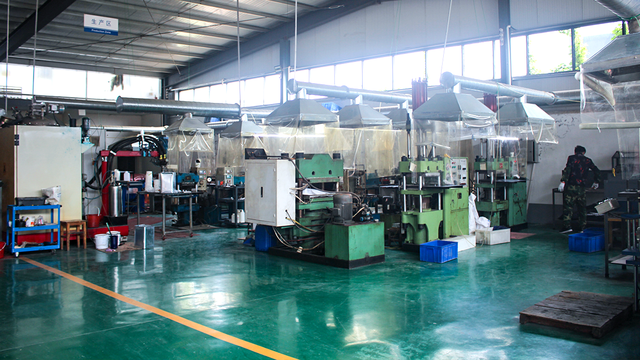
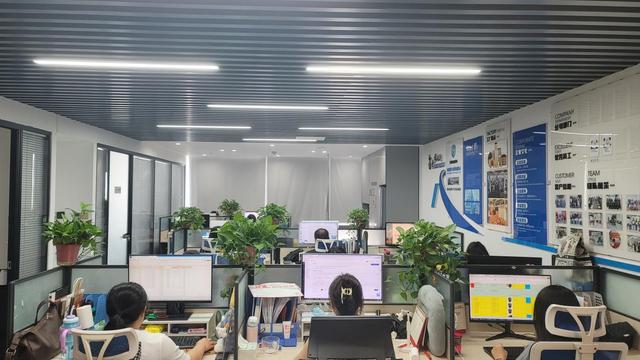
Shenzhen Partix Auto Co., Ltd. sits in Zhucheng, Shandong. This spot lies close to Weifang, known as the kite capital. Moreover, it falls within the one-hour circle around Qingdao. As a result, transportation stays easy and quick.
People founded Partix Auto back in 2004. Today, others see it as a national high-tech company. It also counts as a state-owned holding listed firm. The team pushes hard on new ideas. Because of that, Partix Auto won the title of “National Intellectual Property Demonstration Enterprise.” And since 2006, experts have regularly named it among the “National Top 100 Automotive Parts Suppliers.”
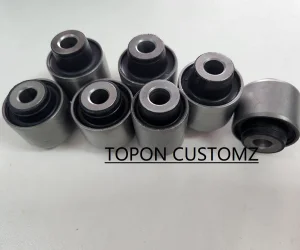
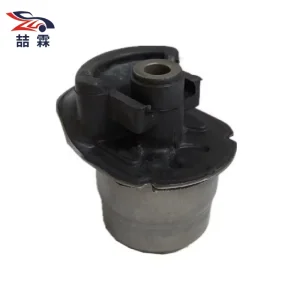
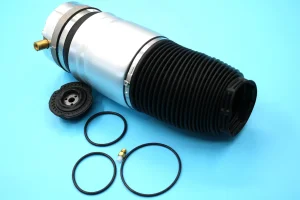
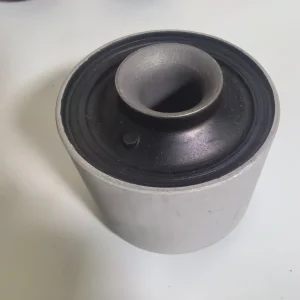
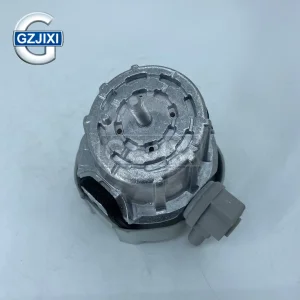
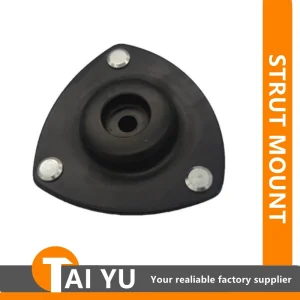
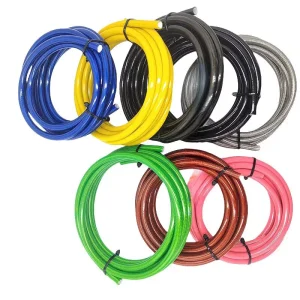
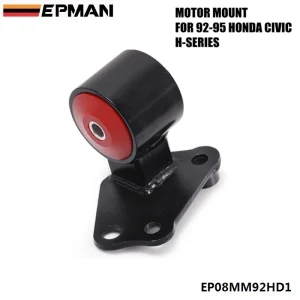
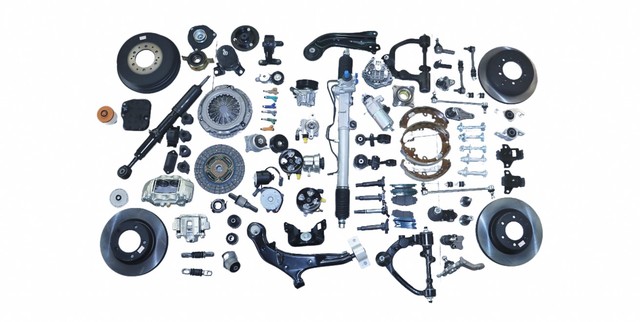
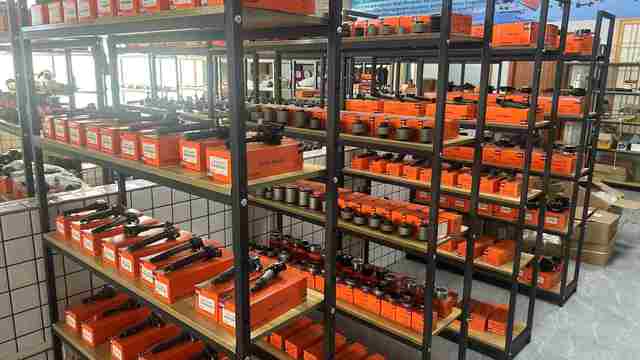
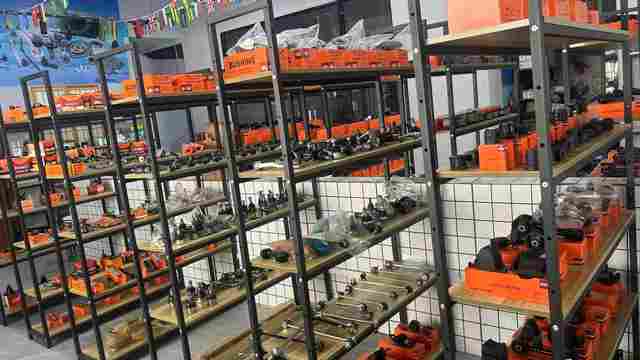
Partix Auto leads strongly in China’s automotive parts field. The company mainly designs and builds top-grade fluid pipelines. It also makes car suspension systems and produces rubber parts that reduce vibration. In general, its main products include bushings, air spring products, engine mounts, fluid line system products, thrust rods, and car suspension systems. These items are widely used in passenger cars, commercial vehicles, and engineering machinery.
Partix Auto follows a clear goal: to serve automotive parts suppliers and OEM customers with high-quality solutions while creating real value. By delivering integrated system solutions, the company meets the evolving demands of global automotive partners.
We continue to drive innovation in the automotive industry, turning advanced ideas into practical solutions for the future.


Under typical driving conditions on paved roads, a high-quality OEM ball joint is designed to last between 80,000 and 150,000 kilometers. However, extreme operating conditions, such as driving on unpaved roads, towing heavy loads, or exposure to road salt, can reduce this lifetime. Regular inspections of the dust boot for damage can help maximize service life.
IATF 16949 is the global quality management standard for the automotive industry. Unlike general ISO certifications, it requires strict adherence to continuous improvement, defect prevention, and waste reduction throughout the supply chain. Working with an IATF-certified exporter ensures consistent quality and compliance with OEM specifications.
Common symptoms include metallic clucking or squeaking noises when steering or driving over bumps, excessive steering wheel play, and uneven tire wear. If left unaddressed, a worn ball joint can fail completely, causing the wheel to detach from the control arm and potentially leading to a loss of vehicle control.
Rotational torque is determined by the friction between the ball stud and its bearing seat. Utilizing POM-C or nylon seats, combined with synthetic lithium-based grease, significantly reduces initial torque. This ensures smooth, responsive steering feedback while maintaining structural stiffness.