Partix Auto
Partix Auto
Partix Auto
Explore our premium wheel bearing ecosystem, engineered suspension components, and ISO-certified fluid transfer assemblies for automotive and heavy-duty commercial applications.
An in-depth analysis of rotational tribology, generational hub assembly evolution, and global procurement strategies for automotive engineers and sourcing executives.
Wheel bearing design has undergone a radical transformation over the past three decades. Traditional Generation 1 (Gen 1) double-row angular contact ball bearings required complex manual shimming, precise grease packing, and external radial seal press-fitting during assembly line installation. Modern OEM procurement has heavily shifted toward Generation 2 (flanged outer or inner ring) and Generation 3 (double flanged hub units). Gen 3 designs integrate the mounting flange directly into the bearing raceways, eliminating hub-assembly stack-up tolerances, reducing unsprung mass by up to 18%, and standardizing dynamic load distribution across both radial and axial vectors.
The rapid acceleration of Electric Vehicles (EVs) introduces unprecedented mechanical stresses on wheel bearing raceways. Instantaneous electric motor torque delivers massive initial shear forces to the bearing rolling elements. Furthermore, the near-silent operational profile of EVs removes combustion engine noise masking, making Noise, Vibration, and Harshness (NVH) performance paramount. Leading wheel bearing exporters must deploy micro-geometry optimization—achieving sub-micron raceway surface roughness (Ra < 0.05 µm) and using specialized synthetic polyurea lubricants—to prevent fretting corrosion, reduce micro-spalling, and minimize acoustic signatures across high RPM operating bands.
Over 50% of premature wheel bearing failures in field operations stem from fluid contamination, road salt ingress, or particulate abrasion. High-performance wheel bearing exporters employ multi-lip cassette sealing systems featuring synthetic fluoroelastomer (FKM) and nitrile rubber (NBR) compounds. Coupled with integrated magnetic encoder rings (ABS wheel speed sensors), modern hub bearings provide continuous digital velocity feedback to electronic stability control (ESC) systems while maintaining absolute fluid isolation even under high-pressure water jet washes and extreme thermal cycling (-40°C to +160°C).
Integrating state-owned industrial backing, strategic Qingdao port logistics, and world-class automotive manufacturing infrastructure.
Shenzhen Partix Auto Co., Ltd. sits in Zhucheng, Shandong. This spot lies close to Weifang, known as the kite capital. Moreover, it falls within the one-hour circle around Qingdao. As a result, transportation stays easy and quick, offering immediate access to deep-water maritime shipping channels for seamless global export logistics.
Founded back in 2004, Partix Auto has established itself as a national high-tech enterprise and a state-owned holding listed firm. Driven by continuous technological innovation, Partix Auto won the prestigious title of "National Intellectual Property Demonstration Enterprise" and has been consistently recognized among the "National Top 100 Automotive Parts Suppliers" since 2006.
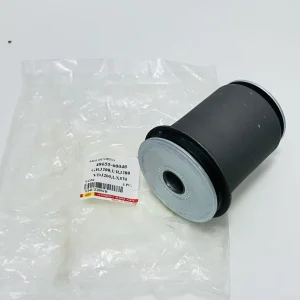
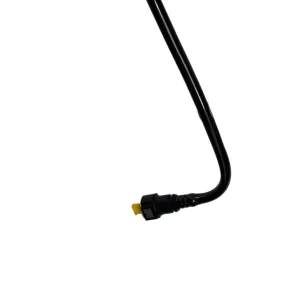
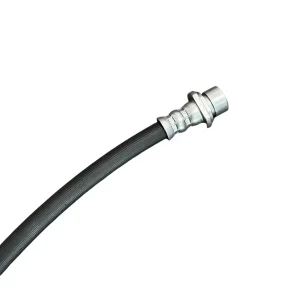
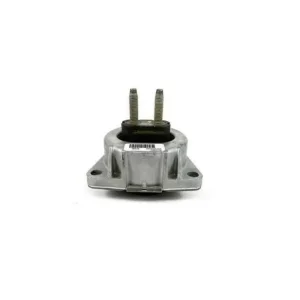
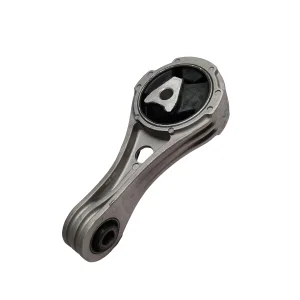
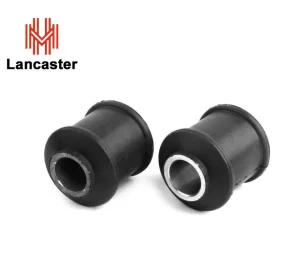
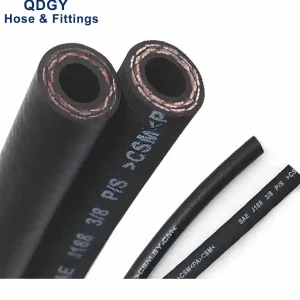
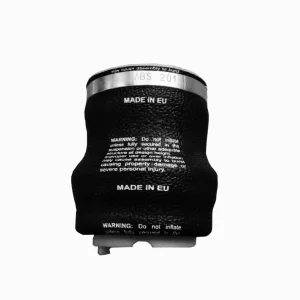
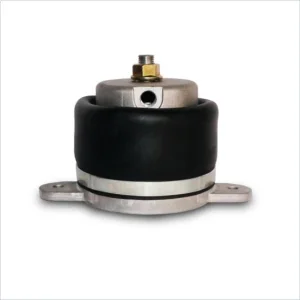
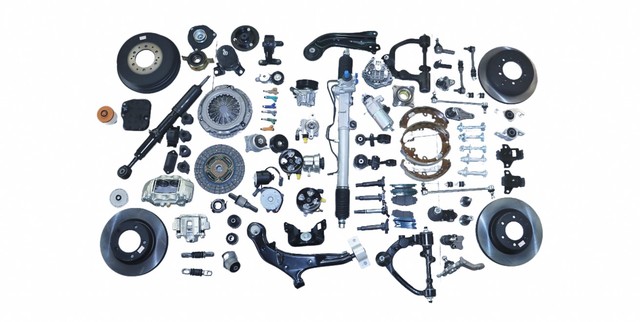
Partix Auto leads strongly in China’s automotive parts field. The company mainly designs and builds top-grade fluid pipelines, car suspension systems, and vibration-damping rubber components. Key product portfolios encompass bushings, air spring products, engine mounts, fluid line systems, thrust rods, and complete vehicle suspension systems engineered for passenger cars, commercial vehicles, and heavy-duty engineering machinery.
Partix Auto follows a clear goal: to serve automotive parts suppliers and OEM customers with high-quality solutions while creating real value. By delivering integrated system solutions, the company meets the evolving demands of global automotive partners, turning advanced engineering ideas into robust, practical solutions for the future.
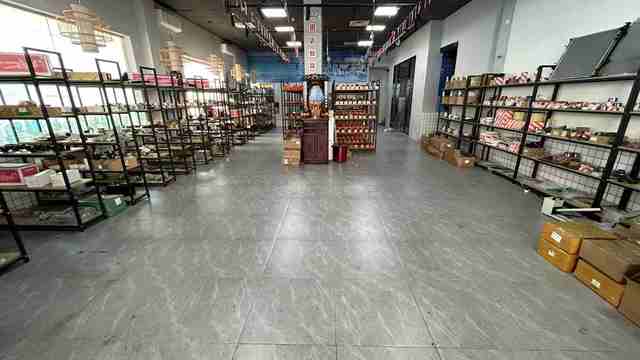
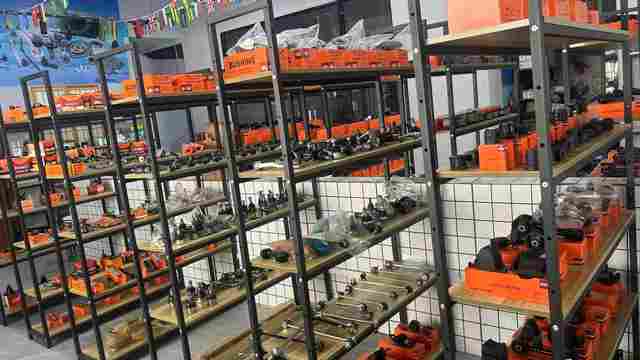
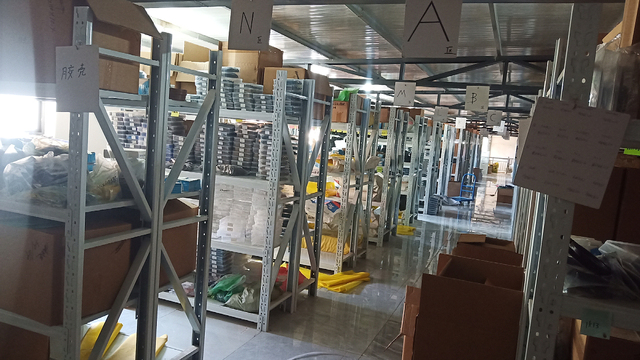
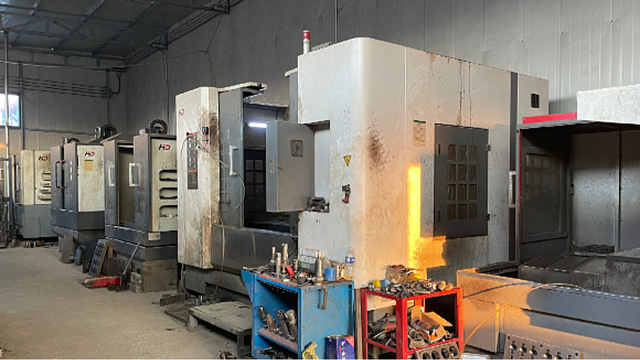
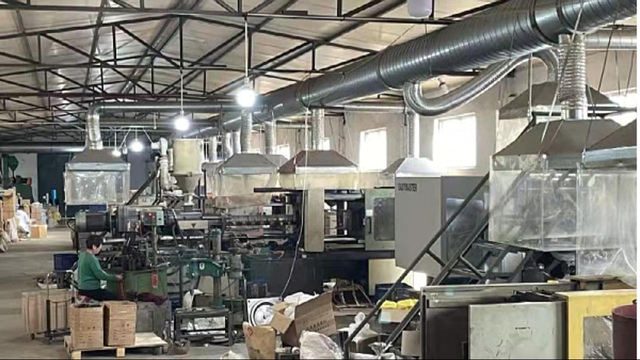
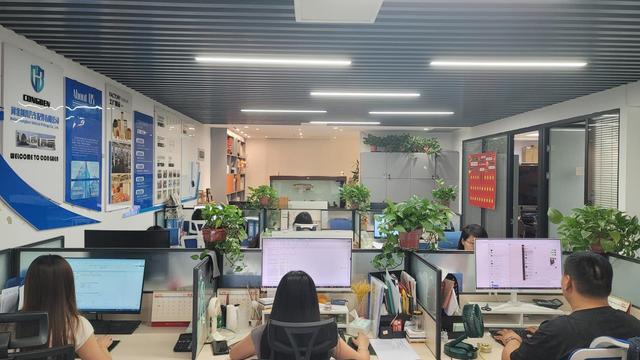
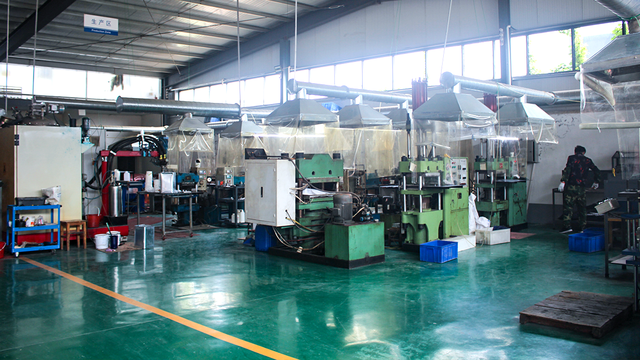
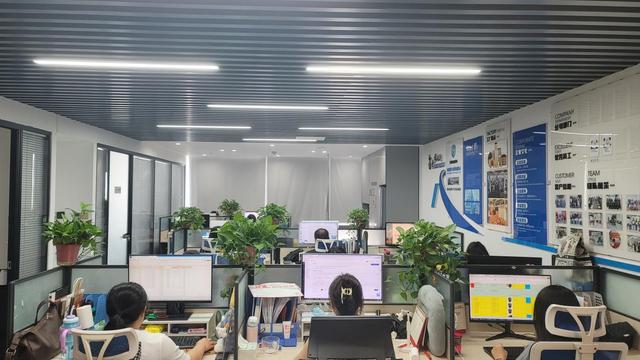
Why Tier-1 buyers globally rely on Chinese manufacturing clusters for high-volume, high-precision wheel hub bearing exports.
The foundation of bearing longevity resides in raw material purity. Premium Chinese manufacturers utilize ultra-clean GCr15 steel (equivalent to AISI 52100 / 100Cr6) subjected to vacuum degassing heat treatments. Oxygen content is strictly limited to < 9 ppm, drastically suppressing non-metallic inclusions (oxides, sulfides, silicates). This metallurgical control ensures high contact fatigue life, resisting internal subsurface shear stress under cyclic radial dynamic loads exceeding 35 kN.
Outer hub flanges require a balance between surface hardness for wear resistance and core toughness for impact energy absorption. Utilizing computerized induction hardening, raceways achieve a precise Rockwell hardness of 58–64 HRC while maintaining a ductile core. CNC grinding and super-finishing lines utilize high-frequency acoustic emissions feedback to control raceway osculation ratios, achieving micro-inch dimensional accuracy and eliminating roundness deviations down to sub-micron levels.
China's automotive manufacturing clusters in Shandong and adjacent coastal economic zones deliver an unmatched supply chain velocity. From raw steel forging mills and specialized precision ball grinding plants to automated rubber molding and heat treatment facilities, the entire production eco-system resides within a 100-kilometer radius. This geographic concentration drastically shortens prototype lead times, optimizes unit production costs, and guarantees Total Cost of Ownership (TCO) efficiency for international buyers.
Ensuring frictionless international trade through certified quality management systems and environmental compliance standards.
For international OEMs and Tier-1 aftermarket buyers, certification is non-negotiable. Qualified wheel bearing factories operate under fully implemented IATF 16949:2016 automotive quality management systems. Every product batch undergoes rigorous Advanced Product Quality Planning (APQP), Failure Mode and Effects Analysis (FMEA), and complete Production Part Approval Process (PPAP Level 3) documentation. Factory floors undergo periodic German VDA 6.3 process audits, ensuring zero-defect manufacturing discipline across all production shifts.
Exporting to European, North American, and Asia-Pacific markets requires strict adherence to environmental chemical regulations. Modern bearing production enforces REACH (Registration, Evaluation, Authorisation and Restriction of Chemicals) compliance, prohibiting heavy metals, polybrominated biphenyls, and restricted phthalates in grease formulations, anti-rust oil coatings, and synthetic rubber seal compounds. Production facilities operate under ISO 14001 environmental management frameworks to minimize carbon intensity per finished unit.
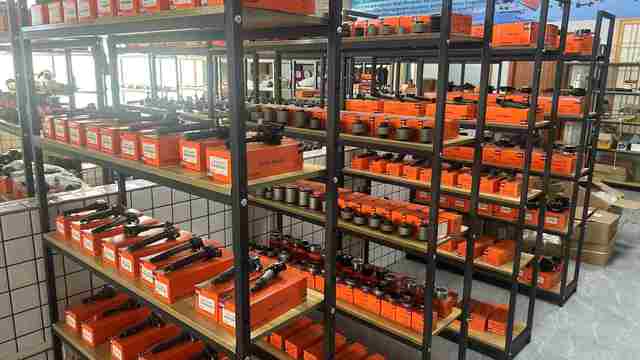
Global automotive supply chains require flexible, resilient logistics. Trusted wheel bearing exporters provide custom buffer stock programs, consignment inventory management, and overseas localized warehousing. Leveraging close proximity to major shipping ports like Qingdao, exporters optimize containerized vessel schedules, guaranteeing reliable lead times, minimizing transit shock risks through VCI (Vapor Corrosion Inhibitor) packaging, and shielding buyers from global supply disruptions.
To eliminate counterfeit parts and enable full lifecycle accountability, every wheel bearing hub unit undergoes 2D DataMatrix laser serialization. Part numbers, batch codes, manufacturing timestamps, and metallurgical heat numbers are permanently etched into the steel flange. This complete digital footprint allows immediate root-cause tracking in warranty management scenarios and provides buyers with total transparency from raw billet to installed unit.
Tailored wheel bearing configurations optimized for demanding mechanical duty cycles across diverse vehicular sectors.
Engineered for lightweight, low friction, and high cornering stiffness. Passenger car wheel hub units (Gen 3) integrate lightweight forged aluminum or high-strength ductile iron flanges. Designed to handle mixed radial and axial loading during high-speed highway cornering while maintaining zero play and low rolling resistance to maximize fuel efficiency and EV driving range.
Commercial vehicle truck hub bearings must withstand extreme gross vehicle weight ratings (GVWR) under relentless long-haul operations. Utilizing heavy-duty double tapered roller bearing arrangements, these units dissipate heat rapidly under continuous braking loads, withstand heavy radial impacts from uneven road surfaces, and feature extended maintenance intervals up to 1,000,000 kilometers.
Operating in aggressive dust, mud, slurry, and high shock-load environments. Wheel bearings for agricultural tractors, excavators, and mining haulers utilize heavy cassette seals with external stone guards, case-hardened steel inner rings, and high-viscosity synthetic lithium complex greases formulated with extreme pressure (EP) additives to prevent metal-to-metal contact.
Addressing essential questions regarding wheel bearing selection, factory auditing, lifespan optimization, and export logistics.
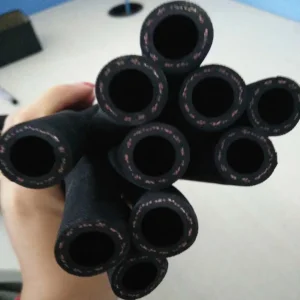
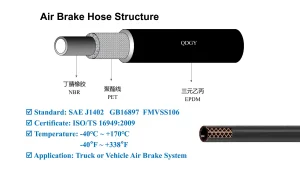
Explore our complete range of certified auto parts, suspension bushings, transmission mounts, and heavy-duty brake hose assemblies.