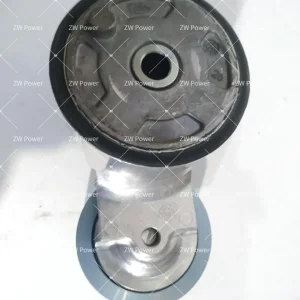
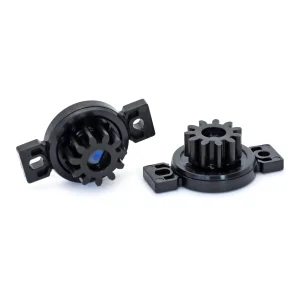
Overview
Condition:New
Certification:CE, RoHS, GS, ISO9001
Standard:DIN, ASTM, GOST, GB, JIS, ANSI, BS
Customized:Available
Material:Stainless Steel / Aluminum Alloy
Application:Automobile / Industrial
Package Size:40.00cm * 20.00cm * 15.00cm
Lead Time:21 days (Standard)
Product Description
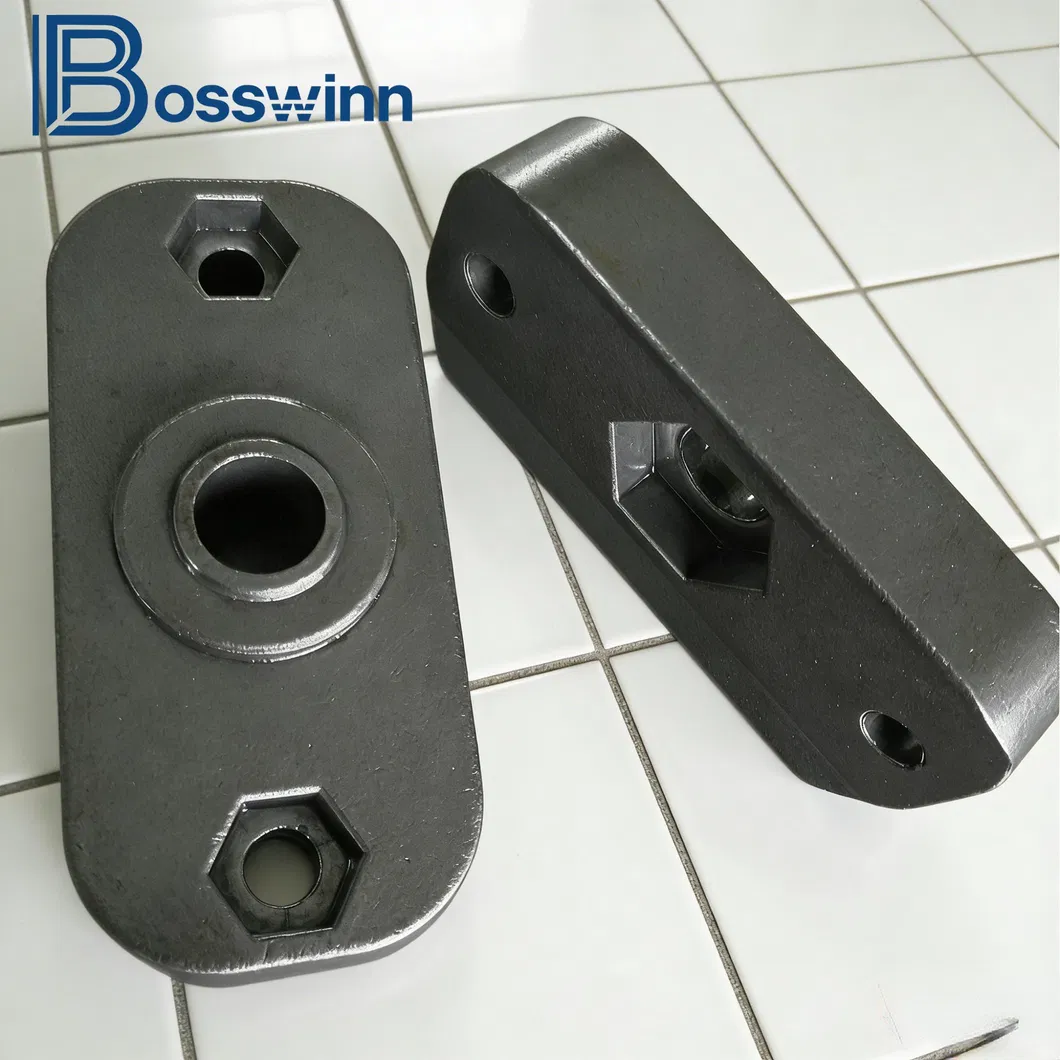
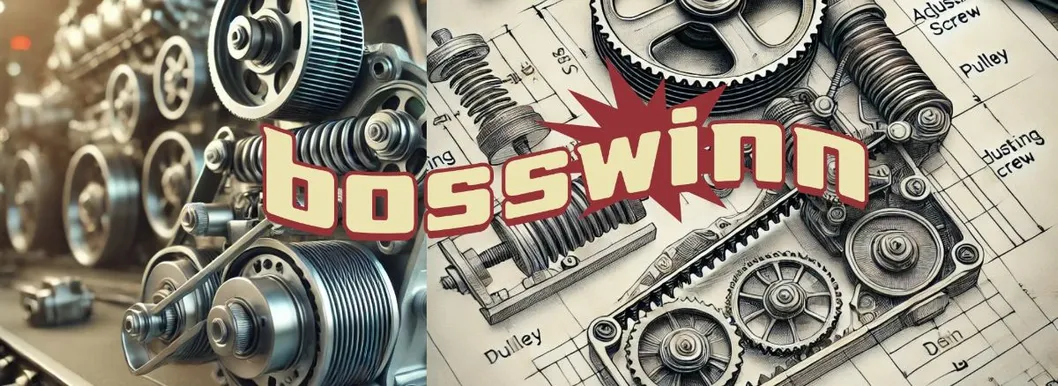
A belt tensioner is an essential engine component that ensures the correct tension of drive belts, such as the serpentine or timing belt. By keeping the belt tight and properly aligned, it enables efficient power transfer from the engine's crankshaft to key accessories like the alternator, power steering pump, water pump, and air conditioning compressor.
Key Functions of a Belt Tensioner
- Maintains Optimal Tension - Prevents belt slippage or loosening, leading to efficient engine performance.
- Minimizes Wear and Tear - Extends the lifespan of the belt and pulleys by reducing friction.
- Dampens Vibrations - Absorbs engine movement, enhancing smooth and quiet operation.
- Self-Adjustment - Automatic tensioners adapt as the belt stretches over time.
| Parameter |
Sample Data |
Manufacturing Process |
Applications |
| Type |
Automatic Spring-Loaded |
Precision-engineered springs and bearings |
Automotive engines |
| Material |
Aluminum alloy / Steel / Nylon |
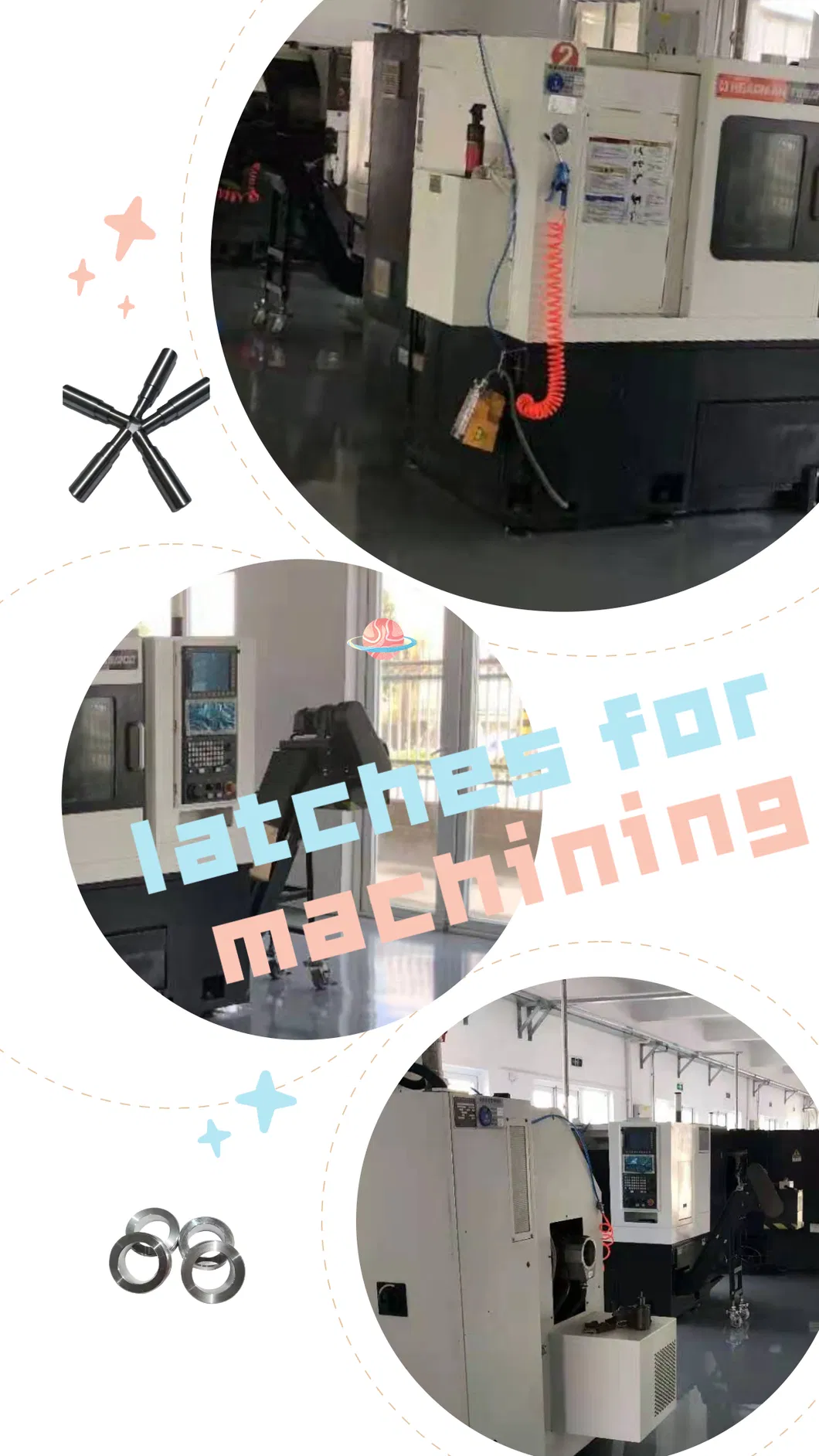
CNC machining, casting, heat treatment |
High-stress environments |
| Tension Force |
400-600 N (Newtons) |
Calibrated spring mechanism |
Power transfer efficiency |
| Operating Temp |
-40°C to 150°C |
Resistant materials and lubricants |
Extreme engine conditions |
| Lifespan |
100,000 - 150,000 miles |
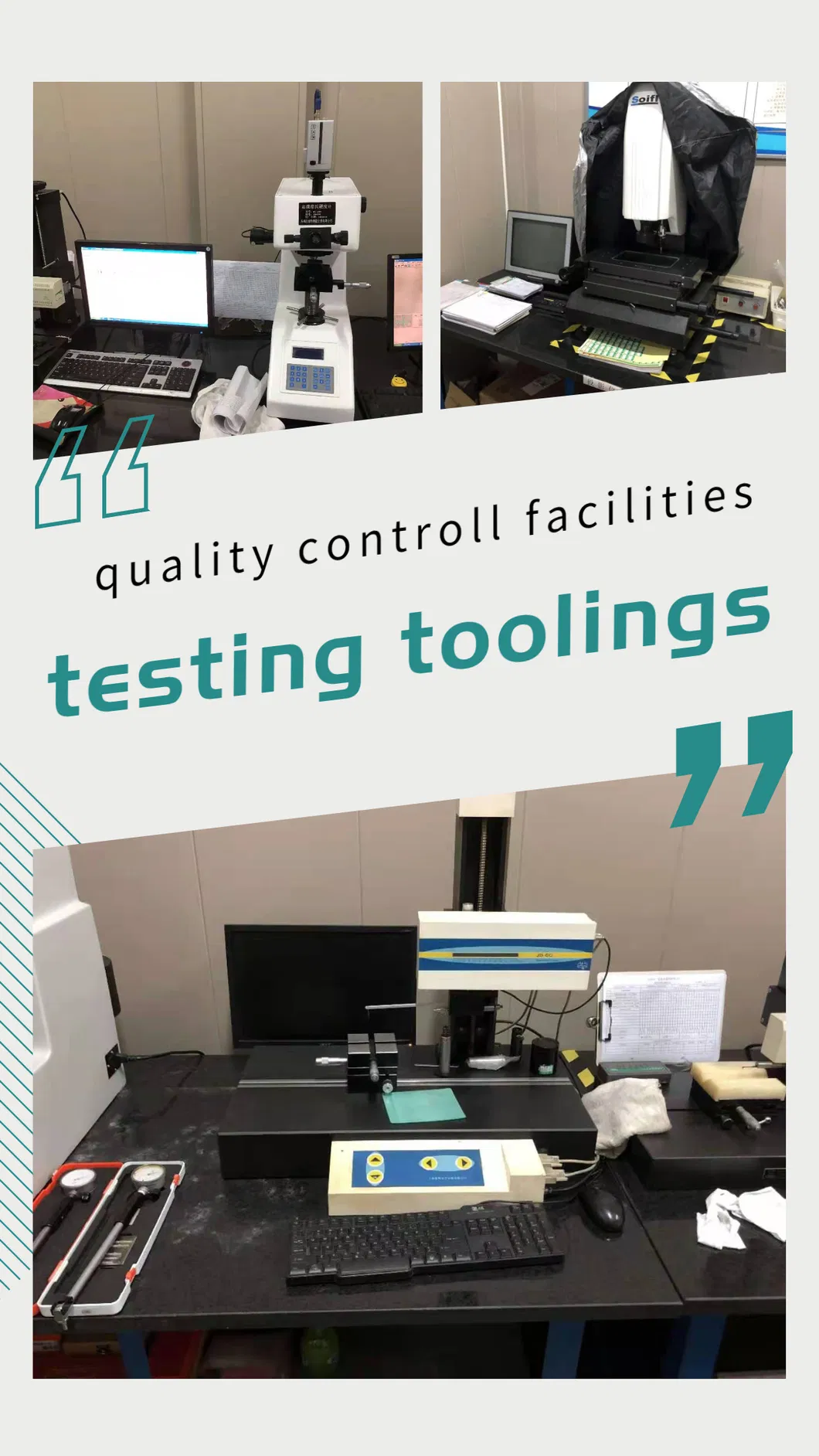
Rigorous durability testing |
Long-lasting performance |
Packaging & Logistics
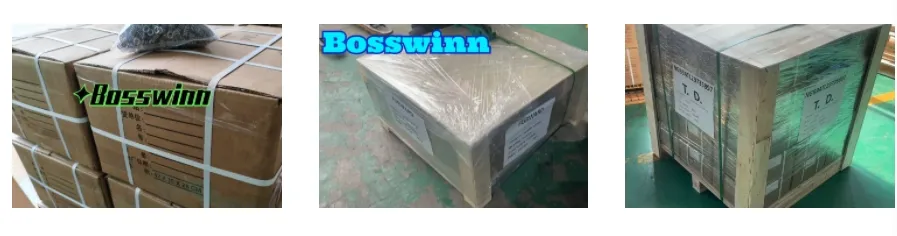
1 Preparation: Visual inspection and cleaning to remove dust or grease.
2 Protection: Individual wrapping in bubble wrap and moisture-resistant bags.
3 Cushioning: Use of high-density foam inserts to immobilize moving parts.
4 Sealing: Heavy-duty corrugated boxes reinforced with industrial-grade tape.
Broad Applications
Automotive: Serpentine belts for cars, trucks, and SUVs.
Industrial: Conveyor systems and heavy machinery.
HVAC: Stable fan and compressor operations.
Agriculture: Tractors and harvesters in rugged conditions.
Fitness: Treadmills and elliptical drive systems.
Frequently Asked Questions
What are the common signs of a failing belt tensioner?
Common signs include unusual squealing or grinding noises from the engine, visible belt wear or fraying, the engine overheating, or battery light illumination due to alternator slippage.
Should I replace the belt when replacing the tensioner?
Yes, it is highly recommended to replace the belt and tensioner together. A worn tensioner often causes premature belt wear, and installing a new belt ensures the entire drive system operates at peak efficiency.
What is the difference between manual and automatic tensioners?
Manual tensioners require periodic adjustment by a technician. Automatic tensioners use internal springs or hydraulics to provide constant, self-adjusting tension throughout the belt's life.
How long does a typical belt tensioner last?
Most high-quality belt tensioners are designed to last between 100,000 and 150,000 miles, depending on driving conditions and vehicle maintenance.
Are your tensioners compatible with OEM specifications?
Yes, our tensioners are precision-engineered to meet or exceed OEM standards, ensuring perfect fitment and performance for specific engine models.
Can extreme temperatures affect tensioner performance?
Quality tensioners are designed to handle temperatures from -40°C to 150°C. However, extreme heat can eventually degrade internal lubricants and spring tension over many years.
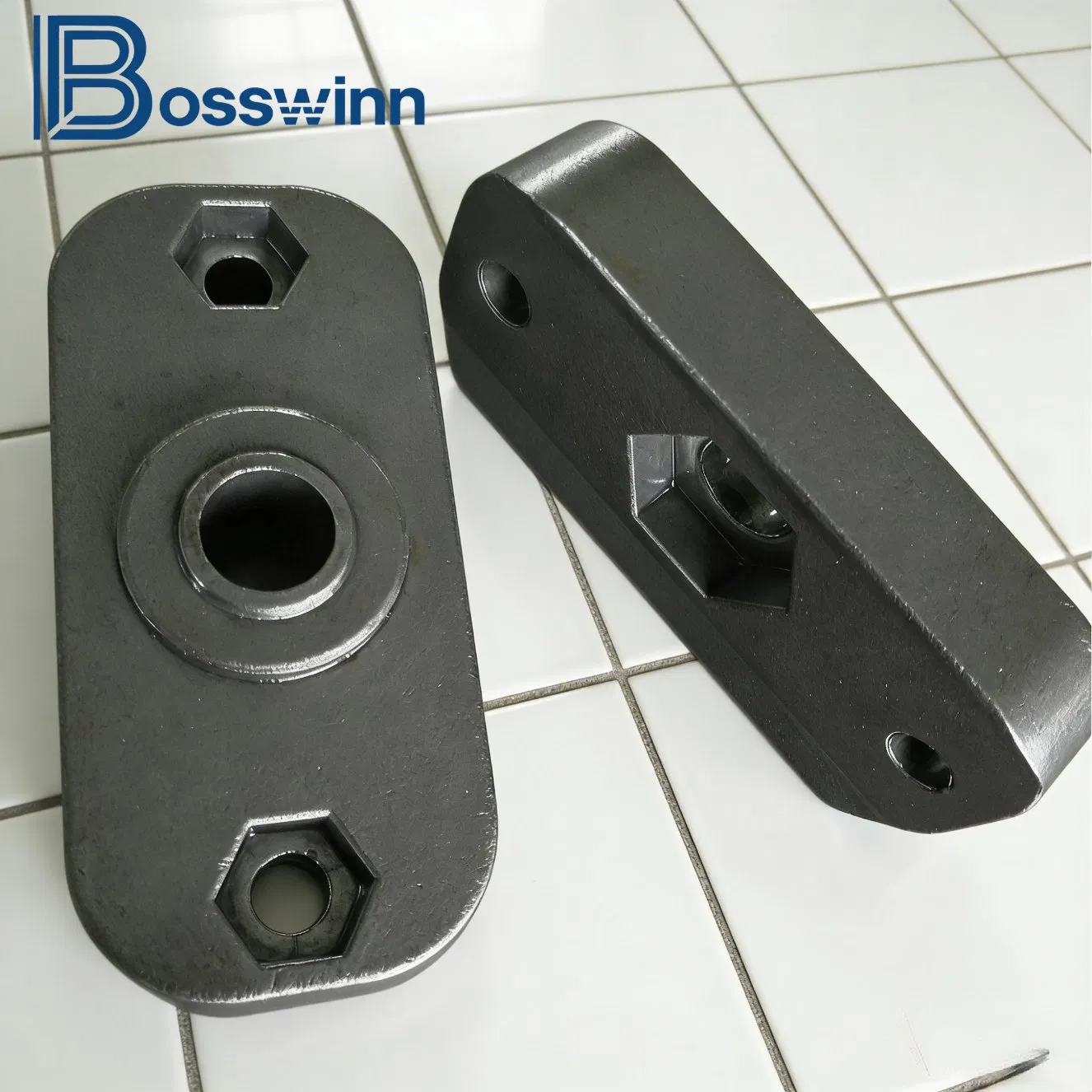
 Partix Auto