Partix Auto
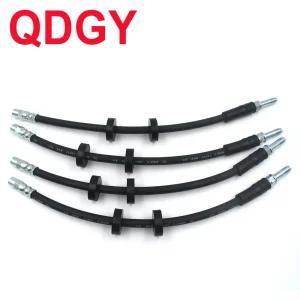
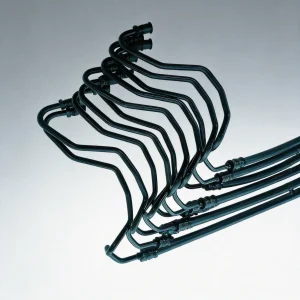
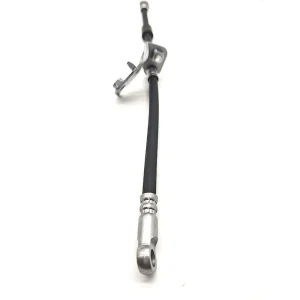
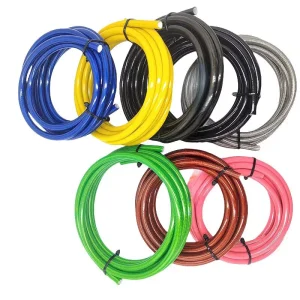
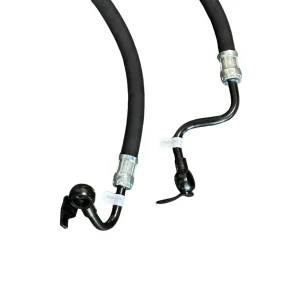
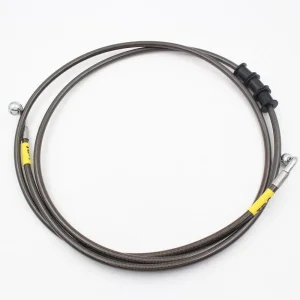
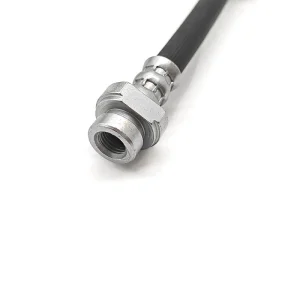
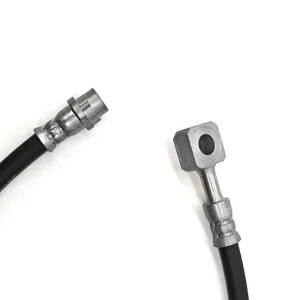
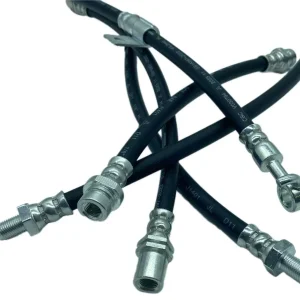
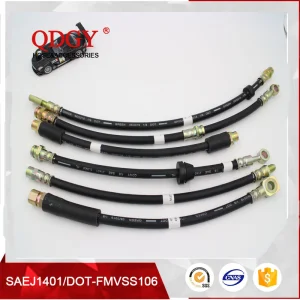
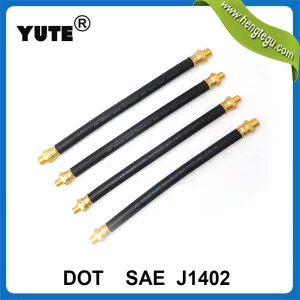
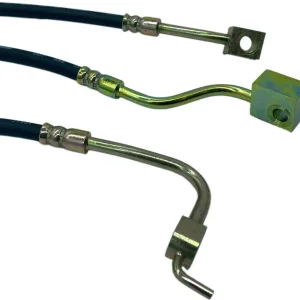
These four quick-access assemblies cover high-frequency Novosibirsk use cases: passenger-car and commercial-vehicle brake safety, cold-weather hydraulic fluid transfer, and R134a/R1234yf air-conditioning service. Each item keeps its original product URL so your team can move from application planning to RFQ without losing catalog context.
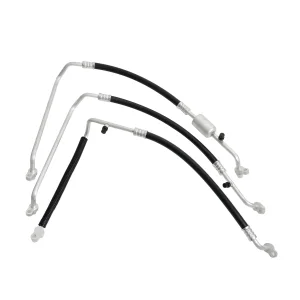
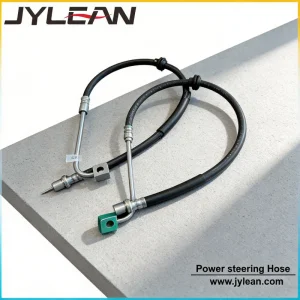
Novosibirsk is not a generic export destination. It is the largest city in Siberia and a critical node connecting road, rail and air freight across the Siberian Federal District. For automotive hose assembly suppliers and exporters, the market combines passenger-car aftermarket demand with heavy-duty fleets, municipal transport, construction equipment, mining operations, agriculture and cross-border distribution.
Winter temperatures can fall below -30°C and, in exposed or northern-route duty cycles, approach -40°C to -50°C. Cold flex, low-temperature elastomer performance and crimp integrity are not optional details; they decide whether a brake, steering or fluid-transfer assembly remains reliable after a cold start.
Spring slush carries de-icing salt, abrasive grit and moisture into fittings, brackets and braid. For Novosibirsk, corrosion protection, fitting plating, abrasion sleeves and salt-spray validation should be reviewed as part of the procurement specification rather than treated as an aftermarket upgrade.
Buses, municipal service vehicles, long-haul trucks, delivery vans and utility fleets accumulate repeated pressure impulses, steering cycles and vibration. A hose assembly program for Novosibirsk should be organized around duty cycle, route severity and maintenance interval, not only vehicle model.
Novosibirsk and the surrounding region support construction, mining, energy, metallurgy, machinery and logistics. These applications often require hydraulic and fluid-transfer assemblies with abrasion resistance, robust fittings, contaminant protection and clear traceability.
Distributors and repair networks must cover many vehicle ages, brands and imported models. Mixed-SKU containers, barcode labeling, private-label packaging and consolidated replenishment reduce stock-out risk and support faster workshop turnaround.
Shandong-based manufacturing can connect with Siberia through multimodal sea, rail and road routes. Export packaging, carton marking, pallet configuration and document accuracy should be planned early to reduce delays and handling damage.
Hose assembly selection for Siberia should start with the operating environment. The table below converts common Novosibirsk field conditions into practical design, validation and purchasing checks.
| Operating condition | Potential risk to a hose assembly | Engineering and procurement response |
|---|---|---|
| Repeated -30°C to -50°C starts | Elastomer hardening, reduced flex, cracking at crimp transitions or reinforcement fatigue | Select low-temperature materials, verify cold-flex performance, review bend radius, specify -50°C options where required, and validate crimp geometry after thermal cycling |
| Salt-laden slush and winter grit | Fitting corrosion, braid damage, bracket wear and cosmetic-to-functional degradation | Specify corrosion-resistant plating, stainless braid where appropriate, abrasion sleeves, protective caps and salt-spray test evidence |
| Frost heave, rough roads and vibration | Routing abrasion, fatigue cracking, loose brackets and connector stress | Provide drawings with minimum bend radius, clip locations and bracket design; use flex and vibration validation; add protective sleeving at contact points |
| Brake and steering pressure impulses | Pressure spikes, hose expansion, fitting pull-off risk and reduced pedal or steering feel | Verify working and burst pressure, impulse cycles, fitting compatibility and assembly cleanliness; reference SAE J1401, SAE J1402, DOT-related specifications or OEM drawings as applicable |
| Air-conditioning thermal cycling | Permeation, moisture ingress, hose swelling and connection leakage | Confirm R134a/R1234yf compatibility, low-permeation construction, moisture control during assembly, clean caps and correct O-ring or sealing interface |
| Dust, mud and de-icing chemistry | Contamination entering open ports, accelerated seal wear and hidden corrosion | Use sealed packaging, port plugs, batch labels and clean-room handling for sensitive assemblies; include installation guidance for workshops |
Use this matrix as an RFQ reference. Final acceptance criteria should always be confirmed against the vehicle or equipment OEM specification, applicable standards and the importer’s regulatory obligations.
| Assembly family | Standards / references to discuss | Typical Novosibirsk applications | RFQ checks |
|---|---|---|---|
| Hydraulic brake hose assembly | SAE J1401, DOT-related requirements, OEM drawings | Passenger cars, vans, municipal fleets, brake repair workshops | Bore size, working/burst pressure, low-temperature flex, salt spray, fitting thread, bracket and labeling |
| Air brake hose assembly | SAE J1402 and OEM air-brake specifications | Trucks, buses, trailers, municipal heavy vehicles | Coupling type, pressure rating, cold flexibility, abrasion protection, batch traceability |
| Power steering hose assembly | OEM pressure, impulse and temperature requirements | Passenger cars, commercial vehicles, steering repair programs | Pressure impulses, fitting angles, bracket design, contamination control, cold-start behavior |
| Air-conditioning hose assembly | R134a / R1234yf compatibility, OEM permeation targets | Passenger-car AC repair, fleet cabin comfort, specialty vehicles | Refrigerant type, permeation, moisture control, crimp quality, service-port compatibility |
| PTFE-braided fuel and cooling hose | AN sizes, chemical compatibility, OEM or application-specific requirements | Performance vehicles, off-road builds, industrial fluid transfer | Inner bore, braid type, fitting material, pressure rating, fluid compatibility, bend radius |
| Flexible rubber braided hose assembly | Application-specific pressure, temperature and abrasion requirements | General automotive replacement, utility vehicles, industrial equipment | Dimensions, reinforcement, cover material, end fittings, working environment and packaging |
For Novosibirsk buyers, the China factory advantage is not simply a lower FOB price. It is the ability to combine engineering support, flexible product mix, cold-climate material options, end-of-line testing and export-ready documentation in one manufacturing partner.
Shenzhen Partix Auto Co., Ltd. sits in Zhucheng, Shandong. This spot lies close to Weifang, known as the kite capital. Moreover, it falls within the one-hour circle around Qingdao. As a result, transportation stays easy and quick.

People founded Partix Auto back in 2004. Today, others see it as a national high-tech company. It also counts as a state-owned holding listed firm. The team pushes hard on new ideas. Because of that, Partix Auto won the title of “National Intellectual Property Demonstration Enterprise.” And since 2006, experts have regularly named it among the “National Top 100 Automotive Parts Suppliers.”

Partix Auto leads strongly in China’s automotive parts field. The company mainly designs and builds top-grade fluid pipelines. It also makes car suspension systems and produces rubber parts that reduce vibration. In general, its main products include bushings, air spring products, engine mounts, fluid line system products, thrust rods, and car suspension systems. These items are widely used in passenger cars, commercial vehicles, and engineering machinery.
Partix Auto follows a clear goal: to serve automotive parts suppliers and OEM customers with high-quality solutions while creating real value. By delivering integrated system solutions, the company meets the evolving demands of global automotive partners.
We continue to drive innovation in the automotive industry, turning advanced ideas into practical solutions for the future.
Zhucheng’s position near Weifang and within the one-hour circle around Qingdao supports access to port, rail and road logistics. For Novosibirsk programs, this makes it practical to consolidate hose assemblies with other automotive parts, plan mixed containers and coordinate export packaging.
Our engineering review covers material selection, reinforcement, fitting plating, crimp design, bend radius, abrasion protection and packaging. Where the application requires severe winter performance, low-temperature options such as the -50°C hydraulic brake hose assembly can be reviewed against the buyer’s validation plan.
Custom length, fitting type, bracket layout, braid construction, label content, barcode format, private-label packaging and mixed-SKU cartons can be discussed for appropriate volumes. This flexibility helps Novosibirsk distributors serve both passenger-car aftermarket demand and industrial fleet accounts.
As a state-owned holding listed firm and national high-tech company, Partix Auto brings formal management systems, intellectual-property awareness and long-term supplier discipline to automotive parts programs.
The wider product portfolio includes bushings, air springs, engine mounts, fluid line systems, thrust rods and suspension systems. This supports buyers who prefer to consolidate multiple automotive categories with one engineering-oriented supplier.
For cross-border orders, we support drawings, material and batch information, test reports where applicable, packing lists, commercial invoices, carton labels and shipment coordination. Importers should confirm customs and EAEU conformity requirements with their own local experts.
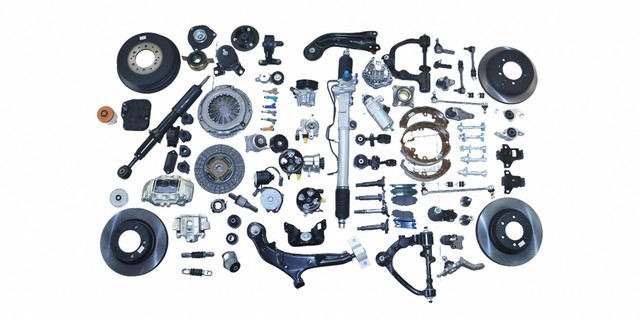
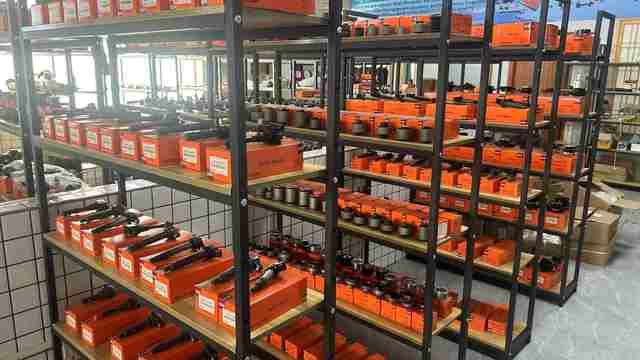

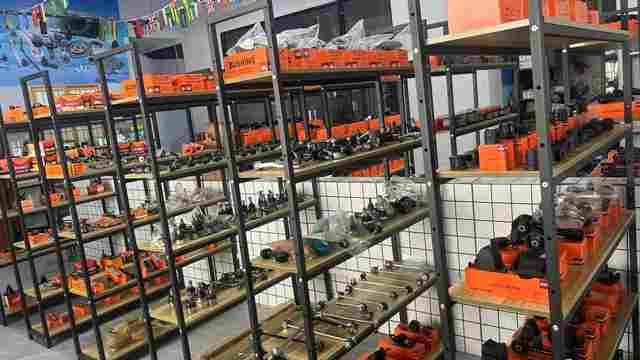
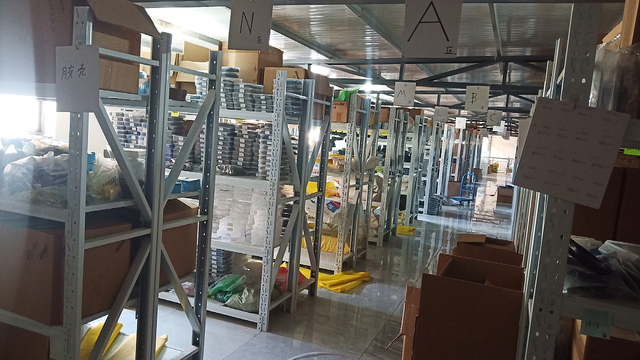
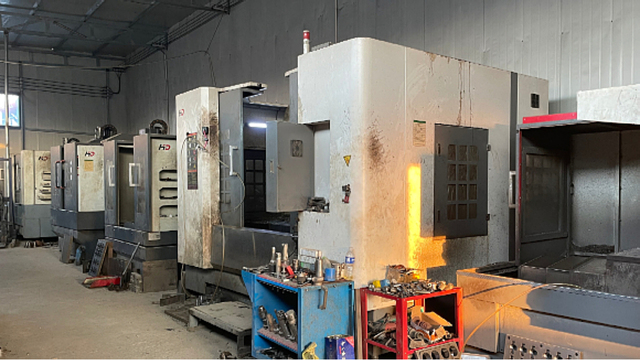
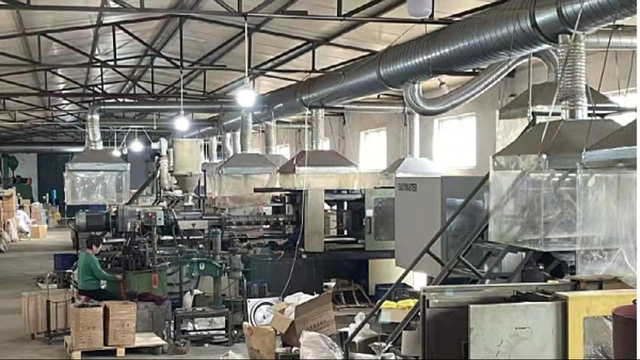

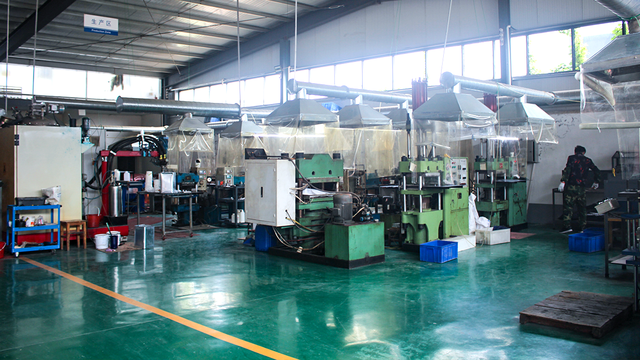
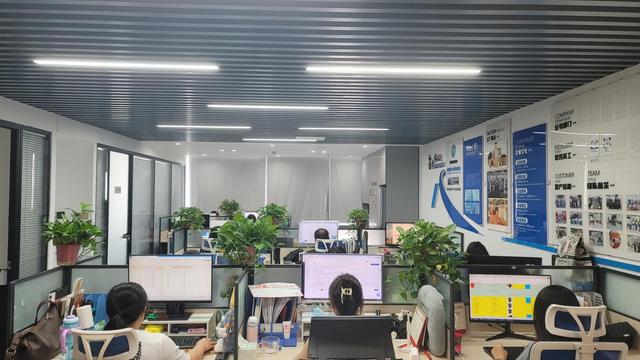
Global procurement teams rarely approve an automotive hose assembly on a sample alone. They evaluate whether the supplier can repeat the same result across batches, document material and process controls, respond to engineering changes, protect delivery continuity and support local compliance. For Novosibirsk importers and distributors, these checks should be adapted to cold-climate performance and mixed-fleet aftermarket complexity.
Evidence of controlled processes, incoming material inspection, in-process checks, end-of-line testing and documented engineering change approval. Buyers should ask how deviations are handled before a shipment leaves the factory.
Pressure hold, burst, impulse, leak, cold-flex, salt-spray, abrasion, ozone or fluid-compatibility testing may be relevant depending on the assembly. The exact plan should match the application and OEM specification.
Batch codes, raw material records, crimp parameters, test status and packaging labels should allow the buyer to trace a finished assembly back to production conditions. This is especially important for brake and steering safety parts.
For Novosibirsk distributors, carton labels, barcodes, private-label artwork, port caps, desiccant where needed and mixed-SKU packing can reduce receiving errors and workshop friction.
Review MOQ logic, production lead time, inspection release, Incoterms, consolidation options and replenishment planning. A low unit price can be offset by urgent air freight, stock-outs or warranty handling costs.
Importers should confirm whether specific products fall under EAEU technical regulations, customs classification requirements or vehicle-safety conformity rules. The supplier should provide accurate technical documentation to support the importer’s review.
Indicative weighting for a Siberian distributor or fleet program. Adjust the scorecard to your own risk model, vehicle criticality and inventory strategy.
The hose assembly market is moving beyond commodity replacement parts. Buyers increasingly expect application engineering, cold-climate validation, supply-chain visibility and documentation that supports both safety-critical and commercial decision-making.
Electric and hybrid vehicles place new emphasis on coolant lines, thermal-management circuits, low-permeation air-conditioning hoses and cleanliness control. Even in a mixed-fleet market such as Novosibirsk, aftermarket demand is gradually diversifying.
Brake and steering systems continue to demand accurate crimp geometry, stable bore dimensions, reliable fitting engagement and validated pressure-impulse performance. “Fits the thread” is not a sufficient quality standard.
Refrigerant, fuel, coolant and hydraulic fluids all interact differently with hose materials. Buyers should specify the fluid, operating temperature, pressure profile and service environment rather than relying only on a product photo.
Siberian duty cycles reward suppliers who can document low-temperature flexibility, salt-spray resistance and vibration durability. A cold-climate product family can become a real differentiator for distributors serving Novosibirsk and nearby industrial regions.
Barcodes, batch records, product images, fitment data and consistent URLs help distributors integrate catalog content into ERP, e-commerce and workshop systems. Clean product data is a commercial asset, not an administrative cost.
Buyers are shifting from one large seasonal order to more frequent mixed-SKU replenishment. China manufacturing plus local kitting, stock planning and reliable documentation can support a more resilient Novosibirsk supply chain.
A hose assembly program becomes commercially useful only when it maps to real applications. The following scenarios show how product selection, packaging and replenishment can be organized around Novosibirsk market demand.
Air brake hoses, power steering assemblies and hydraulic brake lines support daily stop-start duty. Recommended focus: cold flexibility, abrasion protection, fitting durability and workshop-friendly labeling.
SAE J1402 air brake assemblies, reinforced hoses and replacement kits for trailers and tractor units. Buyers should plan mixed-SKU stock for common coupling types and route-severity categories.
High-pressure hydraulic and fluid-transfer lines exposed to mud, vibration and impact. Abrasion sleeves, robust fittings, caps and batch traceability help reduce unplanned downtime.
Seasonal duty cycles, hydraulic circuits, fuel and coolant lines, and outdoor storage create UV, ozone and contamination challenges. Packaging and replacement-kit logic matter as much as the hose itself.
Brake hose references for popular imported models, air-conditioning hoses, power steering lines and flexible rubber assemblies. Private label, fitment notes and product URLs support distributor e-commerce.
PTFE-braided fuel and cooling hoses, stainless steel braided brake lines and custom-length assemblies for UTV, ATV, motorcycle and performance applications. Confirm fluid compatibility and routing before ordering.
Identify the dominant vehicle classes, equipment brands, repair frequency and current quality complaints. Group demand by safety-critical brake/steering parts and less critical fluid-transfer parts.
Separate urban stop-start, long-haul, off-road, mining, agricultural and workshop service cycles. Use this map to define pressure, temperature, abrasion and corrosion requirements.
Review drawings, material options, test plans and installation conditions. For severe winter applications, validate low-temperature flexibility and fitting integrity before broad release.
Set MOQ by SKU, packaging format, label rules and container loading plan. Combine fast-moving references with project-specific assemblies to improve container utilization.
Track installation feedback, warranty returns, reorder velocity and seasonal demand. Feed field data back into engineering and packaging decisions for the next replenishment cycle.
These additional references connect DOT-related brake supply, PTFE-braided fuel and cooling, heavy-truck air brake systems and flexible rubber braided hose programs. Each link remains tied to its original product page for technical follow-up.
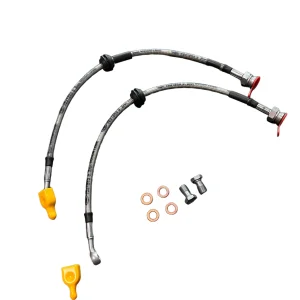
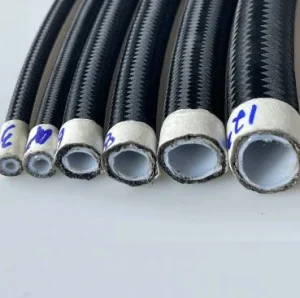
Safety-critical hose assemblies should have a visible control path from quotation to shipment. The process below is designed to make the supplier-buyer interface clearer for OEMs, distributors and fleet maintenance teams.
Confirm vehicle or equipment application, fluid, working pressure, burst requirement, temperature range, fitting type, installation angle and annual volume. Missing data is a common cause of repeated samples.
Select inner tube, reinforcement, cover, fitting material and protective accessories based on the actual environment. For Novosibirsk, cold flexibility and corrosion protection receive early attention.
Define dimensional inspection, pressure hold, leak, burst, impulse, cold-flex, salt-spray or other relevant tests. The buyer should approve the validation matrix before mass production.
Control crimp parameters, assembly cleanliness and fitting torque where applicable. Relevant assemblies undergo end-of-line pressure and leak verification before packing.
Apply batch codes, carton labels and buyer-specific labels. Prepare packing lists, commercial invoices, test reports where applicable and any agreed shipment photos or inspection records.
Coordinate carton strength, pallet pattern, container loading and shipping documents. After arrival, collect installation feedback and warranty information to support continuous improvement.
For distributors and fleet operators, total landed cost and technical fit matter more than a headline FOB price. A disciplined procurement playbook reduces rework, emergency freight, stock-outs and warranty disputes.
Describe how the vehicle or machine operates: city route, highway, mine site, farm, workshop service or performance build. Temperature, vibration, salt exposure and pressure impulses should be specified before selecting a reference.
Ask for material data, low-temperature test evidence and installation limits. Avoid assuming that a standard hose will perform identically at -40°C simply because it passed a room-temperature pressure test.
Include freight, insurance, customs clearance, duties, compliance documentation, warehousing, inventory carrying cost and potential warranty handling. Cheaper units can become expensive if they trigger returns or urgent replacement shipments.
Use fast-moving brake, steering and air-brake references to fill containers, then add project-specific or slow-moving items. Barcode and carton labeling should match receiving and warehouse processes.
Provide workshop guidance on routing, bend radius, bracket orientation, port caps and fluid cleanliness. Many field failures are installation-related, not manufacturing-related.
If dual sourcing is required, keep drawings, test criteria, labeling and acceptance rules consistent. Otherwise, what looks like supply resilience can become inventory confusion and inconsistent field performance.
| Total landed cost factor | Why it matters for Novosibirsk | What to ask the supplier |
|---|---|---|
| FOB price and MOQ | Affects cash flow and warehouse space, especially for slow-moving references | Can MOQ be tiered by SKU, color, label or packaging? |
| Freight, rail and insurance | Multimodal routes can shift cost and lead time by season | What Incoterms are supported, and what packing protects the goods? |
| Customs and conformity documentation | Incomplete documentation can delay clearance or create compliance risk | Which technical files, test reports and origin documents can be provided? |
| Warehousing and inventory carrying cost | Large seasonal orders may reduce freight cost but increase local stock burden | Can replenishment be staged or mixed across fast-moving SKUs? |
| Warranty and after-sales handling | Field failures cost more than the part value when vehicles are out of service | How are complaints, batch tracing and corrective actions managed? |
These answers address common procurement, engineering and logistics questions from Novosibirsk distributors, fleet buyers and industrial operators.
Partix Auto is positioned as an automotive parts manufacturer and integrated solution provider. The company was founded in 2004, is described as a national high-tech company and a state-owned holding listed firm, and has been recognized among the “National Top 100 Automotive Parts Suppliers” since 2006. For export orders, we support documentation, packaging and shipment coordination for international buyers.
Yes. Cold-climate requirements should be stated in the RFQ, including minimum temperature, pressure profile, fluid, installation bend radius and expected service life. The -50°C low-temperature hydraulic brake hose assembly shown on this page is one example of a product that can be reviewed for severe winter applications.
Relevant references include SAE J1401 for hydraulic brake hose assemblies, SAE J1402 for automotive air brake hose assemblies and DOT-related requirements where applicable. The final acceptance criteria must be confirmed against the exact OEM drawing, vehicle application, destination-market rules and buyer validation plan.
Custom length, fitting type, bracket layout, protective sleeve, label content, barcode, private-label packaging and mixed-SKU cartons can be discussed for suitable volumes. Please provide drawings, photos or samples with dimensions so the engineering review is based on the actual installation.
Quality controls are defined according to product risk. For relevant hose assemblies, controls can include incoming material inspection, dimensional checks, crimp parameter control, assembly cleanliness, end-of-line pressure and leak testing, labeling checks and batch traceability. The buyer should approve the inspection and test plan before production.
Shipments can be planned through sea, rail, road or multimodal routes depending on volume, urgency, Incoterms and destination handling. Shandong’s access to Qingdao and surrounding logistics infrastructure supports export consolidation. Buyers should confirm the best route and customs broker with their freight forwarder.
MOQ depends on the SKU, customization level, packaging and material requirements. Standard references may be more flexible, while new fittings, private labels or custom lengths may require a higher minimum. Lead time is confirmed after drawing approval, sample validation and order quantity review. Trial orders and mixed-SKU containers can be discussed.
Yes, private-label and aftermarket packaging can be discussed for appropriate volumes. To avoid delays, provide artwork, barcode rules, carton specifications and market-specific language requirements before production. Product titles and URLs on this page can also support distributor catalog planning.
Specify the minimum operating temperature, test method, exposure duration, pressure condition, bend radius and acceptance criteria. If the vehicle operates in extreme cold, include cold-start and vibration conditions in the validation plan. Do not rely only on a general “winter-resistant” description.
Typical documents include the commercial invoice, packing list, HS code support, certificate of origin where applicable, product drawings, material descriptions and test reports where relevant. Importers should confirm whether EAEU technical regulations or other conformity requirements apply to their specific product and use case; local legal and customs advice is recommended.
This bottom portfolio groups eight additional assemblies for Novosibirsk-oriented stock planning: passenger-car brake replacement, steering service, hydraulic brake lines, stainless braided chassis lines, high-pressure power steering, off-road motorcycle and UTV/ATV brake kits, SAE J1401 front brake references and enhanced stopping-power assemblies. Every product link below is preserved for direct inquiry and technical review.
Send Inquiry Now